
What's inside
What's inside
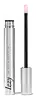 Key Ingredients
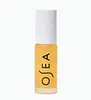
Benefits
Concerns
Ingredients Side-by-side
Helianthus Annuus Seed Oil
Emollient



Ricinus Communis Seed Oil
Masking
Polybutene
Silica
Abrasive


Helianthus Annuus Seed Wax
Skin Conditioning
Diisostearyl Malate
EmollientVanillin
Masking


Mangifera Indica Seed Butter
Skin Conditioning
Phenoxyethanol
Preservative
Mentha Piperita Oil
Masking

Siraitia Grosvenorii Fruit Extract
Skin ConditioningHydrogenated Castor Oil
Emollient
Titanium Dioxide
Cosmetic Colorant

Sodium Hyaluronate
Humectant



CI 15850
Cosmetic ColorantIsopropyl Titanium Triisostearate
Emollient
Helianthus Annuus Seed Oil, Ricinus Communis Seed Oil, Polybutene, Silica, Helianthus Annuus Seed Wax, Diisostearyl Malate, Vanillin, Mangifera Indica Seed Butter, Phenoxyethanol, Mentha Piperita Oil, Siraitia Grosvenorii Fruit Extract, Hydrogenated Castor Oil, Titanium Dioxide, Sodium Hyaluronate, CI 15850, Isopropyl Titanium Triisostearate
Bis-Diglyceryl Polyacyladipate-2
Emollient
Ricinus Communis Seed Oil
Masking
Limnanthes Alba Seed Oil
Skin Conditioning
Glyceryl Rosinate
Perfuming
Helianthus Annuus Seed Oil
Emollient
Polyhydroxystearic Acid
Emulsifying
Capryloyl Glycerin/Sebacic Acid Copolymer
Skin ConditioningSodium Hyaluronate
Humectant
Oryza Sativa Bran Extract
Skin Conditioning
Rosmarinus Officinalis Leaf Extract
AntimicrobialHelianthus Annuus Extract
Emollient
Capsicum Annuum Fruit Extract
Antimicrobial
Dictyopteris Polypodioides Extract
EmollientAscorbyl Palmitate
Antioxidant


Tocopherol
Antioxidant

O-Cymen-5-Ol
Antimicrobial
Lupinus Albus Seed Extract
Skin ConditioningHydrogenated Castor Oil
Emollient
Caprylic/Capric Triglyceride
Masking
Aroma
Limonene
Perfuming
Linalool
Perfuming
Citral
Perfuming
Bis-Diglyceryl Polyacyladipate-2, Ricinus Communis Seed Oil, Limnanthes Alba Seed Oil, Glyceryl Rosinate, Helianthus Annuus Seed Oil, Polyhydroxystearic Acid, Capryloyl Glycerin/Sebacic Acid Copolymer, Sodium Hyaluronate, Oryza Sativa Bran Extract, Rosmarinus Officinalis Leaf Extract, Helianthus Annuus Extract, Capsicum Annuum Fruit Extract, Dictyopteris Polypodioides Extract, Ascorbyl Palmitate, Tocopherol, O-Cymen-5-Ol, Lupinus Albus Seed Extract, Hydrogenated Castor Oil, Caprylic/Capric Triglyceride, Aroma, Limonene, Linalool, Citral
Reviews
Ingredients Explained
These ingredients are found in both products.
Ingredients higher up in an ingredient list are typically present in a larger amount.
Helianthus Annuus Seed Oil is a plant oil derived from the seeds of a sunflower.
It is rich in fatty acids, primarily linoleic acid and oleic acid. This gives it emollient and skin conditioning properties.
The reason this ingredient is so effective is because it forms a thin film on the skin that reduces transepidermal water loss (TEWL) while supplying linoleic acid to the stratum corneum to improve barrier strength.
The high linoleic acid content is particularly noteworthy for acne-prone skin.
Research suggests that acne-prone skin tends to be deficient in linoleic acid in sebum. Topical application may help replenish this to support a healthier follicular environment and less comedone-promoting sebum.
One randomized study found sunflower seed oil preserved skin barrier integrity in adult volunteers with and without atopic dermatitis (outperforming olive oil).
This ingredient is well-studied, gentle, and an effective emollient suitable for most skin types.
On fungal acne: This ingredient may not be Fungal acne (Malassezia folliculitis) safe. This is because it contains fatty acids with carbon chain lengths in the C11-C24 range.
Learn more about Helianthus Annuus Seed OilHydrogenated Castor Oil (aka "castor wax") is what you get when castor oil is turned into a wax.
Its dominant fatty acid is ricinoleic acid, giving it both emollient and mild humectant properties.
According to EU CosIng, this ingredient helps soften skin, keep oil and water stay mixed, and thickens products.
Hydrogenated castor oil at 30% did not trigger a positive patch-test reaction and is well-tolerated.
Since this ingredient is based on an 18-carbon fatty acid, it falls into the chain-length range that Malassezia can feed on and may not be fungal acne safe.
Learn more about Hydrogenated Castor OilThis ingredient is also known as castor oil. It is a skin conditioning ingredient.
The star component of castor oil is ricinoleic acid, an unusual fatty acid that makes up ~80-92% of its composition.
In skincare, it is an emollient that dries down to a solid film with water-binding properties. This helps keep skin hydrated and helps reduce transepidermal water loss (TEWL).
A 2026 dermatology review pulls together its broader uses:
Human clinical testing found this ingredient to be non-irritating and non-sensitizing.
Because castor oil contains fatty acids in the C11-24 range, this ingredient may not be fungal acne safe.
At this time, the literature does not support castor oil in regrowing hair. A 2022 systematic review found no strong evidence that it supports hair growth and only weak evidence that it improves hair shine.
Castor oil itself carries "perfuming" and "masking" function tags according to the official CosIng database. This is because of its mild odor and odor-dampening properties.
Learn more about Ricinus Communis Seed OilSodium Hyaluronate is the salt form of hyaluronic acid. It is a long sugar chain that is naturally found in your skin, joints, and connective tissue that maintains hydration and elasticity.
In skincare, it works as a humectant. It pulls water from the environment and deeper layers of skin and binds it to the surface.
Interestingly, the size of the molecule affects its behavior:
Some clinical evidence links low molecular weight versions to improved wrinkle depth, elasticity, anti-inflammatory effects, and barrier repair.
Many serums use a blend of both weights so you can get surface hydration plus longer-lasting and deeper effects.
You'll typically see concentrations between 0.1-2% for this ingredient.
Learn more about Sodium Hyaluronate

