

What's inside
What's inside
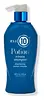 Key Ingredients
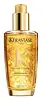
No key ingredients
Benefits
Concerns
Ingredients Side-by-side
Water
Skin ConditioningSodium C14-16 Olefin Sulfonate
Cleansing

Dimethiconol
Emollient
Cocamidopropyl Betaine
Cleansing

Parfum
Masking

Panthenol
Skin Conditioning




Sodium PCA
Humectant
Acrylates Copolymer
Potassium Cocoate
Emulsifying
Guar Hydroxypropyltrimonium Chloride
Skin ConditioningAmodimethicone
Hydroxypropyl Methylcellulose
Emulsion StabilisingCocamide Mea
Emulsifying
Glycol Distearate
Emollient
Crambe Abyssinica Seed Oil Phytosterol Esters
Emulsifying
Ethylhexylglycerin
Skin ConditioningTea-Dodecylbenzenesulfonate
CleansingCellulose Gum
Emulsion StabilisingXanthan Gum
EmulsifyingTetrasodium Glutamate Diacetate
ChelatingCetrimonium Chloride
Antimicrobial
Trideceth-12
EmulsifyingCaprylic/Capric Triglyceride
Masking
Keratin Amino Acids
Skin ConditioningPhyllanthus Emblica Fruit Extract
HumectantBambusa Vulgaris Stem Extract
Rosa Rubiginosa Seed Oil
Emollient
Coffea Arabica Seed Oil
Masking
Sodium Hydroxide
BufferingCitric Acid
Buffering

Phenoxyethanol
Preservative
Benzyl Benzoate
Antimicrobial
Limonene
Perfuming
Hexyl Cinnamal
Perfuming
Linalool
Perfuming
Water, Sodium C14-16 Olefin Sulfonate, Dimethiconol, Cocamidopropyl Betaine, Parfum, Panthenol, Sodium PCA, Acrylates Copolymer, Potassium Cocoate, Guar Hydroxypropyltrimonium Chloride, Amodimethicone, Hydroxypropyl Methylcellulose, Cocamide Mea, Glycol Distearate, Crambe Abyssinica Seed Oil Phytosterol Esters, Ethylhexylglycerin, Tea-Dodecylbenzenesulfonate, Cellulose Gum, Xanthan Gum, Tetrasodium Glutamate Diacetate, Cetrimonium Chloride, Trideceth-12, Caprylic/Capric Triglyceride, Keratin Amino Acids, Phyllanthus Emblica Fruit Extract, Bambusa Vulgaris Stem Extract, Rosa Rubiginosa Seed Oil, Coffea Arabica Seed Oil, Sodium Hydroxide, Citric Acid, Phenoxyethanol, Benzyl Benzoate, Limonene, Hexyl Cinnamal, Linalool
Cyclopentasiloxane
Emollient
Dimethiconol
Emollient
Zea Mays Germ Oil
Emollient
Argania Spinosa Kernel Oil
Emollient

Sclerocarya Birrea Seed Oil
Humectant
Camellia Oleifera Seed Oil
Skin Conditioning
Pentaclethra Macroloba Seed Oil
Emollient
Caprylic/Capric Triglyceride
Masking
Linalool
Perfuming
Alpha-Isomethyl Ionone
Perfuming
Limonene
Perfuming
Coumarin
Perfuming
Benzyl Alcohol
Perfuming
Phyllanthus Emblica Fruit Extract
HumectantTocopherol
Antioxidant


Parfum
Masking
Cyclopentasiloxane, Dimethiconol, Zea Mays Germ Oil, Argania Spinosa Kernel Oil, Sclerocarya Birrea Seed Oil, Camellia Oleifera Seed Oil, Pentaclethra Macroloba Seed Oil, Caprylic/Capric Triglyceride, Linalool, Alpha-Isomethyl Ionone, Limonene, Coumarin, Benzyl Alcohol, Phyllanthus Emblica Fruit Extract, Tocopherol, Parfum
Reviews
Ingredients Explained
These ingredients are found in both products.
Ingredients higher up in an ingredient list are typically present in a larger amount.
Caprylic/Capric Triglyceride (aka MCT Oil) is a lightweight emollient, solvent, and texture enhancer. It is considered a skin-softener by helping to prevent moisture loss.
Though it behaves like an oil, it is not technically one due to its chemical composition. One perk of this ingredient is that it is very stable, resistant to oxidation, and unlikely to go rancid.
In practice, that translates to a long shelf life and a consistently elegant skin feel.
While there is an assumption Caprylic Triglyceride can clog pores due to it being derived from coconut oil, there is no research supporting this. Just patch test if you have concerns.
Fractionated coconut oil and MCT Oil are both listed as Caprylic/Capric Triglyceride according to INCI. This is because INCI names are based on the ingredient’s final chemical composition and not its marketing name or source.
This ingredient is treated as the gold standard fungal acne safe oil. Even though it is coconut derived, the problematic lauric acid is stripped out.
This leaves just caprylic (C8) and capric (C10) acid. These chain lengths actually trend antifungal; a 2020 study found caprylic acid was enough to disrupt Malassezia furfur cell membrane, with a caprylic acid derivative damaging membrane structures at concentrations as low as 0.2%.
Learn more about Caprylic/Capric TriglycerideDimethiconol is a silicone that resembles the popular dimethicone. Like other silicones, it is an emollient. Emollients create a thin film on skin to prevent moisture from escaping.
This ingredient helps to create a silky texture and improve spreadability. Due to its high molecular weight and thickness, it is often combined with cyclopentasiloxane.
Limonene is the compound that gives citrus peel its smell.
In skincare, it shows up as a standalone fragrance ingredient or as a natural compound of citrus and other essential oils.
You'll typically see this ingredient used in very small amounts; anything above 0.001% in a leave-on product or 0.01% in a rinse-off has to be named on the label in the EU. The citrus oils that carry it sit around 0.5-1% in a finished formula.
Fresh limonene is a weak allergen; the real issue is that it slowly reacts with air and then breaks down from oxidation to create hydroperoxides (which are strong sensitizers). This is why suppliers are required to keep the peroxide value below 20 mmol.
Positive reactions in people being investigated for eczema vary:
It's worth skipping if you have a known fragrance allergy or a compromised barrier, but the risk is low for most people.
Older or long-opened products are also more likely to bother you than fresh ones due to oxidation.
Learn more about LimoneneLinalool is a small, naturally occurring scent molecule found in plants like lavender, coriander, bergamot, and more.
It is one of the two most-used fragrance ingredients in cosmetics and added purely for smell. Since it's not used for a skin benefit, there's no "effective dose". Concentration depends on the fragrance load of the product.
The EU requires it to be named on the label above 0.001% in leave-on and 0.01% in rinse-off products.
Fresh linalool is a weak sensitizer but air exposure turns some of it into hydroperoxides, which are strong sensitizers. Those oxidation products are the actual allergy concern.
Patch-test clinics see positive reactions to linalool hydroperoxides in about 4% to 12% of dermatitis patients depending on country and test concentration.
Resassuringly, one analytical study found hydroperoxide levels in real fragranced products to be orders of magnitude below what induced sensitization in animal studies with no evidence of oxidation building up during normal storage.
The practical takeaway is that linalool is fine for most people but worth avoiding if you have a confirmed fragrance contact allergy or a badly compromised barrier.
Products stored a long time after opening are also the high-risk scenario since that is when oxidation happens.
The scent of linalool is described as floral, spicy tropical, and citrus-like.
Learn more about LinaloolParfum is a catch-all term for an ingredient or more that is used to give a scent to products.
Also called "fragrance", this ingredient can be a blend of hundreds of chemicals or plant oils. This means every product with "fragrance" or "parfum" in the ingredients list is a different mixture.
For instance, Habanolide is a proprietary trade name for a specific aroma chemical. When used as a fragrance ingredient in cosmetics, most aroma chemicals fall under the broad labeling category of “FRAGRANCE” or “PARFUM” according to EU and US regulations.
The term 'parfum' or 'fragrance' is not regulated in many countries. In many cases, it is up to the brand to define this term.
For instance, many brands choose to label themselves as "fragrance-free" because they are not using synthetic fragrances. However, their products may still contain ingredients such as essential oils that are considered a fragrance by INCI standards.
One example is Calendula flower extract. Calendula is an essential oil that still imparts a scent or 'fragrance'.
Depending on the blend, the ingredients in the mixture can cause allergies and sensitivities on the skin. Some ingredients that are known EU allergens include linalool and citronellol.
Parfum can also be used to mask or cover an unpleasant scent.
The bottom line is: not all fragrances/parfum/ingredients are created equally. If you are worried about fragrances, we recommend taking a closer look at an ingredient. And of course, we always recommend speaking with a professional.
Learn more about ParfumThis ingredient is also known as Indian Gooseberry or Amla Berry. It is skin hydrating and antioxidant rich.
Indian gooseberry is rich in antioxidants such as polyphenols, tannins, and vitamin C compounds.


