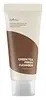
This mild gel cleanser is made to cleanse while calming and soothing your skin.
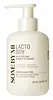
This mild foaming cleanser is made to cleanse while respecting your skin barrier.

What's inside
What's inside
 Key Ingredients
Benefits
Concerns
No concerns
Ingredients Side-by-side
Water
Skin ConditioningGlycerin
Humectant


Sodium Cocoyl Alaninate
Surfactant
Disodium Cocoamphodiacetate
CleansingButylene Glycol
Humectant
Sodium Methyl Cocoyl Taurate
Cleansing
1,2-Hexanediol
Skin Conditioning
Lauryl Hydroxysultaine
CleansingXanthan Gum
EmulsifyingSodium Chloride
MaskingCaprylyl Glycol
Emollient
Acrylates/C10-30 Alkyl Acrylate Crosspolymer
Emulsion StabilisingCamellia Sinensis Leaf Powder
Camellia Sinensis Leaf
Perfuming




Camellia Sinensis Leaf Extract
Antimicrobial


Sodium Phytate
ChelatingMalt Extract
Skin ProtectingHexylene Glycol
EmulsifyingOenothera Biennis Flower Extract
AstringentPinus Palustris Leaf Extract
TonicPueraria Thunbergiana Root Extract
Skin ConditioningUlmus Davidiana Root Extract
Skin Conditioning
Ethylhexylglycerin
Skin ConditioningHydrolyzed Glycosaminoglycans
HumectantPropanediol
Solvent
Sodium Hyaluronate Crosspolymer
Humectant
Sodium Hyaluronate
Humectant
Benzyl Glycol
SolventHydrolyzed Hyaluronic Acid
Humectant
Hyaluronic Acid
Humectant
Water, Glycerin, Sodium Cocoyl Alaninate, Disodium Cocoamphodiacetate, Butylene Glycol, Sodium Methyl Cocoyl Taurate, 1,2-Hexanediol, Lauryl Hydroxysultaine, Xanthan Gum, Sodium Chloride, Caprylyl Glycol, Acrylates/C10-30 Alkyl Acrylate Crosspolymer, Camellia Sinensis Leaf Powder, Camellia Sinensis Leaf, Camellia Sinensis Leaf Extract, Sodium Phytate, Malt Extract, Hexylene Glycol, Oenothera Biennis Flower Extract, Pinus Palustris Leaf Extract, Pueraria Thunbergiana Root Extract, Ulmus Davidiana Root Extract, Ethylhexylglycerin, Hydrolyzed Glycosaminoglycans, Propanediol, Sodium Hyaluronate Crosspolymer, Sodium Hyaluronate, Benzyl Glycol, Hydrolyzed Hyaluronic Acid, Hyaluronic Acid
Water
Skin ConditioningTromethamine
BufferingButylene Glycol
Humectant
Polyquaternium-67
Ethylhexyl Palmitate
Emollient




Hexylene Glycol
EmulsifyingGlucose
Humectant
Xanthan Gum
EmulsifyingCetyl Ethylhexanoate
EmollientAcrylates/C10-30 Alkyl Acrylate Crosspolymer
Emulsion StabilisingPropanediol
Solvent
Polyglyceryl-10 Oleate
Skin Conditioning
1,2-Hexanediol
Skin Conditioning
Urea
Buffering

Saccharide Hydrolysate
HumectantHydrogenated Lecithin
Emulsifying
Sodium Acetate
BufferingCynanchum Atratum Extract
Skin ConditioningSerine
Masking
Glutamic Acid
Humectant
Aspartic Acid
Masking
Water, Tromethamine, Butylene Glycol, Polyquaternium-67, Ethylhexyl Palmitate, Hexylene Glycol, Glucose, Xanthan Gum, Cetyl Ethylhexanoate, Acrylates/C10-30 Alkyl Acrylate Crosspolymer, Propanediol, Polyglyceryl-10 Oleate, 1,2-Hexanediol, Urea, Saccharide Hydrolysate, Hydrogenated Lecithin, Sodium Acetate, Cynanchum Atratum Extract, Serine, Glutamic Acid, Aspartic Acid
Reviews
Ingredients Explained
These ingredients are found in both products.
Ingredients higher up in an ingredient list are typically present in a larger amount.
1,2-Hexanediol is a synthetic liquid and another multi-functional powerhouse.
It is a:
- Humectant, drawing moisture into the skin
- Emollient, helping to soften skin
- Solvent, dispersing and stabilizing formulas
- Preservative booster, enhancing the antimicrobial activity of other preservatives
Acrylates/C10-30 Alkyl Acrylate Crosspolymer is a synthetic polymer. It is used to thicken, emulsify, and improve the texture of products.
As an emulsifier, it helps stabilize oil-in-water emulsions to give products an elegant feel when applied.
It can also form a thin protective film on skin. One study found that a formula using this polymer helped slow down how quickly other ingredients (like DEET) were absorbed through skin.
A 2024 study of over 1,300 patients confirmed that sensitization to this ingredient is rare. It is also non-mutagenic and has a clean track record.
Learn more about Acrylates/C10-30 Alkyl Acrylate CrosspolymerButylene Glycol (or BG) is used within cosmetic products for a few different reasons:
Overall, Butylene Glycol is a safe and well-rounded ingredient that works well with other ingredients.
Though this ingredient works well with most skin types, some people with sensitive skin may experience a reaction such as allergic rashes, closed comedones, or itchiness.
Learn more about Butylene GlycolHexylene Glycol is a multitasker ingredient that works as a solvent, humectant, emulsifier, viscosity reducer, and preservative booster.
It is able to dissolve both water and oil-soluble ingredients to stabilize tricky actives and make products spread more easily.
As a humectant, it pulls water into the skin. But it's a pretty minor moisturizing ingredient compared to other humectants, like glycerin.
Interestingly, it can act as a mild penetration enhancer. One in vitro study on human skin found a 12% concentration upped the absorption of mometasone furoate (a medicinal ingredient used to treat inflammatory skin conditions) up to 7%.
This ingredient is typically used at levels of 0.1-10% depending on the role it's playing.
A patch test study on eczema patients didn't find a significant increase in irritation versus the control group, but the potential for irritation rises at higher concentrations.
Learn more about Hexylene GlycolPropanediol is an all-star ingredient. It softens, hydrates, and smooths the skin.
It’s often used to:
Propanediol is not likely to cause sensitivity and considered safe to use. It is derived from corn or petroleum with a clear color and no scent.
Learn more about PropanediolWater. It's the most common cosmetic ingredient of all. You'll usually see it at the top of ingredient lists, meaning that it makes up the largest part of the product.
So why is it so popular? Water most often acts as a solvent - this means that it helps dissolve other ingredients into the formulation.
You'll also recognize water as that liquid we all need to stay alive. If you see this, drink a glass of water. Remember to stay hydrated!
Learn more about WaterXanthan gum is used as a stabilizer and thickener within cosmetic products. It helps give products a sticky, thick feeling - preventing them from being too runny.
On the technical side of things, xanthan gum is a polysaccharide - a combination consisting of multiple sugar molecules bonded together.
Xanthan gum is a pretty common and great ingredient. It is a natural, non-toxic, non-irritating ingredient that is also commonly used in food products.
Learn more about Xanthan Gum

