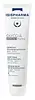
This smoothing night moisturizer is formulated around Glycolic Acid and Mandelic Acid to refine skin texture and brighten dull-looking skin.
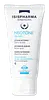
This brightening serum is formulated around Glycolic Acid and Niacinamide to fade the look of dark spots and refine skin texture.

What's inside
What's inside
 Key Ingredients
Benefits
Concerns
Ingredients Side-by-side
Water
Skin ConditioningGlycolic Acid
Buffering











Glyceryl Stearate
Emollient
Isodecyl Neopentanoate
EmollientDimethicone
Emollient
Mandelic Acid
Antimicrobial
PEG-100 Stearate
Surfactant
Magnesium Aluminum Silicate
Absorbent
Ceteareth-20
Cleansing

Gluconolactone
Chelating
Ammonia
Buffering
Glycerin
Humectant

Sorbitan Stearate
Emulsifying
Sodium Hydroxide
BufferingJojoba Esters
Emollient
Helianthus Annuus Seed Wax
Skin Conditioning
Sclerotium Gum
Emulsion StabilisingXanthan Gum
EmulsifyingAcacia Decurrens Flower Wax
Emollient
Polyglycerin-3
Humectant
Water, Glycolic Acid, Glyceryl Stearate, Isodecyl Neopentanoate, Dimethicone, Mandelic Acid, PEG-100 Stearate, Magnesium Aluminum Silicate, Ceteareth-20, Gluconolactone, Ammonia, Glycerin, Sorbitan Stearate, Sodium Hydroxide, Jojoba Esters, Helianthus Annuus Seed Wax, Sclerotium Gum, Xanthan Gum, Acacia Decurrens Flower Wax, Polyglycerin-3
Water
Skin ConditioningDimethicone
Emollient
Glycolic Acid
Buffering
Caprylic/Capric Triglyceride
Masking
Alcohol Denat.
Antimicrobial

Glycerin
Humectant
Isopentyldiol
Humectant
Niacinamide
Smoothing


Sodium Hydroxide
BufferingPolyacrylate Crosspolymer-6
Emulsion Stabilising1,2-Hexanediol
Skin Conditioning
Bentonite
Absorbent
Hydroxyethyl Acrylate/Sodium Acryloyldimethyl Taurate Copolymer
Emulsion StabilisingHydroxyethylcellulose
Emulsion StabilisingSalicylic Acid
Masking

Dimethicone/Vinyl Dimethicone Crosspolymer
Skin Conditioning
Parfum
Masking

Chlorphenesin
Antimicrobial
Beta-Glucan
Skin Conditioning
Algin
MaskingCitric Acid
Buffering
Xanthan Gum
EmulsifyingBenzoic Acid
Masking
Polysorbate 60
Emulsifying
Sorbic Acid
Preservative
Sorbitan Isostearate
Emulsifying
T-Butyl Alcohol
Perfuming
Disodium Phosphate
BufferingHydrated Silica
Abrasive
Sodium Phosphate
BufferingGlycyrrhiza Glabra Root Extract
Bleaching
Trimethoxybenzyl Acetylsinapate
BleachingDiacetyl Boldine
Skin Conditioning
Water, Dimethicone, Glycolic Acid, Caprylic/Capric Triglyceride, Alcohol Denat., Glycerin, Isopentyldiol, Niacinamide, Sodium Hydroxide, Polyacrylate Crosspolymer-6, 1,2-Hexanediol, Bentonite, Hydroxyethyl Acrylate/Sodium Acryloyldimethyl Taurate Copolymer, Hydroxyethylcellulose, Salicylic Acid, Dimethicone/Vinyl Dimethicone Crosspolymer, Parfum, Chlorphenesin, Beta-Glucan, Algin, Citric Acid, Xanthan Gum, Benzoic Acid, Polysorbate 60, Sorbic Acid, Sorbitan Isostearate, T-Butyl Alcohol, Disodium Phosphate, Hydrated Silica, Sodium Phosphate, Glycyrrhiza Glabra Root Extract, Trimethoxybenzyl Acetylsinapate, Diacetyl Boldine
Ingredients Explained
These ingredients are found in both products.
Ingredients higher up in an ingredient list are typically present in a larger amount.
Dimethicone is a type of synthetic silicone created from natural materials such as quartz. It is also known as polydimethylsiloxane.
What it does:
Dimethicone comes in different viscosities:
Depending on the viscosity, dimethicone has different properties.
Ingredients lists don't always show which type is used, so we recommend reaching out to the brand if you have questions about the viscosity.
This ingredient is unlikely to cause irritation because it does not get absorbed into skin. However, people with silicone allergies should be careful about using this ingredient.
Note: Dimethicone may contribute to pilling. This is because it is not oil or water soluble, so pilling may occur when layered with products. When mixed with heavy oils in a formula, the outcome is also quite greasy.
Learn more about DimethiconeGlycerin (or glycerol) is a compound naturally found in your skin. It's a powerhouse humectant that pulls water into the stratum corneum.
Topically, glycerin does several things at once:
Your skin makes glycerin on its own (mostly from sebaceous oil breakdown) and shuttles it to your outermost layer of skin, or your epidermis, via aquaporin-3.
Aquaporin-3 is a transporter that is essential for normal skin hydration, elasticity, and repair. Interestingly, mice lacking in AQP3 have dry and less elastic skin that can be fully corrected with glycerin.
This ingredient is non-irritating, plays well with almost every ingredient, and works across all skin types. Typical use is anywhere between 3-10% but can go up to 79% in some leave-on products.
Just know very high concentrations (>40%) can feel tacky in low humidity.
Glycerin is the name for this ingredient in American English. British English uses Glycerol/Glycerine.
Learn more about GlycerinGlycolic Acid is arguably the most famous alpha hydroxy acid (AHA) with tons of research backing its benefits.
It is found naturally in sugar cane but the form used in skincare is usually synthetic for purity and stability.
Glycolic acid removes the top layer of dead skin cells to allow newer and fresher ones to emerge.
AHAs work by breaking down the structural “glue” that holds old skin cells in place. When that buildup is gone, your skin can renew itself more efficiently.
Research also shows glycolic acid stimulates collagen production, helping to firm and thicken the skin over time. This is one of its biggest advantages over other AHAs.
Overall, glycolic acid helps with:
Fun fact: Glycolic acid boosts skin hydration by helping it produce molecules that increase hyaluronic acid naturally.
To work best, glycolic acid products should have a pH between 3-4 (that’s where exfoliation is most effective but still gentle on skin).
The pH and concentration of a product are key to its effectiveness:
It is normal to feel a slight stinging sensation when using glycolic acid. This usually fades as your skin adjusts.
Because glycolic acid has the smallest molecular size in the AHA family, it can penetrate deeper, which enhances its effectiveness but also makes it more likely to irritate sensitive skin.
If your skin is very sensitive or prone to rosacea, glycolic acid may be too strong; in that case, try milder options like lactic acid or a PHA instead.
Recent studies suggest glycolic acid might even help protect against UV damage. But don’t skip sunscreen! Freshly exfoliated skin is more sensitive to the sun.
Glycolic acid is a skincare superstar. It smooths, brightens, hydrates, and firms the skin. Unless you’re highly sensitive, it’s well worth adding to your routine.
Read more about some other popular AHA's here:
Learn more about Glycolic AcidSodium Hydroxide is also known as lye or caustic soda. It is used to adjust the pH of products; many ingredients require a specific pH to be effective.
In small amounts, sodium hydroxide is considered safe to use. However, large amounts may cause chemical burns due to its high alkaline.
Your skin has a natural pH and acid mantle. This acid mantle helps prevent harmful bacteria from breaking through. The acid mantle also helps keep your skin hydrated.
"Alkaline" refers to a high pH level. A low pH level would be considered acidic.
Learn more about Sodium HydroxideWater. It's the most common cosmetic ingredient of all. You'll usually see it at the top of ingredient lists, meaning that it makes up the largest part of the product.
So why is it so popular? Water most often acts as a solvent - this means that it helps dissolve other ingredients into the formulation.
You'll also recognize water as that liquid we all need to stay alive. If you see this, drink a glass of water. Remember to stay hydrated!
Learn more about WaterXanthan gum is used as a stabilizer and thickener within cosmetic products. It helps give products a sticky, thick feeling - preventing them from being too runny.
On the technical side of things, xanthan gum is a polysaccharide - a combination consisting of multiple sugar molecules bonded together.
Xanthan gum is a pretty common and great ingredient. It is a natural, non-toxic, non-irritating ingredient that is also commonly used in food products.
Learn more about Xanthan Gum

