

What's inside
What's inside
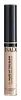 Key Ingredients
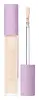
No key ingredients
Benefits
Concerns
Ingredients Side-by-side
Water
Skin ConditioningSqualane
Emollient


Hydrogenated Polydecene
EmollientPropanediol
Solvent
Glycerin
Humectant
Hydrogenated Didecene
Skin ConditioningPolyglyceryl-4 Isostearate
Emulsifying

Methylpropanediol
SolventDisteardimonium Hectorite
StabilisingMagnesium Sulfate
Propylene Carbonate
SolventCaprylyl Glycol
Emollient
Potassium Sorbate
Preservative
Sodium Dehydroacetate
Preservative
Evodia Rutaecarpa Fruit Extract
Skin ConditioningAluminum Hydroxide
EmollientPhenylpropanol
Masking

Sodium Lauroyl Glutamate
SurfactantLysine
Skin ConditioningMagnesium Chloride
CI 77891
Cosmetic ColorantCI 77492
Cosmetic ColorantCI 77163
Cosmetic Colorant

CI 77491
Cosmetic ColorantCI 77499
Cosmetic ColorantWater, Squalane, Hydrogenated Polydecene, Propanediol, Glycerin, Hydrogenated Didecene, Polyglyceryl-4 Isostearate, Methylpropanediol, Disteardimonium Hectorite, Magnesium Sulfate, Propylene Carbonate, Caprylyl Glycol, Potassium Sorbate, Sodium Dehydroacetate, Evodia Rutaecarpa Fruit Extract, Aluminum Hydroxide, Phenylpropanol, Sodium Lauroyl Glutamate, Lysine, Magnesium Chloride, CI 77891, CI 77492, CI 77163, CI 77491, CI 77499
Water
Skin ConditioningHydrogenated Polyisobutene
EmollientIsononyl Isononanoate
EmollientPropanediol
Solvent
Glycerin
Humectant
Polyglyceryl-3 Polyricinoleate
Emulsifying
Polyglyceryl-3 Diisostearate
Emulsifying
Disteardimonium Hectorite
StabilisingSorbitan Isostearate
Emulsifying
Magnesium Sulfate
Sodium Dehydroacetate
Preservative
Caprylyl Glycol
Emollient
1,2-Hexanediol
Skin Conditioning
Magnesium Stearate
Cosmetic ColorantTocopheryl Acetate
Antioxidant


Sodium Lauroyl Glutamate
SurfactantLysine
Skin ConditioningMagnesium Chloride
Sodium Hyaluronate
Humectant

Cassia Angustifolia Seed Polysaccharide
Skin ConditioningCentella Asiatica Extract
Cleansing

Lactobacillus Ferment Lysate
Skin Conditioning
Camellia Sinensis Leaf Extract
Antimicrobial

Punica Granatum Bark/Fruit Extract
AntimicrobialLactobacillus Ferment
Skin Conditioning
Caffeine
Skin Conditioning
CI 77002
Cosmetic ColorantCI 77891
Cosmetic ColorantIron Oxides
Water, Hydrogenated Polyisobutene, Isononyl Isononanoate, Propanediol, Glycerin, Polyglyceryl-3 Polyricinoleate, Polyglyceryl-3 Diisostearate, Disteardimonium Hectorite, Sorbitan Isostearate, Magnesium Sulfate, Sodium Dehydroacetate, Caprylyl Glycol, 1,2-Hexanediol, Magnesium Stearate, Tocopheryl Acetate, Sodium Lauroyl Glutamate, Lysine, Magnesium Chloride, Sodium Hyaluronate, Cassia Angustifolia Seed Polysaccharide, Centella Asiatica Extract, Lactobacillus Ferment Lysate, Camellia Sinensis Leaf Extract, Punica Granatum Bark/Fruit Extract, Lactobacillus Ferment, Caffeine, CI 77002, CI 77891, Iron Oxides
Reviews
Ingredients Explained
These ingredients are found in both products.
Ingredients higher up in an ingredient list are typically present in a larger amount.
Caprylyl Glycol is a humectant, skin conditioner, emollient, and preservative booster derived from either caprylic acid or synthetically created.
Typical use levels vary from 0.3-1% as a preservative booster and go up to 2% to condition skin.
Because it is not a free-fatty acid, this ingredient is fungal acne safe (there's nothing for Malassezia to feed on).
Learn more about Caprylyl GlycolCi 77891 is a white pigment from Titanium dioxide. It is naturally found in minerals such as rutile and ilmenite.
It's main function is to add a white color to cosmetics. It can also be mixed with other colors to create different shades.
Ci 77891 is commonly found in sunscreens due to its ability to block UV rays.
Learn more about CI 77891Disteardimonium Hectorite comes from the clay mineral named hectorite. It is used to add thickness to a product.
It can also help stabilize a product by helping to disperse other ingredients.
Hectorite is a rare, white clay mineral.
Learn more about Disteardimonium HectoriteGlycerin (or glycerol) is a compound naturally found in your skin. It's a powerhouse humectant that pulls water into the stratum corneum.
Topically, glycerin does several things at once:
Your skin makes glycerin on its own (mostly from sebaceous oil breakdown) and shuttles it to your outermost layer of skin, or your epidermis, via aquaporin-3.
Aquaporin-3 is a transporter that is essential for normal skin hydration, elasticity, and repair. Interestingly, mice lacking in AQP3 have dry and less elastic skin that can be fully corrected with glycerin.
This ingredient is non-irritating, plays well with almost every ingredient, and works across all skin types. Typical use is anywhere between 3-10% but can go up to 79% in some leave-on products.
Just know very high concentrations (>40%) can feel tacky in low humidity.
Glycerin is the name for this ingredient in American English. British English uses Glycerol/Glycerine.
Learn more about GlycerinLysine is an essential amino acid (your body cannot make it on its own). It has skin conditioning properties and one of the key players in collagen synthesis.
When your body creates collagen, lysine is basically the glue that holds everything together. It helps collagen fibers lock into each other and stay strong, with vitamin C being its trusty sidekick. Without enough lysine, this glue gets flimsy and less firm, resulting in less bouncy skin.
In skincare, lysine is mostly there to help keep your skin moisturized. It carries water through your skin's layers so everything stays plump.
So will putting lysine on your face create bouncier skin?
It's hard to say; most of the exciting collagen research on lysine comes from oral supplements or lab studies on mice. Further research is needed to truly understand what role topical lysine plays in skincare and your skin.
However, there's no harm in adding lysine to your routine as a supportive and hydrating ingredient.
Learn more about LysineMagnesium chloride is a mineral salt made from magnesium and chloride. It is mainly used to control product stability and texture in cosmetics.
This ingredient can also play a role in soothing the skin and supporting normal skin function.
Magnesium chloride is water-soluble, generally well tolerated, and does not act as a strong “active” ingredient on its own.
Learn more about Magnesium ChlorideMagnesium Sulfate is a salt. More specifically, it is an epsom salt, or the bath salt used to help relieve muscle aches.
Despite having ‘sulfate’ in the name, it isn’t a surfactant or cleansing agent like sodium lauryl sulfate. Unlike those sulfates, magnesium sulfate doesn’t have the same cleansing or foaming properties (it's simply a type of salt).
In cosmetics, Magnesium Sulfate is used to thicken a product or help dilute other solids. It is a non-reactive and non-irritating ingredient.
One study shows magnesium deficiency may lead to inflammation of the skin. Applying magnesium topically may help reduce inflammation.
You can find this ingredient in sea water or mineral deposits.
Learn more about Magnesium SulfatePropanediol is an all-star ingredient. It softens, hydrates, and smooths the skin.
It’s often used to:
Propanediol is not likely to cause sensitivity and considered safe to use. It is derived from corn or petroleum with a clear color and no scent.
Learn more about PropanediolSodium Dehydroacetate is a synthetic preservative and sodium salt form of dehydroacetic acid. It stops bacteria, mold, and yeast from growing in your products at low concentrations.
Clinical testing found it to be non-irritating, non-sensitizing, and non-photosensitizing. It's also not significantly absorbed through skin.
There are a very small number of reported cases of contact dermatitis in cases linked to wound-care creams used over compromised skin (rather than skincare).
Overall, this is a well-studied and low-risk preservative just doing its job.
Typical concentrations run up to 0.6%, which is also the maximum amount permitted under both EU CosIng regulations and US FDA guidelines.
Learn more about Sodium DehydroacetateSodium Lauroyl Glutamate is an amino-acid based mild surfactant that is used in formulas as a primary or secondary cleansing agent. This means it helps lift away oil, dirt, and makeup.
You'll see this ingredient in facial cleansers, shampoos, and even toothpaste because it foams reasonably well while being much gentler than harsher surfactants like SLS.
A study comparing surfactant mixtures found that Sodium Lauroyl Glutamate caused visibly less disruption to skin lipid structure and less irritation than SLS when tested on human subjects; this correlated with the data from in vivo results as well.
The Tenside, Surfactants, Detergents cosmetics industry journal has also concluded that amino acid based surfactants are generally milder than their corresponding alkyl sulfate counterparts. They also stated glutamates in particular are considered one of the gentler options in the category.
The Cosmetic Ingredient Review (CIR) Expert Panel has reviewed dermal irritation and sensitization data for this ingredient at the highest reported use concentration and concluded it to be safe in present practices.
Typical use concentrations tend to run low (generally less than 10%) though the CIR's review noted the highest reported use concentration was 40% as a raw material blend (and not a diluted finished cosmetic product).
Learn more about Sodium Lauroyl GlutamateWater. It's the most common cosmetic ingredient of all. You'll usually see it at the top of ingredient lists, meaning that it makes up the largest part of the product.
So why is it so popular? Water most often acts as a solvent - this means that it helps dissolve other ingredients into the formulation.
You'll also recognize water as that liquid we all need to stay alive. If you see this, drink a glass of water. Remember to stay hydrated!
Learn more about Water

