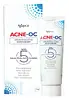
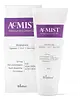
Ipca Acne-Oc Sebum Regulating Moisturizer Versus Brinton Pharmaceuticals Ltd. Acmist Moisturizing Cream Gel
This oil-control moisturizer is formulated around Zingiber Officinale Root Extract and Zinc PCA to balance excess oil and clear breakouts.

What's inside
What's inside
 Key Ingredients
Benefits
Concerns
Ingredients Side-by-side
Water
Skin ConditioningBetaine
Humectant


Caprylic/Capric Triglyceride
Masking
Pistacia Lentiscus Gum
MaskingLecithin
Emollient
Glycerin
Humectant
Alcohol
Antimicrobial




Butylene Glycol
Humectant
Cinnamomum Cassia Bark Extract
Masking
Zingiber Officinale Root Extract
Masking
Sanguisorba Officinalis Root Extract
CleansingSodium Acrylates Copolymer
Propanediol
Solvent
Tapioca Starch
Polymethylsilsesquioxane

Hydrogenated Polyisobutene
EmollientPhospholipids
Skin Conditioning
Polyglyceryl-10 Stearate
Skin Conditioning
Helianthus Annuus Seed Oil
Emollient
Butyrospermum Parkii Butter
Skin Conditioning

Zinc PCA
Humectant




Phenoxyethanol
Preservative
Retinyl Palmitate
Skin Conditioning


Disodium EDTA
Parfum
Masking

Water, Betaine, Caprylic/Capric Triglyceride, Pistacia Lentiscus Gum, Lecithin, Glycerin, Alcohol, Butylene Glycol, Cinnamomum Cassia Bark Extract, Zingiber Officinale Root Extract, Sanguisorba Officinalis Root Extract, Sodium Acrylates Copolymer, Propanediol, Tapioca Starch, Polymethylsilsesquioxane, Hydrogenated Polyisobutene, Phospholipids, Polyglyceryl-10 Stearate, Helianthus Annuus Seed Oil, Butyrospermum Parkii Butter, Zinc PCA, Phenoxyethanol, Retinyl Palmitate, Disodium EDTA, Parfum
Squalane
Emollient
Trehalose
Humectant
Tocopheryl Acetate
Antioxidant

Aloe Barbadensis Leaf Extract
Emollient
Propanediol
Solvent
C12-15 Alkyl Benzoate
AntimicrobialOctyldodecyl Myristate
EmollientAcrylamide/Sodium Acrylate Copolymer
PEG-100 Stearate
Surfactant
Behenyl Alcohol
Emollient
Neopentyl Glycol Diheptanoate
EmollientBetaine
Humectant
Bisabolol
Antioxidant
Phenoxyethanol
Preservative
Ethylhexylglycerin
Skin Conditioning
Reviews
Ingredients Explained
These ingredients are found in both products.
Ingredients higher up in an ingredient list are typically present in a larger amount.
Betaine is a humectant. Like hyaluronic acid, it helps attract and retain moisture in the skin. It’s known for being gentle and for helping the skin maintain balanced hydration.
Betaine is mainly used to improve hydration and support calmer skin. It helps skin cells regulate water balance because it functions as an osmolyte.
Some studies suggest betaine may support making skin tone more even.
Fun fact: Betaine naturally exists in the skin and the body. In cosmetic products, it can be either plant-derived (most commonly from sugar beets) or synthetically produced for consistency and stability.
Betaine is also known as trimethylglycine.
Learn more about BetainePhenoxyethanol is one of the most widely used preservatives in skincare (and for good reason!).
It has a large spectrum of antimicrobial activity and especially effective bacteria, yeast, and mold while only having a weak effect on your skin's natural microbiome.
On a cellular level, it disrupts the cell membranes of microbes by poking holes that make the cell leak. This shuts down the chemical reactions the microbe needs to make energy so it can no longer survive.
Another perk of this ingredient is that it stays functional across a wide pH range (3-10).
You'll often see it paired with boosters like Ethylhexylglycerin; one study showed that a 1:9 ratio of Ethylhexylglycerin to Phenoxyethanol damages bacterial membranes as effectively as doubling the Phenoxyethanol concentration on its own.
Typical use concentrations range from 0.3-1% depending on the formula, and this ingredient is capped at 1% int the EU.
Safety-wise, the fear mongering does not hold up to the evidence. The EU's Scientific Committee on Consumer Safety and FDA consider it safe as a preservative at up to 1%, including for children of all ages.
Adverse systemic effects only showed up in animal studies at exposures roughly 200x higher than what people get from cosmetics. And despite its very widespread use, this ingredient is a rare sensitizer and allergic reactions are uncommon.
Learn more about PhenoxyethanolPropanediol is an all-star ingredient. It softens, hydrates, and smooths the skin.
It’s often used to:
Propanediol is not likely to cause sensitivity and considered safe to use. It is derived from corn or petroleum with a clear color and no scent.
Learn more about Propanediol

