
What's inside
What's inside
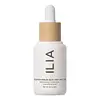 Key Ingredients
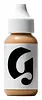
Benefits
Concerns
Ingredients Side-by-side
Zinc Oxide 12%
Cosmetic Colorant


Water
Skin ConditioningSqualane
Emollient


Shea Butter Ethyl Esters
Emollient

Isoamyl Laurate
Emollient
Polyglyceryl-3 Ricinoleate
Emulsifying
Butyloctyl Salicylate
Skin Conditioning
Propanediol
Solvent
Isopropyl Isostearate
Emollient


Polyglyceryl-3 Diisostearate
Emulsifying
Methylpropanediol
SolventNiacinamide
Smoothing








Sodium Chloride
MaskingLecithin
Emollient
Caprylyl Glycol
Emollient
Silica
Abrasive
Aloe Barbadensis Leaf Juice Powder
Skin Conditioning
Bisabolol
Antioxidant
Hydrolyzed Sodium Hyaluronate
Skin Conditioning
Allantoin
Skin Conditioning
Phenylpropanol
Masking

Sodium Myristoyl Glutamate
CleansingSodium Hyaluronate
Humectant
Tetrasodium Glutamate Diacetate
ChelatingAluminum Hydroxide
EmollientPolyhydroxystearic Acid
Emulsifying
CI 77491
Cosmetic ColorantCI 77492
Cosmetic ColorantCI 77499
Cosmetic ColorantCI 77891
Cosmetic ColorantZinc Oxide 12%, Water, Squalane, Shea Butter Ethyl Esters, Isoamyl Laurate, Polyglyceryl-3 Ricinoleate, Butyloctyl Salicylate, Propanediol, Isopropyl Isostearate, Polyglyceryl-3 Diisostearate, Methylpropanediol, Niacinamide, Sodium Chloride, Lecithin, Caprylyl Glycol, Silica, Aloe Barbadensis Leaf Juice Powder, Bisabolol, Hydrolyzed Sodium Hyaluronate, Allantoin, Phenylpropanol, Sodium Myristoyl Glutamate, Sodium Hyaluronate, Tetrasodium Glutamate Diacetate, Aluminum Hydroxide, Polyhydroxystearic Acid, CI 77491, CI 77492, CI 77499, CI 77891
Water
Skin ConditioningCyclopentasiloxane
Emollient
Cyclohexasiloxane
Emollient
Dimer Dilinoleyl Dimer Dilinoleate
EmollientPEG-10 Dimethicone
Skin Conditioning
Glycerin
Humectant
Polymethylsilsesquioxane
Alcohol
Antimicrobial


Dimethicone
Emollient
Mica
Cosmetic ColorantCaprylyl Glycol
Emollient
Sodium Chloride
MaskingDisteardimonium Hectorite
StabilisingChlorphenesin
Antimicrobial
Propylene Carbonate
SolventBoron Nitride
Absorbent
Triethoxycaprylylsilane
Ricinus Communis Seed Oil
Masking
Zea Mays Oil
Emulsifying
Diamond Powder
Abrasive
Quercus Suber Bark Extract
Skin ConditioningCI 77891
Cosmetic ColorantCI 77491
Cosmetic ColorantCI 77492
Cosmetic ColorantCI 77499
Cosmetic ColorantWater, Cyclopentasiloxane, Cyclohexasiloxane, Dimer Dilinoleyl Dimer Dilinoleate, PEG-10 Dimethicone, Glycerin, Polymethylsilsesquioxane, Alcohol, Dimethicone, Mica, Caprylyl Glycol, Sodium Chloride, Disteardimonium Hectorite, Chlorphenesin, Propylene Carbonate, Boron Nitride, Triethoxycaprylylsilane, Ricinus Communis Seed Oil, Zea Mays Oil, Diamond Powder, Quercus Suber Bark Extract, CI 77891, CI 77491, CI 77492, CI 77499
Reviews
Ingredients Explained
These ingredients are found in both products.
Ingredients higher up in an ingredient list are typically present in a larger amount.
Caprylyl Glycol is a humectant, skin conditioner, emollient, and preservative booster derived from either caprylic acid or synthetically created.
Typical use levels vary from 0.3-1% as a preservative booster and go up to 2% to condition skin.
Because it is not a free-fatty acid, this ingredient is fungal acne safe (there's nothing for Malassezia to feed on).
Learn more about Caprylyl GlycolCi 77491 is also hydrated iron III oxide. It's sole purpose is to give a red/pink hue to products.
Iron III oxides are classified as inorganic chemicals for coloring.
Synthetically created Ci 77491 is considered safer than those naturally found. This is because the synthetically created version may contain less impurities. Iron oxides are generally non-toxic and non-allergenic.
Learn more about CI 77491CI 77492 is also hydrated iron III oxide. It's sole purpose is to give a yellow hue to products.
Iron III oxides are classified as inorganic chemicals for coloring.
Synthetically created CI 77492 is considered safer than those naturally found. This is because the synthetically created version may contain less impurities. Iron oxides are generally non-toxic and non-allergenic.
Learn more about CI 77492Ci 77499 is also hydrated iron III oxide. It is created from mixing red and black iron oxides. This helps give shades of darkness to a product.
Iron III oxides are classified as inorganic chemicals for coloring.
Ci 77891 is a white pigment from Titanium dioxide. It is naturally found in minerals such as rutile and ilmenite.
It's main function is to add a white color to cosmetics. It can also be mixed with other colors to create different shades.
Ci 77891 is commonly found in sunscreens due to its ability to block UV rays.
Learn more about CI 77891Chances are, you eat sodium chloride every day. Sodium Chloride is also known as table salt. This ingredient has many purposes in skincare: thickener, emulsifier, and exfoliator.
You'll most likely find this ingredient in cleansers where it is used to create a gel-like texture. As an emulsifier, it also prevents ingredients from separating.
You might see people debate whether Sodium Chloride is comedogenic, but there actually haven't been any comedogenic tests done on it. Either way, the overall formulation of a product matters a lot more than any single ingredient.
You might see this ingredient used in scrubs as a primary exfoliating ingredient.
Learn more about Sodium ChlorideWater. It's the most common cosmetic ingredient of all. You'll usually see it at the top of ingredient lists, meaning that it makes up the largest part of the product.
So why is it so popular? Water most often acts as a solvent - this means that it helps dissolve other ingredients into the formulation.
You'll also recognize water as that liquid we all need to stay alive. If you see this, drink a glass of water. Remember to stay hydrated!
Learn more about Water

