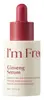
This calming serum is formulated around Panax Ginseng Root Extract and Camellia Sinensis Leaf Extract to calm redness and hydrate skin.
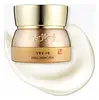
This moisturizer is formulated around Squalene to hydrate skin.


What's inside
What's inside
 Key Ingredients
Benefits
Concerns
Ingredients Side-by-side
Water
Skin ConditioningPanax Ginseng Root Extract
Emollient



Butylene Glycol
Humectant
Betaine
Humectant
1,2-Hexanediol
Skin Conditioning
Camellia Sinensis Leaf Extract
Antimicrobial




Glycerin
Humectant
Panax Ginseng Seed Oil
Emollient


Glycyrrhiza Uralensis Root Extract
Skin Conditioning
Paeonia Albiflora Root Extract
Skin ConditioningAngelica Gigas Root Extract
Skin ConditioningRheum Palmatum Root Extract
Astringent
Angelica Pubescens Root Extract
Skin ConditioningSchizonepeta Tenuifolia Extract
Skin ConditioningPhellodendron Amurense Bark Extract
Skin ConditioningHydroxyethylcellulose
Emulsion StabilisingCyclopentasiloxane
Emollient
Dimethiconol
Emollient
Bis-PEG-18 Methyl Ether Dimethyl Silane
EmollientEthoxydiglycol
HumectantAcrylates/C10-30 Alkyl Acrylate Crosspolymer
Emulsion StabilisingTromethamine
BufferingPEG-60 Hydrogenated Castor Oil
Emulsifying
Ethylhexylglycerin
Skin ConditioningHydrolyzed Glycosaminoglycans
HumectantHyaluronic Acid
Humectant
Glyceryl Polyacrylate
Adenosine
Skin Conditioning
Disodium EDTA
ChelatingWater, Panax Ginseng Root Extract, Butylene Glycol, Betaine, 1,2-Hexanediol, Camellia Sinensis Leaf Extract, Glycerin, Panax Ginseng Seed Oil, Glycyrrhiza Uralensis Root Extract, Paeonia Albiflora Root Extract, Angelica Gigas Root Extract, Rheum Palmatum Root Extract, Angelica Pubescens Root Extract, Schizonepeta Tenuifolia Extract, Phellodendron Amurense Bark Extract, Hydroxyethylcellulose, Cyclopentasiloxane, Dimethiconol, Bis-PEG-18 Methyl Ether Dimethyl Silane, Ethoxydiglycol, Acrylates/C10-30 Alkyl Acrylate Crosspolymer, Tromethamine, PEG-60 Hydrogenated Castor Oil, Ethylhexylglycerin, Hydrolyzed Glycosaminoglycans, Hyaluronic Acid, Glyceryl Polyacrylate, Adenosine, Disodium EDTA
Phellinus Linteus Extract
Skin ConditioningMacadamia Integrifolia Seed Oil
Skin Conditioning
Squalene
Emollient
Lecithin
Emollient
Chamomilla Recutita Flower Extract
Masking
Cucumis Sativus Fruit Extract
Emollient
Sprout Extract
Antioxidant
Hyaluronic Acid
Humectant
Helianthus Annuus Seed Oil
Emollient
Allantoin
Skin Conditioning
Tocopherol
Antioxidant

Camellia Sinensis Leaf Extract
Antimicrobial
Angelica Dahurica Root Extract
Skin ConditioningZingiber Officinale Rhizome Extract
AntimicrobialTrichosanthes Kirilowii Root Extract
Skin ProtectingPogostemon Cablin Leaf Extract
Perfuming
Rubus Idaeus Extract
Skin ProtectingLepidium Meyenii Root Extract
Skin ConditioningCalendula Officinalis Flower Extract
Masking
Phellinus Linteus Extract, Macadamia Integrifolia Seed Oil, Squalene, Lecithin, Chamomilla Recutita Flower Extract, Cucumis Sativus Fruit Extract, Sprout Extract, Hyaluronic Acid, Helianthus Annuus Seed Oil, Allantoin, Tocopherol, Camellia Sinensis Leaf Extract, Angelica Dahurica Root Extract, Zingiber Officinale Rhizome Extract, Trichosanthes Kirilowii Root Extract, Pogostemon Cablin Leaf Extract, Rubus Idaeus Extract, Lepidium Meyenii Root Extract, Calendula Officinalis Flower Extract
Reviews
Alternatives
Ingredients Explained
These ingredients are found in both products.
Ingredients higher up in an ingredient list are typically present in a larger amount.
Camellia Sinensis Leaf Extract (tea extract) is one of the most well-researched plant extracts in skincare with an impressive resume.
Black tea, green tea, and oolong tea are all harvested from the Camellia Sinensis plant.
Studies show green tea extract and its catechins (like epigallocatechin gallate (EGCG)) help your skin cells product energy more efficiently and reducing the number of free-radicals that can damage your skin from the inside.
In lab-grown skin models, this translated to younger, healthier, and stronger skin.
There's also good sun protection data; researchers saw less DNA damage and redness on human skin when green tea was applied before UVB exposure. And the more they applied, the better the protection.
Needless to say, this ingredient shouldn't replace your sunscreen. But it is a great supportive ingredient that you can already find in many sunscreens and antioxidant serums.
A 2009 study found a 2% green tea lotion was effective for mild-to-moderate acne thanks to its anti-inflammatory and mild antimicrobial activity.
The quality of the extract matters a lot here:
Good extracts contain 50-90% catechins while lower quality ones are mostly there for marketing. We recommend reaching out to the brand if you have questions about the quality or source of their ingredients.
Human Repeated Insult Patch Testing showed no irritation or sensitization at use concentrations (0.86% in leave-on products and up to 30% as leaf water).
Learn more about Camellia Sinensis Leaf ExtractHyaluronic acid (HA) is a glycosaminoglycan (basically a long sugar chain) that your skin already makes on its own. In your skin, HA lives in the extracellular matrix and acts as the body's moisture reservoir.
Topically, HA is a humectant that binds water and helps skin look more plump, smooth, and hydrated.
The only catch is that HA isn't a single thing; it actually comes in a wide range of molecular weights (~50 - 2,000+ kDA) and size matters.
Some clinical evidence links low molecular weight versions to improved wrinkle depth, elasticity, anti-inflammatory effects, and barrier repair.
This is why the best HA serums blend the two sizes together so you get the best of both worlds.
The majority of cosmetic HA is produced by bacterial fermentation, typically using Streptococcus or Bacillus strains. Typical use levels in skincare sit around 0.1-2%.
A clinical study using a 0.2% low-molecular weight HA gel showed improvement in facial seborrheic dermatitis with excellent tolerance.
These are some other common types of Hyaluronic Acid:
Learn more about Hyaluronic Acid

