Huda Beauty Easy Bake Loose Baking & Setting Powder Versus Mac Cosmetics Studio Fix Powder Plus Foundation

What's inside
What's inside
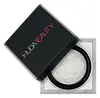 Key Ingredients
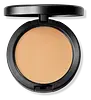
Benefits
Concerns
Ingredients Side-by-side
Talc
Abrasive
Synthetic Fluorphlogopite
Silica
Abrasive

Dimethicone
Emollient

Nylon-12

Caprylyl Glycol
Emollient
Pentylene Glycol
Skin Conditioning
Oryza Sativa Starch
AbsorbentPhenyl Trimethicone
Skin Conditioning
Sodium Dehydroacetate
Preservative
Octyldodecyl Stearoyl Stearate
Emollient

Diisostearyl Malate
EmollientParfum
Masking



Tocopheryl Acetate
Antioxidant


Benzyl Salicylate
Perfuming
Sorbitan Sesquioleate
Emulsifying
Hexyl Cinnamal
Perfuming
Linalool
Perfuming
Coumarin
Perfuming
Hydroxycitronellal
Perfuming
Benzyl Benzoate
Antimicrobial
Iron Oxides
CI 77492
Cosmetic ColorantCI 77491
Cosmetic ColorantUltramarines
CI 77007
Cosmetic ColorantCI 19140
Cosmetic ColorantCI 77499
Cosmetic ColorantCI 73360
Cosmetic ColorantTalc, Synthetic Fluorphlogopite, Silica, Dimethicone, Nylon-12, Caprylyl Glycol, Pentylene Glycol, Oryza Sativa Starch, Phenyl Trimethicone, Sodium Dehydroacetate, Octyldodecyl Stearoyl Stearate, Diisostearyl Malate, Parfum, Tocopheryl Acetate, Benzyl Salicylate, Sorbitan Sesquioleate, Hexyl Cinnamal, Linalool, Coumarin, Hydroxycitronellal, Benzyl Benzoate, Iron Oxides, CI 77492, CI 77491, Ultramarines, CI 77007, CI 19140, CI 77499, CI 73360
Synthetic Fluorphlogopite
Magnesium Potassium Fluorosilicate
Abrasive
Boron Nitride
Absorbent
Aluminum Starch Octenylsuccinate
Absorbent
Aluminum Hydroxide
EmollientOctyldodecyl Stearoyl Stearate
Emollient
Hydrogenated Vegetable Oil
Emollient


Silica
Abrasive
Dimethicone
Emollient
Illite
Abrasive
Zinc Stearate
Cosmetic ColorantDicalcium Phosphate
Abrasive
Pentaerythrityl Tetraisostearate
Emollient
Silybum Marianum Seed Oil
Skin Conditioning
Nannochloropsis Oculata Extract
HumectantAlaria Esculenta Extract
Skin Protecting
Porphyra Umbilicalis Extract
Skin ConditioningRosa Hybrid Flower Extract
Skin ConditioningCaprylic/Capric Triglyceride
Masking
Caprylyl Glycol
Emollient
Bisabolol
Antioxidant

Ethylhexylglycerin
Skin ConditioningKaolin
Abrasive
Mica
Cosmetic ColorantTriethoxycaprylylsilane
Sorbitan Tristearate
EmulsifyingPentaerythrityl Tetra-Di-T-Butyl Hydroxyhydrocinnamate
Antioxidant
Tocopherol
Antioxidant

CI 77891
Cosmetic ColorantCI 77491
Cosmetic ColorantCI 77492
Cosmetic ColorantCI 77499
Cosmetic ColorantCI 77163
Cosmetic Colorant
CI 77289
Cosmetic ColorantCI 77288
Cosmetic ColorantCI 77510
Cosmetic ColorantCI 77742
Cosmetic ColorantCI 15850
Cosmetic ColorantCI 77007
Cosmetic ColorantCI 42090
Cosmetic ColorantCI 45410
Cosmetic ColorantCI 73360
Cosmetic ColorantCI 19140
Cosmetic ColorantCI 15985
Cosmetic ColorantSynthetic Fluorphlogopite, Magnesium Potassium Fluorosilicate, Boron Nitride, Aluminum Starch Octenylsuccinate, Aluminum Hydroxide, Octyldodecyl Stearoyl Stearate, Hydrogenated Vegetable Oil, Silica, Dimethicone, Illite, Zinc Stearate, Dicalcium Phosphate, Pentaerythrityl Tetraisostearate, Silybum Marianum Seed Oil, Nannochloropsis Oculata Extract, Alaria Esculenta Extract, Porphyra Umbilicalis Extract, Rosa Hybrid Flower Extract, Caprylic/Capric Triglyceride, Caprylyl Glycol, Bisabolol, Ethylhexylglycerin, Kaolin, Mica, Triethoxycaprylylsilane, Sorbitan Tristearate, Pentaerythrityl Tetra-Di-T-Butyl Hydroxyhydrocinnamate, Tocopherol, CI 77891, CI 77491, CI 77492, CI 77499, CI 77163, CI 77289, CI 77288, CI 77510, CI 77742, CI 15850, CI 77007, CI 42090, CI 45410, CI 73360, CI 19140, CI 15985
Reviews
Ingredients Explained
These ingredients are found in both products.
Ingredients higher up in an ingredient list are typically present in a larger amount.
Caprylyl Glycol is a humectant, skin conditioner, emollient, and preservative booster derived from either caprylic acid or synthetically created.
Typical use levels vary from 0.3-1% as a preservative booster and go up to 2% to condition skin.
Because it is not a free-fatty acid, this ingredient is fungal acne safe (there's nothing for Malassezia to feed on).
Learn more about Caprylyl GlycolCI 19140 is also known as Tartrazine. Tartrazine is a synthetic dye used in cosmetics, foods, and medicine to add a yellow color.
Tartrazine is created from petroleum and is water-soluble.
Some people may experience allergies from this dye, especially asthmatics and those with an aspirin intolerance.
Learn more about CI 19140Ci 73360 is a synthetic red-pink dye.
It is soluble in water and remains chemically stable across a range of pH levels typically used in cosmetics. This helps manufacturers maintain uniform color throughout a product’s shelf life.
Because this ingredient is a regulated cosmetic colorant, its purity, manufacturing standards, and allowed uses are defined by cosmetic regulations in major markets.
Learn more about CI 73360This pigment is called Ultramarine blue lazurite. It gives a saturated blue color, but can be used to create other colors as well.
According to the manufacturer, it is usually made from kaolin, sodium sulfate, sodium carbonate, sulfur, and charcoal.
Ci 77491 is also hydrated iron III oxide. It's sole purpose is to give a red/pink hue to products.
Iron III oxides are classified as inorganic chemicals for coloring.
Synthetically created Ci 77491 is considered safer than those naturally found. This is because the synthetically created version may contain less impurities. Iron oxides are generally non-toxic and non-allergenic.
Learn more about CI 77491CI 77492 is also hydrated iron III oxide. It's sole purpose is to give a yellow hue to products.
Iron III oxides are classified as inorganic chemicals for coloring.
Synthetically created CI 77492 is considered safer than those naturally found. This is because the synthetically created version may contain less impurities. Iron oxides are generally non-toxic and non-allergenic.
Learn more about CI 77492Ci 77499 is also hydrated iron III oxide. It is created from mixing red and black iron oxides. This helps give shades of darkness to a product.
Iron III oxides are classified as inorganic chemicals for coloring.
Dimethicone is a type of synthetic silicone created from natural materials such as quartz. It is also known as polydimethylsiloxane.
What it does:
Dimethicone comes in different viscosities:
Depending on the viscosity, dimethicone has different properties.
Ingredients lists don't always show which type is used, so we recommend reaching out to the brand if you have questions about the viscosity.
This ingredient is unlikely to cause irritation because it does not get absorbed into skin. However, people with silicone allergies should be careful about using this ingredient.
Note: Dimethicone may contribute to pilling. This is because it is not oil or water soluble, so pilling may occur when layered with products. When mixed with heavy oils in a formula, the outcome is also quite greasy.
Learn more about DimethiconeOctyldodecyl Stearoyl Stearate is an emollient ester that mostly shows up in color cosmetics.
Functionally, it works as a skin-conditioning agent and a viscosity-increasing agent. This just means it helps soften skin while also thickening water-free formulas (like powders).
Despite being a "stearate", it has a lightweight, cushiony, and non-greasy slip.
This ingredient has shown no adverse effects in testing and is deemed safe in cosmetics at current use levels.
Typical concentrations range from 0.7-23%.
Because it is made of C-18 fatty acids (like stearic acid), this ingredient may not be fungal acne safe.
Learn more about Octyldodecyl Stearoyl StearateSilica, also known as silicon dioxide, is a naturally occurring mineral. It is used as a fine, spherical, and porous powder in cosmetics.
Though it has exfoliant properties, the function of silica varies depending on the product.
The unique structure of silica enhances the spreadability and adds smoothness, making it a great texture enhancer.
It is also used as an active carrier, emulsifier, and mattifier due to its ability to absorb excess oil.
In some products, tiny microneedles called spicules are made from silica or hydrolyzed sponge. When you rub them in, they lightly polish away dead skin layers and enhance the penetration of active ingredients.
Learn more about SilicaSynthetic Fluorphlogopite is the synthethic version of mica. It consists of fluorine, aluminum and silicate.
Synthetic Fluorphlogopite is used to add volume to products.
It is considered non-irritating on the skin.
Learn more about Synthetic Fluorphlogopite

