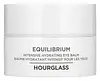
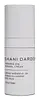
Hourglass Cosmetics Equilibrium Intensive Hydrating Eye Balm Versus Shani Darden Intensive Eye Renewal Cream
This anti-aging eye moisturizer is formulated around Ascorbic Acid to soften the look of wrinkles.
This anti-aging eye moisturizer is formulated around Niacinamide to soften the look of wrinkles.

What's inside
What's inside
 Key Ingredients
Benefits
Concerns
Ingredients Side-by-side
Glycerin
Humectant


Triethylhexanoin
MaskingMethyl Trimethicone
Skin Conditioning
Diglycerin
Humectant
Polyglyceryl-6 Polyricinoleate
Emulsifying

Dimethicone
Emollient
Disteardimonium Hectorite
StabilisingPentylene Glycol
Skin Conditioning
Ethylhexyl Palmitate
Emollient


Glyceryl Behenate
Emollient
PEG-9 Polydimethylsiloxyethyl Dimethicone
Emulsifying
Polymethylsilsesquioxane
Water
Skin ConditioningAscorbic Acid
Antioxidant





Butylene Glycol
Humectant
Dimethicone/Vinyl Dimethicone Crosspolymer
Skin Conditioning
Dipalmitoyl Hydroxyproline
Skin Conditioning
Glyceryl Glucoside
Humectant
Lecithin
Emollient
Phoenix Dactylifera Seed
Skin ConditioningPhospholipids
Skin Conditioning
Phytosteryl/Octyldodecyl Lauroyl Glutamate
Skin ConditioningTheobroma Cacao Seed Extract
Antioxidant
Tocopherol
Antioxidant

Glycerin, Triethylhexanoin, Methyl Trimethicone, Diglycerin, Polyglyceryl-6 Polyricinoleate, Dimethicone, Disteardimonium Hectorite, Pentylene Glycol, Ethylhexyl Palmitate, Glyceryl Behenate, PEG-9 Polydimethylsiloxyethyl Dimethicone, Polymethylsilsesquioxane, Water, Ascorbic Acid, Butylene Glycol, Dimethicone/Vinyl Dimethicone Crosspolymer, Dipalmitoyl Hydroxyproline, Glyceryl Glucoside, Lecithin, Phoenix Dactylifera Seed, Phospholipids, Phytosteryl/Octyldodecyl Lauroyl Glutamate, Theobroma Cacao Seed Extract, Tocopherol
Water
Skin ConditioningCaprylic/Capric Triglyceride
Masking
Diheptyl Succinate
EmollientCapryloyl Glycerin/Sebacic Acid Copolymer
Skin ConditioningButyrospermum Parkii Butter
Skin Conditioning
Albizia Julibrissin Bark Extract
MaskingDarutoside
Skin ConditioningCetearyl Alcohol
Emollient
Pentylene Glycol
Skin Conditioning
Glycerin
Humectant
Niacinamide
Smoothing




Castanea Sativa Seed Extract
Skin ConditioningSorbitan Stearate
Emulsifying
Glyceryl Stearate
Emollient
PEG-100 Stearate
Surfactant
Hydroxyethyl Acrylate/Sodium Acryloyldimethyl Taurate Copolymer
Emulsion StabilisingHydrolyzed Pea Protein
EmollientLecithin
Emollient
Olea Europaea Fruit Oil
Masking

Phytosterols
Skin Conditioning
Squalane
Emollient
Ceramide NP
Skin Conditioning
Propanediol
Solvent
Physalis Angulata Extract
Skin ProtectingTocopheryl Acetate
Antioxidant
Cucumis Sativus Fruit Extract
Emollient
Tetrasodium Glutamate Diacetate
ChelatingPhenoxyethanol
Preservative
Ethylhexylglycerin
Skin ConditioningChlorphenesin
Antimicrobial
Water, Caprylic/Capric Triglyceride, Diheptyl Succinate, Capryloyl Glycerin/Sebacic Acid Copolymer, Butyrospermum Parkii Butter, Albizia Julibrissin Bark Extract, Darutoside, Cetearyl Alcohol, Pentylene Glycol, Glycerin, Niacinamide, Castanea Sativa Seed Extract, Sorbitan Stearate, Glyceryl Stearate, PEG-100 Stearate, Hydroxyethyl Acrylate/Sodium Acryloyldimethyl Taurate Copolymer, Hydrolyzed Pea Protein, Lecithin, Olea Europaea Fruit Oil, Phytosterols, Squalane, Ceramide NP, Propanediol, Physalis Angulata Extract, Tocopheryl Acetate, Cucumis Sativus Fruit Extract, Tetrasodium Glutamate Diacetate, Phenoxyethanol, Ethylhexylglycerin, Chlorphenesin
Alternatives
Ingredients Explained
These ingredients are found in both products.
Ingredients higher up in an ingredient list are typically present in a larger amount.
Glycerin (or glycerol) is a compound naturally found in your skin. It's a powerhouse humectant that pulls water into the stratum corneum.
Topically, glycerin does several things at once:
Your skin makes glycerin on its own (mostly from sebaceous oil breakdown) and shuttles it to your outermost layer of skin, or your epidermis, via aquaporin-3.
Aquaporin-3 is a transporter that is essential for normal skin hydration, elasticity, and repair. Interestingly, mice lacking in AQP3 have dry and less elastic skin that can be fully corrected with glycerin.
This ingredient is non-irritating, plays well with almost every ingredient, and works across all skin types. Typical use is anywhere between 3-10% but can go up to 79% in some leave-on products.
Just know very high concentrations (>40%) can feel tacky in low humidity.
Glycerin is the name for this ingredient in American English. British English uses Glycerol/Glycerine.
Learn more about GlycerinLecithin is a term for a group of substances found in the cell membranes of plants, animals, and humans. They are made up of phospholipids.
Thanks to its amphiphilic structure (water-loving head and oil-loving tail), it is a true multitasker:
It plays well with most ingredients and is typically used at 0.1-1%. However, concentrations up to 50% have been reported in moisturizers.
Learn more about LecithinPentylene Glycol (1,2-pentanediol) is a multitasking little diol with three main roles in a formula:
Research on alkanediols (the family pentylene glycol belongs to) show they work by disrupting microbial cell membranes. This disruption helps the primary preservative system in a product work more effectively at lower doses.
On the safety side, the Cosmetic Ingredient Review Expert Panel has concluded this ingredient to be safe as used in current cosmetic practices + concentrations.
Typical use levels in a formula run about 1-5%.
Learn more about Pentylene GlycolWater. It's the most common cosmetic ingredient of all. You'll usually see it at the top of ingredient lists, meaning that it makes up the largest part of the product.
So why is it so popular? Water most often acts as a solvent - this means that it helps dissolve other ingredients into the formulation.
You'll also recognize water as that liquid we all need to stay alive. If you see this, drink a glass of water. Remember to stay hydrated!
Learn more about Water

