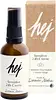
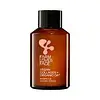
Hej Organic Sensitive 24h Cream Versus Farm Loves Face Vegan Collagen + Organic Oat Barrier & Hydro Toner
This calming moisturizer is formulated around Chamomilla Recutita Flower Extract and Avena Sativa Kernel Extract to calm redness and strengthen the skin barrier.
This hydrating toner is formulated around Aloe Barbadensis Leaf Juice to hydrate skin.

What's inside
What's inside
 Key Ingredients
No key ingredients
Benefits
Concerns
Ingredients Side-by-side
Water
Skin ConditioningPrunus Armeniaca Kernel Oil
Masking





Glycerin
Humectant

Helianthus Annuus Seed Oil
Emollient
Distarch Phosphate
AbsorbentCetearyl Alcohol
Emollient


Polyglyceryl-3 Stearate
Emulsifying
Hydrogenated Rapeseed Oil
Emollient
Cannabis Sativa Seed Oil
Emollient
Candelilla Cera
Emollient
Chamomilla Recutita Flower Extract
Masking

Hypericum Perforatum Extract
AntimicrobialAvena Sativa Kernel Extract
Abrasive

Xanthan Gum
EmulsifyingSodium Levulinate
Skin ConditioningSodium Anisate
AntimicrobialTocopherol
Antioxidant



Citric Acid
Buffering
Parfum
Masking


Water, Prunus Armeniaca Kernel Oil, Glycerin, Helianthus Annuus Seed Oil, Distarch Phosphate, Cetearyl Alcohol, Polyglyceryl-3 Stearate, Hydrogenated Rapeseed Oil, Cannabis Sativa Seed Oil, Candelilla Cera, Chamomilla Recutita Flower Extract, Hypericum Perforatum Extract, Avena Sativa Kernel Extract, Xanthan Gum, Sodium Levulinate, Sodium Anisate, Tocopherol, Citric Acid, Parfum
Water
Skin ConditioningAloe Barbadensis Leaf Juice
Skin Conditioning
Glycerin
Humectant
Propanediol
Solvent
Betaine
Humectant
Pentylene Glycol
Skin Conditioning
Avena Sativa Leaf Extract
AstringentCanola Oil
Emollient
Limnanthes Alba Seed Oil
Skin Conditioning
Helianthus Annuus Seed Oil
Emollient
Argania Spinosa Kernel Oil
Emollient
Collagen Amino Acids
Moisturising
Leuconostoc/Radish Root Ferment Filtrate
Antimicrobial
Sodium Levulinate
Skin ConditioningSodium Gluconate
ChelatingXanthan Gum
EmulsifyingPolyglyceryl-10 Stearate
Skin Conditioning
Saccharomyces Ferment Lysate Filtrate
Skin Conditioning
Citric Acid
Buffering
Potassium Sorbate
Preservative
Sodium Benzoate
Masking
Water, Aloe Barbadensis Leaf Juice, Glycerin, Propanediol, Betaine, Pentylene Glycol, Avena Sativa Leaf Extract, Canola Oil, Limnanthes Alba Seed Oil, Helianthus Annuus Seed Oil, Argania Spinosa Kernel Oil, Collagen Amino Acids, Leuconostoc/Radish Root Ferment Filtrate, Sodium Levulinate, Sodium Gluconate, Xanthan Gum, Polyglyceryl-10 Stearate, Saccharomyces Ferment Lysate Filtrate, Citric Acid, Potassium Sorbate, Sodium Benzoate
Ingredients Explained
These ingredients are found in both products.
Ingredients higher up in an ingredient list are typically present in a larger amount.
Citric Acid is an alpha hydroxy acid (AHA) naturally found in citrus fruits like oranges, lemons, and limes.
Like other AHAs, citric acid can exfoliate skin by breaking down the bonds that hold dead skin cells together. This helps reveal smoother and brighter skin underneath.
However, this exfoliating effect only happens at high concentrations (20%) which can be hard to find in cosmetic products.
Due to this, citric acid is usually included in small amounts as a pH adjuster. This helps keep products slightly more acidic and compatible with skin's natural pH.
In skincare formulas, citric acid can:
While it can provide some skin benefits, research shows lactic acid and glycolic acid are generally more effective and less irritating exfoliants.
Most citric acid used in skincare today is made by fermenting sugars (usually from molasses). This synthetic version is identical to the natural citrus form but easier to stabilize and use in formulations.
Rosacea skin has a lower threshold for acids generally, with 62.5% of rosacea subjects in one study reacting to lactic acid in a sting test. This is why we mark citric acid as a potential rosacea trigger.
However, this ingredient shows up as a pH adjuster or chelator at roughly 0.1-1% in many products. These low levels are unlikely to be an issue for rosacea skin and becomes a potential trigger at exfoliating concentrations (20%). Because everybody's skin is unique, we recommend a patch test if you are unsure.
Learn more about Citric AcidGlycerin (or glycerol) is a compound naturally found in your skin. It's a powerhouse humectant that pulls water into the stratum corneum.
Topically, glycerin does several things at once:
Your skin makes glycerin on its own (mostly from sebaceous oil breakdown) and shuttles it to your outermost layer of skin, or your epidermis, via aquaporin-3.
Aquaporin-3 is a transporter that is essential for normal skin hydration, elasticity, and repair. Interestingly, mice lacking in AQP3 have dry and less elastic skin that can be fully corrected with glycerin.
This ingredient is non-irritating, plays well with almost every ingredient, and works across all skin types. Typical use is anywhere between 3-10% but can go up to 79% in some leave-on products.
Just know very high concentrations (>40%) can feel tacky in low humidity.
Glycerin is the name for this ingredient in American English. British English uses Glycerol/Glycerine.
Learn more about GlycerinHelianthus Annuus Seed Oil is a plant oil derived from the seeds of a sunflower.
It is rich in fatty acids, primarily linoleic acid and oleic acid. This gives it emollient and skin conditioning properties.
The reason this ingredient is so effective is because it forms a thin film on the skin that reduces transepidermal water loss (TEWL) while supplying linoleic acid to the stratum corneum to improve barrier strength.
The high linoleic acid content is particularly noteworthy for acne-prone skin.
Research suggests that acne-prone skin tends to be deficient in linoleic acid in sebum. Topical application may help replenish this to support a healthier follicular environment and less comedone-promoting sebum.
One randomized study found sunflower seed oil preserved skin barrier integrity in adult volunteers with and without atopic dermatitis (outperforming olive oil).
This ingredient is well-studied, gentle, and an effective emollient suitable for most skin types.
On fungal acne: This ingredient may not be Fungal acne (Malassezia folliculitis) safe. This is because it contains fatty acids with carbon chain lengths in the C11-C24 range.
Learn more about Helianthus Annuus Seed OilSodium levulinate is the a sodium salt of Levulinic Acid. Oncedissolved in an aqueous solution, the two ingredients become identical. It is usually derived from renewable plant sources like corn starch or sugarcane.
In skincare, it mostly acts as a skin conditioning agent that keeps skin soft and hydrated. It also acts as a preservative booster by inhibiting the growth of mold, yeast, and bacteria.
It's often paired with Sodium Anisate as the two create a broad-spectrum preservative system that is popular in "natural" formulations.
This ingredient is water-soluble.
The CIR Expert Panel for Cosmetic Ingredient Safety has concluded this ingredient to be non-irritated and there are no restrictions for use in EU cosmetics. The FDA also allows this ingredient to be used as a food-grade flavoring agent.
Learn more about Sodium LevulinateWater. It's the most common cosmetic ingredient of all. You'll usually see it at the top of ingredient lists, meaning that it makes up the largest part of the product.
So why is it so popular? Water most often acts as a solvent - this means that it helps dissolve other ingredients into the formulation.
You'll also recognize water as that liquid we all need to stay alive. If you see this, drink a glass of water. Remember to stay hydrated!
Learn more about WaterXanthan gum is used as a stabilizer and thickener within cosmetic products. It helps give products a sticky, thick feeling - preventing them from being too runny.
On the technical side of things, xanthan gum is a polysaccharide - a combination consisting of multiple sugar molecules bonded together.
Xanthan gum is a pretty common and great ingredient. It is a natural, non-toxic, non-irritating ingredient that is also commonly used in food products.
Learn more about Xanthan Gum

