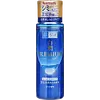
This brightening essence is formulated around Tranexamic Acid and Dipotassium Glycyrrhizate to fade the look of dark spots and brighten dull-looking skin.
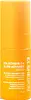
This brightening serum is formulated around 3-O-Ethyl Ascorbic Acid and Alpha-Arbutin to brighten dull-looking skin and fade the look of dark spots.


What's inside
What's inside
 Key Ingredients
Benefits
Concerns
No concerns
Ingredients Side-by-side
Tranexamic Acid
Astringent




Dipotassium Glycyrrhizate
Humectant
Hydrolyzed Hyaluronic Acid
Humectant



Sodium Hyaluronate
Humectant
Magnesium Ascorbyl Phosphate
Antioxidant



Tocopherol
Antioxidant
Butylene Glycol
Humectant
Glycerin
Humectant
Diglycerin
Humectant
Pentylene Glycol
Skin Conditioning
Dipropylene Glycol
HumectantPEG-30 Dipolyhydroxystearate
Emulsifying

PEG-8
HumectantHydrogenated Lecithin
Emulsifying
Citric Acid
Buffering
EDTA
Styrene/Vp Copolymer
Polysorbate 20
Emulsifying
Phenoxyethanol
Preservative
Tranexamic Acid, Dipotassium Glycyrrhizate, Hydrolyzed Hyaluronic Acid, Sodium Hyaluronate, Magnesium Ascorbyl Phosphate, Tocopherol, Butylene Glycol, Glycerin, Diglycerin, Pentylene Glycol, Dipropylene Glycol, PEG-30 Dipolyhydroxystearate, PEG-8, Hydrogenated Lecithin, Citric Acid, EDTA, Styrene/Vp Copolymer, Polysorbate 20, Phenoxyethanol
Water
Skin Conditioning3-O-Ethyl Ascorbic Acid
Skin Conditioning
Glycerin
Humectant
Alpha-Arbutin
Antioxidant
Pentylene Glycol
Skin Conditioning
Artemisia Capillaris Leaf Extract
Skin ConditioningCamellia Sinensis Leaf Extract
Antimicrobial
Mel Extract
MoisturisingPhenoxyethanol
Preservative
Sodium Benzoate
Masking
Caffeine
Skin Conditioning
Helianthus Annuus Sprout Extract
Skin ConditioningTerminalia Ferdinandiana Fruit Extract
Antioxidant
Chlorphenesin
Antimicrobial
Rubus Idaeus Fruit Extract
AstringentSodium Hydrosulfite
Tocopheryl Acetate
Antioxidant
Xanthan Gum
EmulsifyingButeth-3
SolventDaucus Carota Sativa Root Extract
Skin Conditioning
Ferulic Acid
Antimicrobial
Polyacrylate Crosspolymer-6
Emulsion StabilisingTetrasodium EDTA
Arginine
Masking
Hydrolyzed Algin
Sodium Hyaluronate
Humectant
Tributyl Citrate
SolventEthylhexylglycerin
Skin ConditioningHyaluronic Acid
Humectant
Hydrolyzed Hyaluronic Acid
Humectant
Hydrolyzed Sodium Hyaluronate
Skin Conditioning
Hydroxypropyltrimonium Hyaluronate
Potassium Hyaluronate
Skin ConditioningSodium Acetylated Hyaluronate
Humectant
Sodium Hyaluronate Crosspolymer
Humectant
Sodium Benzotriazolyl Butylphenol Sulfonate
UV AbsorberWater, 3-O-Ethyl Ascorbic Acid, Glycerin, Alpha-Arbutin, Pentylene Glycol, Artemisia Capillaris Leaf Extract, Camellia Sinensis Leaf Extract, Mel Extract, Phenoxyethanol, Sodium Benzoate, Caffeine, Helianthus Annuus Sprout Extract, Terminalia Ferdinandiana Fruit Extract, Chlorphenesin, Rubus Idaeus Fruit Extract, Sodium Hydrosulfite, Tocopheryl Acetate, Xanthan Gum, Buteth-3, Daucus Carota Sativa Root Extract, Ferulic Acid, Polyacrylate Crosspolymer-6, Tetrasodium EDTA, Arginine, Hydrolyzed Algin, Sodium Hyaluronate, Tributyl Citrate, Ethylhexylglycerin, Hyaluronic Acid, Hydrolyzed Hyaluronic Acid, Hydrolyzed Sodium Hyaluronate, Hydroxypropyltrimonium Hyaluronate, Potassium Hyaluronate, Sodium Acetylated Hyaluronate, Sodium Hyaluronate Crosspolymer, Sodium Benzotriazolyl Butylphenol Sulfonate
Reviews
Ingredients Explained
These ingredients are found in both products.
Ingredients higher up in an ingredient list are typically present in a larger amount.
Glycerin (or glycerol) is a compound naturally found in your skin. It's a powerhouse humectant that pulls water into the stratum corneum.
Topically, glycerin does several things at once:
Your skin makes glycerin on its own (mostly from sebaceous oil breakdown) and shuttles it to your outermost layer of skin, or your epidermis, via aquaporin-3.
Aquaporin-3 is a transporter that is essential for normal skin hydration, elasticity, and repair. Interestingly, mice lacking in AQP3 have dry and less elastic skin that can be fully corrected with glycerin.
This ingredient is non-irritating, plays well with almost every ingredient, and works across all skin types. Typical use is anywhere between 3-10% but can go up to 79% in some leave-on products.
Just know very high concentrations (>40%) can feel tacky in low humidity.
Glycerin is the name for this ingredient in American English. British English uses Glycerol/Glycerine.
Learn more about GlycerinHydrolyzed Hyaluronic Acid is hyaluronic acid (HA) that is broken down into lower molecular weight fragments.
It's a humectant that pulls and holds water in the skin to help with hydration, plumpness, and reduce transepidermal water loss.
Because hydrolyzed hyaluronic acid is smaller in size, it can slip past your outermost layer of skin more easily than full-sized HA.
Most formulations will combine all sizes to get the best of both worlds.
Typical usage levels range from 0.01-1%. Any percentage higher than 2% might become goopy and tacky.
Learn more about Hydrolyzed Hyaluronic AcidPentylene Glycol (1,2-pentanediol) is a multitasking little diol with three main roles in a formula:
Research on alkanediols (the family pentylene glycol belongs to) show they work by disrupting microbial cell membranes. This disruption helps the primary preservative system in a product work more effectively at lower doses.
On the safety side, the Cosmetic Ingredient Review Expert Panel has concluded this ingredient to be safe as used in current cosmetic practices + concentrations.
Typical use levels in a formula run about 1-5%.
Learn more about Pentylene GlycolPhenoxyethanol is one of the most widely used preservatives in skincare (and for good reason!).
It has a large spectrum of antimicrobial activity and especially effective bacteria, yeast, and mold while only having a weak effect on your skin's natural microbiome.
On a cellular level, it disrupts the cell membranes of microbes by poking holes that make the cell leak. This shuts down the chemical reactions the microbe needs to make energy so it can no longer survive.
Another perk of this ingredient is that it stays functional across a wide pH range (3-10).
You'll often see it paired with boosters like Ethylhexylglycerin; one study showed that a 1:9 ratio of Ethylhexylglycerin to Phenoxyethanol damages bacterial membranes as effectively as doubling the Phenoxyethanol concentration on its own.
Typical use concentrations range from 0.3-1% depending on the formula, and this ingredient is capped at 1% int the EU.
Safety-wise, the fear mongering does not hold up to the evidence. The EU's Scientific Committee on Consumer Safety and FDA consider it safe as a preservative at up to 1%, including for children of all ages.
Adverse systemic effects only showed up in animal studies at exposures roughly 200x higher than what people get from cosmetics. And despite its very widespread use, this ingredient is a rare sensitizer and allergic reactions are uncommon.
Learn more about PhenoxyethanolSodium Hyaluronate is the salt form of hyaluronic acid. It is a long sugar chain that is naturally found in your skin, joints, and connective tissue that maintains hydration and elasticity.
In skincare, it works as a humectant. It pulls water from the environment and deeper layers of skin and binds it to the surface.
Interestingly, the size of the molecule affects its behavior:
Some clinical evidence links low molecular weight versions to improved wrinkle depth, elasticity, anti-inflammatory effects, and barrier repair.
Many serums use a blend of both weights so you can get surface hydration plus longer-lasting and deeper effects.
You'll typically see concentrations between 0.1-2% for this ingredient.
Learn more about Sodium Hyaluronate

