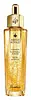
This anti-aging oil is formulated around Royal Jelly and Adenosine to soften the look of wrinkles.
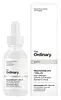
This oil-control serum is formulated around Niacinamide and Zinc PCA to balance excess oil and refine the look of pores.


What's inside
What's inside
 Key Ingredients
Benefits
Concerns
No concerns
Ingredients Side-by-side
Water
Skin ConditioningGlycerin
Humectant


Polyglycerin-3
Humectant
1,2-Hexanediol
Skin Conditioning
Alcohol
Antimicrobial




Polysorbate 20
Emulsifying
Pentylene Glycol
Skin Conditioning
Mel
EmollientRoyal Jelly

Mannitol
Humectant
Cellulose
Absorbent
Chlorphenesin
Antimicrobial
Parfum
Masking

Polyacrylate Crosspolymer-6
Emulsion StabilisingPropanediol
Solvent
Trisodium Ethylenediamine Disuccinate
ChelatingSodium Citrate
BufferingCitric Acid
Buffering

Biosaccharide Gum-2
Skin ConditioningTocopheryl Acetate
Antioxidant

Maltodextrin
Absorbent
Adenosine
Skin Conditioning
Caprylic/Capric Triglyceride
Masking
Acrylates/Ammonium Methacrylate Copolymer
Synthetic Fluorphlogopite
Triethyl Citrate
Masking
CI 77891
Cosmetic ColorantSodium Benzoate
Masking
Biosaccharide Gum-1
Humectant
Sodium Metabisulfite
Antioxidant
CI 77492
Cosmetic ColorantPotassium Sorbate
Preservative
CI 77491
Cosmetic ColorantHydroxypropyl Methylcellulose
Emulsion StabilisingTin Oxide
Abrasive
Water, Glycerin, Polyglycerin-3, 1,2-Hexanediol, Alcohol, Polysorbate 20, Pentylene Glycol, Mel, Royal Jelly, Mannitol, Cellulose, Chlorphenesin, Parfum, Polyacrylate Crosspolymer-6, Propanediol, Trisodium Ethylenediamine Disuccinate, Sodium Citrate, Citric Acid, Biosaccharide Gum-2, Tocopheryl Acetate, Maltodextrin, Adenosine, Caprylic/Capric Triglyceride, Acrylates/Ammonium Methacrylate Copolymer, Synthetic Fluorphlogopite, Triethyl Citrate, CI 77891, Sodium Benzoate, Biosaccharide Gum-1, Sodium Metabisulfite, CI 77492, Potassium Sorbate, CI 77491, Hydroxypropyl Methylcellulose, Tin Oxide







Reviews
Ingredients Explained
These ingredients are found in both products.
Ingredients higher up in an ingredient list are typically present in a larger amount.
Chlorphenesin is a synthetic preservative. It helps protect a product against bacteria in order to extend shelf life. In most cases, Chlorphenesin is paired with other preservatives such as phenoxyethanol and caprylyl glycol.
Chlorphenesin is a biocide. This means it is able to help fight the microorganisms on our skin. It is also able to fight odor-releasing bacteria.
Chlorphenesin is soluble in both water and glycerin.
Studies show Chlorphenesin is easily absorbed by our skin. You should speak with a skincare professional if you have concerns about using Chlorphenesin.
Learn more about ChlorphenesinPentylene Glycol (1,2-pentanediol) is a multitasking little diol with three main roles in a formula:
Research on alkanediols (the family pentylene glycol belongs to) show they work by disrupting microbial cell membranes. This disruption helps the primary preservative system in a product work more effectively at lower doses.
On the safety side, the Cosmetic Ingredient Review Expert Panel has concluded this ingredient to be safe as used in current cosmetic practices + concentrations.
Typical use levels in a formula run about 1-5%.
Learn more about Pentylene GlycolWater. It's the most common cosmetic ingredient of all. You'll usually see it at the top of ingredient lists, meaning that it makes up the largest part of the product.
So why is it so popular? Water most often acts as a solvent - this means that it helps dissolve other ingredients into the formulation.
You'll also recognize water as that liquid we all need to stay alive. If you see this, drink a glass of water. Remember to stay hydrated!
Learn more about Water

