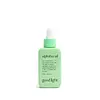
This hydrating oil is formulated around Simmondsia Chinensis Seed Oil and Tocopherol to hydrate skin and brighten dull-looking skin.
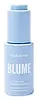
This acne treatment is formulated around Rosa Canina Fruit Oil and Melaleuca Alternifolia Leaf Oil to clear breakouts and fade the look of dark spots.


What's inside
What's inside
 Key Ingredients
Benefits
Concerns
Ingredients Side-by-side
Helianthus Annuus Seed Oil
Emollient



Simmondsia Chinensis Seed Oil
Emollient

Macadamia Ternifolia Seed Oil
Emollient
Olea Europaea Fruit Oil
Masking


Vitis Vinifera Seed Oil
Emollient
Tocopherol
Antioxidant




Ascorbic Acid
Antioxidant

Panthenol
Skin Conditioning
Ferulic Acid
Antimicrobial
Retinyl Palmitate
Skin Conditioning
Limnanthes Alba Seed Oil
Skin Conditioning
Melia Azadirachta Leaf Extract
Skin ConditioningMelia Azadirachta Flower Extract
Skin ConditioningCoccinia Indica Fruit Extract
Skin Conditioning
Solanum Melongena Fruit Extract
Skin ConditioningCurcuma Longa Root Extract
Antioxidant
Ocimum Sanctum Leaf Extract
Skin ConditioningCorallina Officinalis Extract
Skin Conditioning
Moringa Oleifera Seed Oil
Emollient
Amber Powder
Helianthus Annuus Seed Oil, Simmondsia Chinensis Seed Oil, Macadamia Ternifolia Seed Oil, Olea Europaea Fruit Oil, Vitis Vinifera Seed Oil, Tocopherol, Ascorbic Acid, Panthenol, Ferulic Acid, Retinyl Palmitate, Limnanthes Alba Seed Oil, Melia Azadirachta Leaf Extract, Melia Azadirachta Flower Extract, Coccinia Indica Fruit Extract, Solanum Melongena Fruit Extract, Curcuma Longa Root Extract, Ocimum Sanctum Leaf Extract, Corallina Officinalis Extract, Moringa Oleifera Seed Oil, Amber Powder
Nigella Sativa Seed Oil
Emollient
Rosa Canina Fruit Oil
Emollient
Calophyllum Inophyllum Seed Oil
Antimicrobial
Helianthus Annuus Seed Oil
Emollient
Symphytum Officinale Root Extract
Skin Conditioning




Nigella Sativa Seed Oil, Rosa Canina Fruit Oil, Calophyllum Inophyllum Seed Oil, Helianthus Annuus Seed Oil, Symphytum Officinale Root Extract, Olea Europaea Leaf Extract, Lavandula Angustifolia Oil, Simmondsia Chinensis Seed Oil, Melaleuca Alternifolia Leaf Oil, Helichrysum Italicum Flower Oil, Matricaria Recutita Flower Oil, Rosmarinus Officinalis Leaf Extract
Reviews
Ingredients Explained
These ingredients are found in both products.
Ingredients higher up in an ingredient list are typically present in a larger amount.
Helianthus Annuus Seed Oil is a plant oil derived from the seeds of a sunflower.
It is rich in fatty acids, primarily linoleic acid and oleic acid. This gives it emollient and skin conditioning properties.
The reason this ingredient is so effective is because it forms a thin film on the skin that reduces transepidermal water loss (TEWL) while supplying linoleic acid to the stratum corneum to improve barrier strength.
The high linoleic acid content is particularly noteworthy for acne-prone skin.
Research suggests that acne-prone skin tends to be deficient in linoleic acid in sebum. Topical application may help replenish this to support a healthier follicular environment and less comedone-promoting sebum.
One randomized study found sunflower seed oil preserved skin barrier integrity in adult volunteers with and without atopic dermatitis (outperforming olive oil).
This ingredient is well-studied, gentle, and an effective emollient suitable for most skin types.
On fungal acne: This ingredient may not be Fungal acne (Malassezia folliculitis) safe. This is because it contains fatty acids with carbon chain lengths in the C11-C24 range.
Learn more about Helianthus Annuus Seed OilJojoba oil is one of the most well-studied plant-derived ingredients in cosmetics. It is an emollient with a special structure.
Because it is made up of 97-98% wax esters, it closely mirrors the linear monoesters found in human sebum. This makes it skin compatible, non-greasy, and lightweight.
Unlike other plant oils, jojoba wax doesn't easily penetrate skin. It mostly works in the uppermost layers as an emollient. This just means it forms a light barrier on the skin to help retain moisture.
Formulations with jojoba esters up to 90% reduced transepidermal water loss (TEWL) and increased barrier recovery by 81% (outperforming bisabolol at 47%).
Besides barrier support, the science also suggests jojoba to have anti-inflammatory effects and potential applications for skin infections, aging, and wound healing.
Fun fact: Indigenous cultures have used jojoba as a moisturizer and to help treat burns for centuries.
Fungal acne: The Malassezia yeast is known to metabolize fatty acids in the C11-24 range and jojoba's dominant fatty acid components fall into this range. This ingredient may not be fungal acne safe.
Learn more about Simmondsia Chinensis Seed Oil

