

What's inside
What's inside
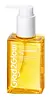 Key Ingredients
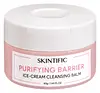
No key ingredients
Benefits
Concerns
Ingredients Side-by-side
Ethylhexyl Palmitate
Emollient


Cetyl Ethylhexanoate
EmollientEthylhexyl Stearate
Emollient
PEG-20 Glyceryl Triisostearate
Emollient
Butylene Glycol
Humectant





Ethylhexyl Palmitate, Cetyl Ethylhexanoate, Ethylhexyl Stearate, PEG-20 Glyceryl Triisostearate, Butylene Glycol, PEG-12 Laurate, Water, Centella Asiatica Extract, Camellia Japonica Seed Oil, Simmondsia Chinensis Seed Oil, Glycosphingolipids, Helichrysum Italicum Flower Oil, Propanediol, Aroma, Phenoxyethanol
Ethylhexyl Palmitate
Emollient
Caprylic/Capric Triglyceride
Masking
PEG-20 Glyceryl Triisostearate
Emollient
Synthetic Wax
Abrasive
Butylene Glycol
Humectant
Cera Microcristallina
Emulsion StabilisingFragaria Chiloensis Fruit Extract
Skin Conditioning
Euterpe Oleracea Fruit Extract

Rubus Fruticosus Fruit Extract
AstringentCentella Asiatica Extract
Cleansing



Ceramide NP
Skin Conditioning
Ceramide EOP
Skin Conditioning
Ceramide Ns
Skin Conditioning
Ceramide Ng
Skin Conditioning
Ceramide As
Skin Conditioning
Ceramide AP
Skin Conditioning
Ascorbic Acid
Antioxidant



Tocopherol
Antioxidant
Hydrogenated Lecithin
Emulsifying
Cyclodextrin
AbsorbentGlycerin
Humectant
Ethylhexylglycerin
Skin ConditioningWater
Skin ConditioningEthylhexyl Palmitate, Caprylic/Capric Triglyceride, PEG-20 Glyceryl Triisostearate, Synthetic Wax, Butylene Glycol, Cera Microcristallina, Fragaria Chiloensis Fruit Extract, Euterpe Oleracea Fruit Extract, Rubus Fruticosus Fruit Extract, Centella Asiatica Extract, Ceramide NP, Ceramide EOP, Ceramide Ns, Ceramide Ng, Ceramide As, Ceramide AP, Ascorbic Acid, Tocopherol, Hydrogenated Lecithin, Cyclodextrin, Glycerin, Ethylhexylglycerin, Water
Reviews
Ingredients Explained
These ingredients are found in both products.
Ingredients higher up in an ingredient list are typically present in a larger amount.
Butylene Glycol (or BG) is used within cosmetic products for a few different reasons:
Overall, Butylene Glycol is a safe and well-rounded ingredient that works well with other ingredients.
Though this ingredient works well with most skin types, some people with sensitive skin may experience a reaction such as allergic rashes, closed comedones, or itchiness.
Learn more about Butylene GlycolCentella Asiatica Extract (Centella) is derived from an herb native to Southeast Asia. It is famous for its anti-inflammatory and soothing properties.
Centella is rich in antioxidants and amino acids, such as Madecassic Acid and Asiaticoside.
Studies show the compounds in centella help with:
The combination of all these properties makes centella effective at soothing, hydrating, and protecting the skin.
Other great components of centella include Vitamin A, vitamin C, several B vitamins, and Asiatic Acid.
Fun fact: Centella has been used as a medicine and in food for many centuries. As a medicine, it is used to treat burns, scratches, and wounds.
Learn more about Centella Asiatica ExtractEthylhexyl Palmitate, also known as octyl palmitate, is created from 2-ethylhexyl alcohol and palmitic acid.
In cosmetics, it plays many roles:
One thing worth noting: a controlled study found this ingredient applied under occlusion to acne-prone subjects increased microcomedones. Just keep in mind this was under occlusive conditions and don't reflect how most products are used day-to-day.
For most people, this is a well-tolerated and lightweight ingredient.
This ingredient may not be fungal acne safe because it is an ester of palmitic acid, a C16 fatty acid that falls within the C11-24 range that Malassezia can metabolize.
Learn more about Ethylhexyl PalmitatePEG-20 Glyceryl Triisostearate is a synthetic, oil-loving helper ingredient that does two jobs:
This ingredient is made by joining three building blocks: PEG, Isostearic Acid and glycerin. The PEG gives it the oil-and-water blending power.
This ingredient has been found safe for use in cosmetics and broader PEG family testing shows minimal irritation/sensitization. The molecule's large size also means it isn't expected to penetrate skin to any meaningful degree.
Fungal acne note: This ingredient may not be fungal acne safe due to isostearic acid (C18). Isostearic acid falls into the C11-24 range that Malassezia can feed on.
Learn more about PEG-20 Glyceryl TriisostearateWater. It's the most common cosmetic ingredient of all. You'll usually see it at the top of ingredient lists, meaning that it makes up the largest part of the product.
So why is it so popular? Water most often acts as a solvent - this means that it helps dissolve other ingredients into the formulation.
You'll also recognize water as that liquid we all need to stay alive. If you see this, drink a glass of water. Remember to stay hydrated!
Learn more about Water
