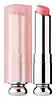
This lip moisturizer is formulated around Bis-Diglyceryl Polyacyladipate-2 and Vitis Vinifera Seed Oil to hydrate lips.
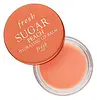
This lip moisturizer is formulated around Sucrose to hydrate lips.


What's inside
What's inside
 Key Ingredients
Benefits
Concerns
Ingredients Side-by-side
Isononyl Isononanoate
EmollientC10-30 Cholesterol/Lanosterol Esters
Emulsifying

Bis-Diglyceryl Polyacyladipate-2
Emollient
Cera Microcristallina
Emulsion StabilisingPolybutene
Ethylene/Propylene/Styrene Copolymer
Glyceryl Behenate
Emollient
Prunus Armeniaca Kernel Oil
Masking


Butylene/Ethylene/Styrene Copolymer
Parfum
Masking


Ribes Nigrum Seed Oil
Emollient
Vitis Vinifera Seed Oil
Emollient
Mel Extract
MoisturisingSucrose Tetrastearate Triacetate
Emollient
Caramel
Cosmetic ColorantTocopherol
Antioxidant





Ascorbyl Palmitate
Antioxidant

Silica Silylate
Emollient
BHT
Antioxidant
Ammonium Glycyrrhizate
MaskingPolyglyceryl-2 Triisostearate
Emulsifying
Vanillin
Masking
Water
Skin ConditioningCI 77492
Cosmetic ColorantCI 77491
Cosmetic ColorantTrimethylolpropane Triisostearate
Emollient
CI 77499
Cosmetic ColorantPropyl Gallate
Antioxidant
Phenoxyethanol
Preservative
Limonene
Perfuming
Linalool
Perfuming
Citral
Perfuming
Benzyl Alcohol
Perfuming
Isononyl Isononanoate, C10-30 Cholesterol/Lanosterol Esters, Bis-Diglyceryl Polyacyladipate-2, Cera Microcristallina, Polybutene, Ethylene/Propylene/Styrene Copolymer, Glyceryl Behenate, Prunus Armeniaca Kernel Oil, Butylene/Ethylene/Styrene Copolymer, Parfum, Ribes Nigrum Seed Oil, Vitis Vinifera Seed Oil, Mel Extract, Sucrose Tetrastearate Triacetate, Caramel, Tocopherol, Ascorbyl Palmitate, Silica Silylate, BHT, Ammonium Glycyrrhizate, Polyglyceryl-2 Triisostearate, Vanillin, Water, CI 77492, CI 77491, Trimethylolpropane Triisostearate, CI 77499, Propyl Gallate, Phenoxyethanol, Limonene, Linalool, Citral, Benzyl Alcohol
Polyglyceryl-2 Triisostearate
Emulsifying
Caprylic/Capric/Myristic/Stearic Triglyceride
EmollientSynthetic Beeswax
Emulsion Stabilising
Phytosteryl/Octyldodecyl Lauroyl Glutamate
Skin ConditioningDimer Dilinoleyl Dimer Dilinoleate
EmollientMangifera Indica Seed Butter
Skin Conditioning
Sucrose
Humectant
Cera Microcristallina
Emulsion StabilisingPolyethylene
Abrasive
C20-40 Alcohols
EmulsifyingEthylhexyl Palmitate
Emollient
Decyloxazolidinone
AntimicrobialParfum
Masking
Luffa Cylindrica Seed Oil
Skin Conditioning
Vanillin
Masking
Diisostearyl Malate
EmollientTrimethylolpropane Triisostearate
Emollient
BHT
Antioxidant
Tocopherol
Antioxidant
Benzyl Alcohol
Perfuming
Limonene
Perfuming
Propyl Gallate
Antioxidant
CI 12085
Cosmetic ColorantCI 15850
Cosmetic ColorantCI 15985
Cosmetic ColorantCI 19140
Cosmetic ColorantCI 42090
Cosmetic ColorantCI 45380
Cosmetic ColorantCI 45410
Cosmetic ColorantCI 73360
Cosmetic ColorantCI 77891
Cosmetic ColorantCI 77163
Cosmetic Colorant
CI 77491
Cosmetic ColorantCI 77492
Cosmetic ColorantCI 77499
Cosmetic ColorantCI 77742
Cosmetic ColorantPolyglyceryl-2 Triisostearate, Caprylic/Capric/Myristic/Stearic Triglyceride, Synthetic Beeswax, Phytosteryl/Octyldodecyl Lauroyl Glutamate, Dimer Dilinoleyl Dimer Dilinoleate, Mangifera Indica Seed Butter, Sucrose, Cera Microcristallina, Polyethylene, C20-40 Alcohols, Ethylhexyl Palmitate, Decyloxazolidinone, Parfum, Luffa Cylindrica Seed Oil, Vanillin, Diisostearyl Malate, Trimethylolpropane Triisostearate, BHT, Tocopherol, Benzyl Alcohol, Limonene, Propyl Gallate, CI 12085, CI 15850, CI 15985, CI 19140, CI 42090, CI 45380, CI 45410, CI 73360, CI 77891, CI 77163, CI 77491, CI 77492, CI 77499, CI 77742
Reviews
Ingredients Explained
These ingredients are found in both products.
Ingredients higher up in an ingredient list are typically present in a larger amount.
Benzyl Alcohol is an aromatic alcohol with several roles: it's a preservative, solvent, and mild fragrance component with a floral scent.
This ingredient has been deemed safe for use in cosmetic formulations at concentrations up to 5%, and up to 10% in hair dyes. You'll typically see 0.5-2% in most rinse-off or leave-on products.
As a preservative, it works by disrupting the membrane of microbial proteins. This helps keep bacteria and fungi from growing in your products.
The sensitization picture is actually quite assuring as well:of nearly 71,000 patients patch tested with benzyl alcohol, only 0.21% showed a positive reaction with most of them being weakly positive.
This led researchers to conclude that benzyl alcohol cannot be regarded as a significant contact allergen.
It is worth noting this ingredient is classified as one of the EU's regulated fragrance allergens and restricted to 1% in finished products.
Labels must also declare it in concentrations above 0.001% in leave-on products and 0.01% in rinse-off products.
At concentrations around 5%, localized redness and itching can appear as a direct irritant response and not as a true allergic reaction.
Learn more about Benzyl AlcoholBHT is a synthetic antioxidant and preservative.
As an antioxidant, it helps your body fight off free-radicals. Free-radicals are molecules that may damage your skin cells.
As a preservative, it is used to stabilize products and prevent them from degrading. Specifically, BHT prevents degradation from oxidation.
The concerns related to BHT come from oral studies; this ingredient is currently allowed for use by both the FDA and EU.
However, it was recently restricted for use in the UK as of April 2024.
Learn more about BHTCera Microcristallina, aka microcrystalline wax, is a petroleum-derived wax that helps thicken texture and stabilize the oils in formulas.
It also has mild occlusive properties that creates a film on skin to slow down water loss.
The CIR Expert Panel has concluded this ingredient to be safe as used in cosmetics.
This ingredient is refined to a cosmetic grade with high purity. It is chemically inert, stable, and doesn't clog pores (petroleum has a comedogenic rating of 0).
Malassezia feeds on fatty acids roughly in the C11-24 range and this ingredient contains none of those. Since there's no plausible food source for it here, this ingredient is fungal acne safe.
Learn more about Cera MicrocristallinaCi 77491 is also hydrated iron III oxide. It's sole purpose is to give a red/pink hue to products.
Iron III oxides are classified as inorganic chemicals for coloring.
Synthetically created Ci 77491 is considered safer than those naturally found. This is because the synthetically created version may contain less impurities. Iron oxides are generally non-toxic and non-allergenic.
Learn more about CI 77491CI 77492 is also hydrated iron III oxide. It's sole purpose is to give a yellow hue to products.
Iron III oxides are classified as inorganic chemicals for coloring.
Synthetically created CI 77492 is considered safer than those naturally found. This is because the synthetically created version may contain less impurities. Iron oxides are generally non-toxic and non-allergenic.
Learn more about CI 77492Ci 77499 is also hydrated iron III oxide. It is created from mixing red and black iron oxides. This helps give shades of darkness to a product.
Iron III oxides are classified as inorganic chemicals for coloring.
Limonene is the compound that gives citrus peel its smell.
In skincare, it shows up as a standalone fragrance ingredient or as a natural compound of citrus and other essential oils.
You'll typically see this ingredient used in very small amounts; anything above 0.001% in a leave-on product or 0.01% in a rinse-off has to be named on the label in the EU. The citrus oils that carry it sit around 0.5-1% in a finished formula.
Fresh limonene is a weak allergen; the real issue is that it slowly reacts with air and then breaks down from oxidation to create hydroperoxides (which are strong sensitizers). This is why suppliers are required to keep the peroxide value below 20 mmol.
Positive reactions in people being investigated for eczema vary:
It's worth skipping if you have a known fragrance allergy or a compromised barrier, but the risk is low for most people.
Older or long-opened products are also more likely to bother you than fresh ones due to oxidation.
Learn more about LimoneneParfum is a catch-all term for an ingredient or more that is used to give a scent to products.
Also called "fragrance", this ingredient can be a blend of hundreds of chemicals or plant oils. This means every product with "fragrance" or "parfum" in the ingredients list is a different mixture.
For instance, Habanolide is a proprietary trade name for a specific aroma chemical. When used as a fragrance ingredient in cosmetics, most aroma chemicals fall under the broad labeling category of “FRAGRANCE” or “PARFUM” according to EU and US regulations.
The term 'parfum' or 'fragrance' is not regulated in many countries. In many cases, it is up to the brand to define this term.
For instance, many brands choose to label themselves as "fragrance-free" because they are not using synthetic fragrances. However, their products may still contain ingredients such as essential oils that are considered a fragrance by INCI standards.
One example is Calendula flower extract. Calendula is an essential oil that still imparts a scent or 'fragrance'.
Depending on the blend, the ingredients in the mixture can cause allergies and sensitivities on the skin. Some ingredients that are known EU allergens include linalool and citronellol.
Parfum can also be used to mask or cover an unpleasant scent.
The bottom line is: not all fragrances/parfum/ingredients are created equally. If you are worried about fragrances, we recommend taking a closer look at an ingredient. And of course, we always recommend speaking with a professional.
Learn more about ParfumPolyglyceryl-2 Triisostearate is a plant-derived emulsifier and pigment-dispersing agent with a non-sticky skin feel.
It helps products glide on smoothly and prevents oil and water from separating in a formula, making it suitable for sunscreen and makeup formulations.
The EU inventory of cosmetics has no use restrictions on this ingredient and it is considered well-tolerated.
This ingredient may not be fungal acne safe because it is derived from isostearic acid.
Learn more about Polyglyceryl-2 TriisostearatePropyl Gallate is a synthetic antioxidant. It works by protecting the oils, fats, and fragrance compounds in a formula from going rancid through oxidation, helping the product stay stable and effective for longer.
The Cosmetic Ingredient Review Expert Panel recommends keeping Propyl Gallate at or below 0.1% due to potential sensitization at higher levels, and most formulas stay within that limit.
We flag Propyl Gallate as both a general irritant and a lip irritant because direct skin contact can trigger redness or allergic contact dermatitis. The more sensitive skin on and around the lips is prone to reacting.
Learn more about Propyl GallateTocopherol is a fat-soluble antioxidant known as Vitamin E.
You'll find this ingredient in the vast majority of skincare (for good reason). It works to neutralize free radicals, or unstable molecules generated by UV exposure, pollution, and other environmental stressors, before they can cause oxidative damage to your skin cells.
Topically applied tocopherol has been shown to protect against UV damage by ramping up the skin's own natural defense enzymes.
It also acts as a skin conditioning agent; some studies show that regular topical use can improve the skin's water-binding capacity over 2-4 weeks.
This ingredient is especially loved for being a team player. When combined with Vitamin C, the photoprotective effect of both ingredients roughly doubles and the combo also helps reduce UV-induced DNA damage.
This ingredient has some brightening potential but it's more of a prevention ingredient than spot-fader. Cell studies show it can slow down melanin production but it's worth noting that it's not the most powerful brightener out there.
In formulations, it also serves as a stabilizer that helps protect other oxidation-prone ingredients from degrading.
Concentrations usually range from 0.1-1% in most leave-on products.
Learn more about TocopherolThis ingredient comes from trimethylolpropane and isostearic acid. It has emollient and skin conditioning properties.
According to a manufacturer, this ingredient provides a non-tacky, light, glossy feeling on the skin.
Due to its isotearic acid base, this ingredient may not be fungal-acne safe.
Learn more about Trimethylolpropane TriisostearateVanillin is the main compound of the vanilla bean. It is naturally occuring but can also be artificially created.
This ingredient exhibits antioxidant properties but is also a known skin-irritant.
Vanillism is the term of contact-dermatitis associated with the vanilla plant. The sap of the vanilla plant triggers skin irritation, swelling, and redness.
Learn more about Vanillin

