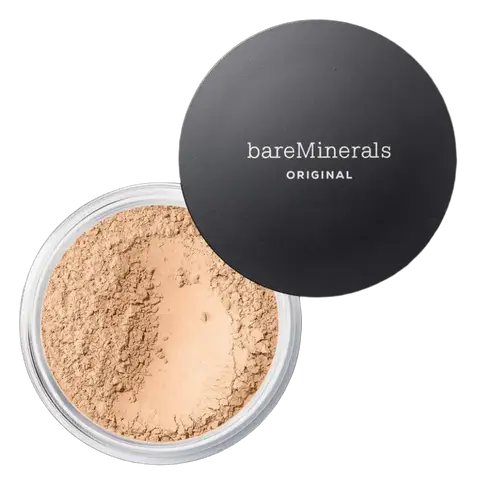
Fenty Beauty Pro Filt’r Soft Matte Longwear Liquid Foundation Versus NARS Cosmetics Sheer Glow Foundation


What's inside
What's inside
 Key Ingredients
Benefits
Concerns
Ingredients Side-by-side
Water
Skin ConditioningDimethicone
Emollient

Talc
Abrasive
PEG-10 Dimethicone
Skin Conditioning
Trimethylsiloxysilicate
Emollient
Polypropylene
Isododecane
EmollientCetyl PEG/PPG-10/1 Dimethicone
Emulsifying
Nylon-12


Hdi/Trimethylol Hexyllactone Crosspolymer
Phenoxyethanol
Preservative
Sodium Chloride
MaskingHydrogen Dimethicone
Glycerin
Humectant

Magnesium Sulfate
Sodium Dehydroacetate
Preservative
Disteardimonium Hectorite
StabilisingAluminum Hydroxide
EmollientMethicone
Emollient
Benzoic Acid
Masking
Dehydroacetic Acid
Preservative
Propylene Carbonate
SolventEthylhexylglycerin
Skin ConditioningParfum
Masking


Silica
Abrasive
Biosaccharide Gum-4
Skin Conditioning
Ananas Sativus Fruit Extract
Skin ConditioningCarica Papaya Fruit Extract
Skin ConditioningPaullinia Cupana Seed Extract
Skin ConditioningPotassium Sorbate
Preservative
Sorbic Acid
Preservative
Water, Dimethicone, Talc, PEG-10 Dimethicone, Trimethylsiloxysilicate, Polypropylene, Isododecane, Cetyl PEG/PPG-10/1 Dimethicone, Nylon-12, Hdi/Trimethylol Hexyllactone Crosspolymer, Phenoxyethanol, Sodium Chloride, Hydrogen Dimethicone, Glycerin, Magnesium Sulfate, Sodium Dehydroacetate, Disteardimonium Hectorite, Aluminum Hydroxide, Methicone, Benzoic Acid, Dehydroacetic Acid, Propylene Carbonate, Ethylhexylglycerin, Parfum, Silica, Biosaccharide Gum-4, Ananas Sativus Fruit Extract, Carica Papaya Fruit Extract, Paullinia Cupana Seed Extract, Potassium Sorbate, Sorbic Acid
Water
Skin ConditioningDimethicone
Emollient
Triethylhexanoin
MaskingButylene Glycol
Humectant
Glycerin
Humectant
Isostearic Acid
Cleansing

Polymethylsilsesquioxane
PEG-10 Dimethicone
Skin Conditioning
Disteardimonium Hectorite
StabilisingDimethicone/Vinyl Dimethicone Crosspolymer
Skin Conditioning
Bis-Butyldimethicone Polyglyceryl-3
Cleansing
Sodium Glutamate
MaskingSorbitan Sesquiisostearate
Emulsifying
Paeonia Albiflora Root Extract
Skin ConditioningCurcuma Longa Root Extract
Masking
Polysilicone-2
Aluminum Hydroxide
EmollientTocopherol
Antioxidant





1-Methylhydantoin-2-Imide
Skin ConditioningAscorbyl Glucoside
Antioxidant
Glucosyl Hesperidin
HumectantPhenoxyethanol
Preservative
Sodium Dehydroacetate
Preservative
Benzoic Acid
Masking
Iron Oxides
CI 77891
Cosmetic ColorantWater, Dimethicone, Triethylhexanoin, Butylene Glycol, Glycerin, Isostearic Acid, Polymethylsilsesquioxane, PEG-10 Dimethicone, Disteardimonium Hectorite, Dimethicone/Vinyl Dimethicone Crosspolymer, Bis-Butyldimethicone Polyglyceryl-3, Sodium Glutamate, Sorbitan Sesquiisostearate, Paeonia Albiflora Root Extract, Curcuma Longa Root Extract, Polysilicone-2, Aluminum Hydroxide, Tocopherol, 1-Methylhydantoin-2-Imide, Ascorbyl Glucoside, Glucosyl Hesperidin, Phenoxyethanol, Sodium Dehydroacetate, Benzoic Acid, Iron Oxides, CI 77891
Reviews
Ingredients Explained
These ingredients are found in both products.
Ingredients higher up in an ingredient list are typically present in a larger amount.
Aluminum Hydroxide is a form of aluminum. It can be naturally found in nature as the mineral gibbsite. In cosmetics, Aluminum Hydroxide is used as a colorant, pH adjuster, and absorbent.
As a colorant, Aluminum Hydroxide may add opacity, or reduce the transparency. Aluminum hydroxide is contains both basic and acidic properties.
According to manufacturers, this ingredient is an emollient and humectant. This means it helps hydrate the skin.
In medicine, this ingredient is used to help relieve heartburn and help heal ulcers.
There is currently no credible scientific evidence linking aluminum hydroxide in cosmetics to increased cancer risk.
Major health organizations allow the use of aluminum hydroxide in personal care products and have not flagged it as a carcinogenic risk at typical usage levels.
Learn more about Aluminum HydroxideBenzoic Acid is an organic acid that shows up in cosmetics as a preservative. It helps keep a product from spoiling by holding back the growth of yeast, mold, and some bacteria.
This ingredient also functions as a fragrance ingredient that helps mask the unpleasant scent of other ingredients.
The way it works is worth understanding; benzoic acid works when the formula is acidic. It is able to sneak into a microbe's cell and mess up how it functions to stop it from growing in an acidic product.
However, the acid switches to an inactive form and stops working if a product isn't acidic enough (above ~5 pH). This is why you'll often see it in low pH products or teamed up with other preservatives to cover the gap.
Safety wise, it's one of the better studied preservatives out there.
The Cosmetic Ingredient Review Expert Panel has concluded this ingredient to be safe for use in cosmetic formulations at concentrations up to 5%.
A large international review found this ingredient had no effects on the human body and had low irritation potential.
Just so you know, real world use is usually much lower than the 5% ceiling (usually 1% of less).
The EU caps it at 2.5% in rinse-off products, 1.7% in oral care, and 0.5% in leave-on products.
One thing worth mentioning (it's nothing to worry about): some people get a little stinging or flushing where they apply it. This isn't a true allergy; it's a temporary and harmless reaction. This is the same kind of mild tingle you might notice from sorbic acid.
Learn more about Benzoic AcidDimethicone is a type of synthetic silicone created from natural materials such as quartz. It is also known as polydimethylsiloxane.
What it does:
Dimethicone comes in different viscosities:
Depending on the viscosity, dimethicone has different properties.
Ingredients lists don't always show which type is used, so we recommend reaching out to the brand if you have questions about the viscosity.
This ingredient is unlikely to cause irritation because it does not get absorbed into skin. However, people with silicone allergies should be careful about using this ingredient.
Note: Dimethicone may contribute to pilling. This is because it is not oil or water soluble, so pilling may occur when layered with products. When mixed with heavy oils in a formula, the outcome is also quite greasy.
Learn more about DimethiconeDisteardimonium Hectorite comes from the clay mineral named hectorite. It is used to add thickness to a product.
It can also help stabilize a product by helping to disperse other ingredients.
Hectorite is a rare, white clay mineral.
Learn more about Disteardimonium HectoriteGlycerin (or glycerol) is a compound naturally found in your skin. It's a powerhouse humectant that pulls water into the stratum corneum.
Topically, glycerin does several things at once:
Your skin makes glycerin on its own (mostly from sebaceous oil breakdown) and shuttles it to your outermost layer of skin, or your epidermis, via aquaporin-3.
Aquaporin-3 is a transporter that is essential for normal skin hydration, elasticity, and repair. Interestingly, mice lacking in AQP3 have dry and less elastic skin that can be fully corrected with glycerin.
This ingredient is non-irritating, plays well with almost every ingredient, and works across all skin types. Typical use is anywhere between 3-10% but can go up to 79% in some leave-on products.
Just know very high concentrations (>40%) can feel tacky in low humidity.
Glycerin is the name for this ingredient in American English. British English uses Glycerol/Glycerine.
Learn more about GlycerinPeg-10 Dimethicone is silicone with conditioner and emulsifier properties. It mostly acts as an emollient in skincare and and humectant in haircare.
According to the manufacturer, acidic formulations decrease the stability of this ingredient. It works best in neutral or near neutral formulations.
Phenoxyethanol is one of the most widely used preservatives in skincare (and for good reason!).
It has a large spectrum of antimicrobial activity and especially effective bacteria, yeast, and mold while only having a weak effect on your skin's natural microbiome.
On a cellular level, it disrupts the cell membranes of microbes by poking holes that make the cell leak. This shuts down the chemical reactions the microbe needs to make energy so it can no longer survive.
Another perk of this ingredient is that it stays functional across a wide pH range (3-10).
You'll often see it paired with boosters like Ethylhexylglycerin; one study showed that a 1:9 ratio of Ethylhexylglycerin to Phenoxyethanol damages bacterial membranes as effectively as doubling the Phenoxyethanol concentration on its own.
Typical use concentrations range from 0.3-1% depending on the formula, and this ingredient is capped at 1% int the EU.
Safety-wise, the fear mongering does not hold up to the evidence. The EU's Scientific Committee on Consumer Safety and FDA consider it safe as a preservative at up to 1%, including for children of all ages.
Adverse systemic effects only showed up in animal studies at exposures roughly 200x higher than what people get from cosmetics. And despite its very widespread use, this ingredient is a rare sensitizer and allergic reactions are uncommon.
Learn more about PhenoxyethanolSodium Dehydroacetate is a synthetic preservative and sodium salt form of dehydroacetic acid. It stops bacteria, mold, and yeast from growing in your products at low concentrations.
Clinical testing found it to be non-irritating, non-sensitizing, and non-photosensitizing. It's also not significantly absorbed through skin.
There are a very small number of reported cases of contact dermatitis in cases linked to wound-care creams used over compromised skin (rather than skincare).
Overall, this is a well-studied and low-risk preservative just doing its job.
Typical concentrations run up to 0.6%, which is also the maximum amount permitted under both EU CosIng regulations and US FDA guidelines.
Learn more about Sodium DehydroacetateWater. It's the most common cosmetic ingredient of all. You'll usually see it at the top of ingredient lists, meaning that it makes up the largest part of the product.
So why is it so popular? Water most often acts as a solvent - this means that it helps dissolve other ingredients into the formulation.
You'll also recognize water as that liquid we all need to stay alive. If you see this, drink a glass of water. Remember to stay hydrated!
Learn more about Water