Fenty Beauty Cheeks Out Freestyle Cream Bronzer Versus Merit Beauty Bronze Balm Sheer Sculpting Bronzer

What's inside
What's inside
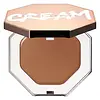 Key Ingredients
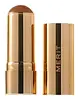
Benefits
Concerns
Ingredients Side-by-side
Octyldodecanol
Emollient
Isononyl Isononanoate
EmollientCaprylic/Capric Triglyceride
Masking


Synthetic Fluorphlogopite
Pentaerythrityl Tetraisostearate
Emollient

Dicalcium Phosphate
Abrasive
Synthetic Wax
Abrasive
Polyethylene
Abrasive
Bis-Diglyceryl Polyacyladipate-2
Emollient
Silica Silylate
Emollient
Nylon-12

Mica
Cosmetic ColorantEuphorbia Cerifera Cera
Astringent
Disteardimonium Hectorite
StabilisingTocopheryl Acetate
Antioxidant


Pentaerythrityl Tetra-Di-T-Butyl Hydroxyhydrocinnamate
Antioxidant
Talc
Abrasive
BHT
Antioxidant
Iron Oxides
CI 42090
Cosmetic ColorantCI 77891
Cosmetic ColorantOctyldodecanol, Isononyl Isononanoate, Caprylic/Capric Triglyceride, Synthetic Fluorphlogopite, Pentaerythrityl Tetraisostearate, Dicalcium Phosphate, Synthetic Wax, Polyethylene, Bis-Diglyceryl Polyacyladipate-2, Silica Silylate, Nylon-12, Mica, Euphorbia Cerifera Cera, Disteardimonium Hectorite, Tocopheryl Acetate, Pentaerythrityl Tetra-Di-T-Butyl Hydroxyhydrocinnamate, Talc, BHT, Iron Oxides, CI 42090, CI 77891
Octyldodecyl Myristate
EmollientIsononyl Isononanoate
EmollientPentaerythrityl Tetraisostearate
Emollient
Synthetic Wax
Abrasive
Diisostearyl Malate
EmollientSynthetic Fluorphlogopite
Silica
Abrasive
Bis-Diglyceryl Polyacyladipate-2
Emollient
Diisostearoyl Polyglyceryl-3 Dimer Dilinoleate
Emollient
Caprylic/Capric Glycerides
EmollientCaprylic/Capric Triglyceride
Masking
Sorbitan Isostearate
Emulsifying
Microcrystalline Wax
Emulsion StabilisingEthylene/Propylene Copolymer
Abrasive
Polyglyceryl-2 Triisostearate
Emulsifying
Lecithin
Emollient
Methicone
Emollient
Triethoxycaprylylsilane
Aluminum Hydroxide
EmollientWater
Skin ConditioningBHT
Antioxidant
Titanium Dioxide
Cosmetic Colorant
CI 77492
Cosmetic ColorantCI 77491
Cosmetic ColorantCI 77499
Cosmetic ColorantOctyldodecyl Myristate, Isononyl Isononanoate, Pentaerythrityl Tetraisostearate, Synthetic Wax, Diisostearyl Malate, Synthetic Fluorphlogopite, Silica, Bis-Diglyceryl Polyacyladipate-2, Diisostearoyl Polyglyceryl-3 Dimer Dilinoleate, Caprylic/Capric Glycerides, Caprylic/Capric Triglyceride, Sorbitan Isostearate, Microcrystalline Wax, Ethylene/Propylene Copolymer, Polyglyceryl-2 Triisostearate, Lecithin, Methicone, Triethoxycaprylylsilane, Aluminum Hydroxide, Water, BHT, Titanium Dioxide, CI 77492, CI 77491, CI 77499
Reviews
Ingredients Explained
These ingredients are found in both products.
Ingredients higher up in an ingredient list are typically present in a larger amount.
BHT is a synthetic antioxidant and preservative.
As an antioxidant, it helps your body fight off free-radicals. Free-radicals are molecules that may damage your skin cells.
As a preservative, it is used to stabilize products and prevent them from degrading. Specifically, BHT prevents degradation from oxidation.
The concerns related to BHT come from oral studies; this ingredient is currently allowed for use by both the FDA and EU.
However, it was recently restricted for use in the UK as of April 2024.
Learn more about BHTBis-Diglyceryl Polyacyladipate-2 is a synthetic emollient that works as a lanolin substitute.
This ingredient is a great vegan option for those avoiding animal-derived ingredients.
It mostly stays on the surface of skin where it helps hydrate due to its large molecular size and low water solubility.
Due to it being derived from fatty acids, this ingredient may not be Malassezia or fungal acne safe.
Learn more about Bis-Diglyceryl Polyacyladipate-2Caprylic/Capric Triglyceride (aka MCT Oil) is a lightweight emollient, solvent, and texture enhancer. It is considered a skin-softener by helping to prevent moisture loss.
Though it behaves like an oil, it is not technically one due to its chemical composition. One perk of this ingredient is that it is very stable, resistant to oxidation, and unlikely to go rancid.
In practice, that translates to a long shelf life and a consistently elegant skin feel.
While there is an assumption Caprylic Triglyceride can clog pores due to it being derived from coconut oil, there is no research supporting this. Just patch test if you have concerns.
Fractionated coconut oil and MCT Oil are both listed as Caprylic/Capric Triglyceride according to INCI. This is because INCI names are based on the ingredient’s final chemical composition and not its marketing name or source.
This ingredient is treated as the gold standard fungal acne safe oil. Even though it is coconut derived, the problematic lauric acid is stripped out.
This leaves just caprylic (C8) and capric (C10) acid. These chain lengths actually trend antifungal; a 2020 study found caprylic acid was enough to disrupt Malassezia furfur cell membrane, with a caprylic acid derivative damaging membrane structures at concentrations as low as 0.2%.
Learn more about Caprylic/Capric TriglycerideIsononyl Isononanoate is a synthetic skin-conditioner and texture enhancer. It is created from nonanoic acid, a fatty acid found in cocoa and lavender oil.
As an emollient, Isononyl Isononanoate helps keep your skin soft and smooth. This is because emollients create a barrier on the skin to trap moisture in.
Isononyl Isononanoate helps give products a velvet feel and improves spreadability.
Learn more about Isononyl IsononanoatePentaerythrityl Tetraisostearate is a synthetic emollient and "skin-feel" ingredient that spreads well and leaves a non-sticky finish with high gloss.
In makeup, it also doubles as a pigment-wetting agent for better color payoff.
It's a well-vetted ingredient for safety and does not penetrate into skin due to its large molecule size.
Because it's a long-chain fatty acid ester, this ingredient may not be fungal acne or Malassezia safe.
Learn more about Pentaerythrityl TetraisostearateSynthetic Fluorphlogopite is the synthethic version of mica. It consists of fluorine, aluminum and silicate.
Synthetic Fluorphlogopite is used to add volume to products.
It is considered non-irritating on the skin.
Learn more about Synthetic FluorphlogopiteSynthetic Wax is a manufactured hydrocarbon wax. In formulas, it works as an occlusive emollient that helps reduce water loss and improves the spreadability of products.
Research comparing synthetic wax to traditional mineral-derived products found that formulas containing it perform as well for skin hydration.
It is considered non-comedogenic and vegan-friendly.
This ingredient has a well-established safety record by the CIR Expert Panel for Cosmetic Ingredient Safety.
Synthetic Waxes are straight/branched-chain hydrocarbons with no ester bond or fatty acids. That means there is nothing for the Malassezia yeast to feed on.
Learn more about Synthetic Wax

