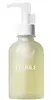
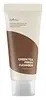
This mild gel cleanser is made to cleanse while calming and soothing your skin.
This mild gel cleanser is made to cleanse while calming and soothing your skin.

What's inside
What's inside
 Key Ingredients
Benefits
Concerns
No concerns
Ingredients Side-by-side
Vaccinium Angustifolium Fruit Extract
Skin Protecting
Disodium Cocoamphodiacetate
CleansingLauryl Glucoside
CleansingSodium Lauroyl Glutamate
SurfactantPropanediol
Solvent

Sorbitan Caprylate
EmulsifyingSorbitol
Humectant
Citric Acid
Buffering


Glycerin
Humectant
Niacinamide
Smoothing







Pyridoxine Hcl
Skin ConditioningAloe Barbadensis Leaf Extract
Emollient
Bioflavonoids
Skin ConditioningCellulose Gum
Emulsion StabilisingSodium Hyaluronate
Humectant
Brassica Oleracea Italica Extract
AstringentCedrus Atlantica Bark Oil
Masking




Lavandula Angustifolia Oil
Masking
Jasminum Sambac Flower Extract
Masking
Vaccinium Angustifolium Fruit Extract, Disodium Cocoamphodiacetate, Lauryl Glucoside, Sodium Lauroyl Glutamate, Propanediol, Sorbitan Caprylate, Sorbitol, Citric Acid, Glycerin, Niacinamide, Pyridoxine Hcl, Aloe Barbadensis Leaf Extract, Bioflavonoids, Cellulose Gum, Sodium Hyaluronate, Brassica Oleracea Italica Extract, Cedrus Atlantica Bark Oil, Lavandula Angustifolia Oil, Jasminum Sambac Flower Extract
Water
Skin ConditioningGlycerin
Humectant
Sodium Cocoyl Alaninate
Surfactant
Disodium Cocoamphodiacetate
CleansingButylene Glycol
Humectant
Sodium Methyl Cocoyl Taurate
Cleansing
1,2-Hexanediol
Skin Conditioning
Lauryl Hydroxysultaine
CleansingXanthan Gum
EmulsifyingSodium Chloride
MaskingCaprylyl Glycol
Emollient
Acrylates/C10-30 Alkyl Acrylate Crosspolymer
Emulsion StabilisingCamellia Sinensis Leaf Powder
Camellia Sinensis Leaf
Perfuming
Camellia Sinensis Leaf Extract
Antimicrobial
Sodium Phytate
ChelatingMalt Extract
Skin ProtectingHexylene Glycol
EmulsifyingOenothera Biennis Flower Extract
AstringentPinus Palustris Leaf Extract
TonicPueraria Thunbergiana Root Extract
Skin ConditioningUlmus Davidiana Root Extract
Skin Conditioning
Ethylhexylglycerin
Skin ConditioningHydrolyzed Glycosaminoglycans
HumectantPropanediol
Solvent
Sodium Hyaluronate Crosspolymer
Humectant
Sodium Hyaluronate
Humectant
Benzyl Glycol
SolventHydrolyzed Hyaluronic Acid
Humectant
Hyaluronic Acid
Humectant
Water, Glycerin, Sodium Cocoyl Alaninate, Disodium Cocoamphodiacetate, Butylene Glycol, Sodium Methyl Cocoyl Taurate, 1,2-Hexanediol, Lauryl Hydroxysultaine, Xanthan Gum, Sodium Chloride, Caprylyl Glycol, Acrylates/C10-30 Alkyl Acrylate Crosspolymer, Camellia Sinensis Leaf Powder, Camellia Sinensis Leaf, Camellia Sinensis Leaf Extract, Sodium Phytate, Malt Extract, Hexylene Glycol, Oenothera Biennis Flower Extract, Pinus Palustris Leaf Extract, Pueraria Thunbergiana Root Extract, Ulmus Davidiana Root Extract, Ethylhexylglycerin, Hydrolyzed Glycosaminoglycans, Propanediol, Sodium Hyaluronate Crosspolymer, Sodium Hyaluronate, Benzyl Glycol, Hydrolyzed Hyaluronic Acid, Hyaluronic Acid
Reviews
Ingredients Explained
These ingredients are found in both products.
Ingredients higher up in an ingredient list are typically present in a larger amount.
Disodium Cocoamphodiacetate is a surfactant and helps cleanse skin. It is created from the fatty acids of coconut oil.
Surfactants help rinse oil, dirt, and other pollutants easily from skin. It has a faint fruit-like scent.
Glycerin (or glycerol) is a compound naturally found in your skin. It's a powerhouse humectant that pulls water into the stratum corneum.
Topically, glycerin does several things at once:
Your skin makes glycerin on its own (mostly from sebaceous oil breakdown) and shuttles it to your outermost layer of skin, or your epidermis, via aquaporin-3.
Aquaporin-3 is a transporter that is essential for normal skin hydration, elasticity, and repair. Interestingly, mice lacking in AQP3 have dry and less elastic skin that can be fully corrected with glycerin.
This ingredient is non-irritating, plays well with almost every ingredient, and works across all skin types. Typical use is anywhere between 3-10% but can go up to 79% in some leave-on products.
Just know very high concentrations (>40%) can feel tacky in low humidity.
Glycerin is the name for this ingredient in American English. British English uses Glycerol/Glycerine.
Learn more about GlycerinPropanediol is an all-star ingredient. It softens, hydrates, and smooths the skin.
It’s often used to:
Propanediol is not likely to cause sensitivity and considered safe to use. It is derived from corn or petroleum with a clear color and no scent.
Learn more about PropanediolSodium Hyaluronate is the salt form of hyaluronic acid. It is a long sugar chain that is naturally found in your skin, joints, and connective tissue that maintains hydration and elasticity.
In skincare, it works as a humectant. It pulls water from the environment and deeper layers of skin and binds it to the surface.
Interestingly, the size of the molecule affects its behavior:
Some clinical evidence links low molecular weight versions to improved wrinkle depth, elasticity, anti-inflammatory effects, and barrier repair.
Many serums use a blend of both weights so you can get surface hydration plus longer-lasting and deeper effects.
You'll typically see concentrations between 0.1-2% for this ingredient.
Learn more about Sodium Hyaluronate

