

What's inside
What's inside
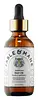 Key Ingredients
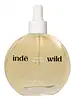
Benefits
Concerns
Ingredients Side-by-side
Caprylic/Capric Triglyceride
Masking


Carthamus Tinctorius Seed Oil
Masking


Parfum
Masking



Sesamum Indicum Seed Oil
Emollient
Withania Somnifera Root Extract
Skin Conditioning
Phyllanthus Emblica Fruit Extract
HumectantBacopa Monnieri Leaf Extract
Skin ConditioningEclipta Prostrata Extract
Skin Conditioning
Simmondsia Chinensis Seed Oil
Emollient
Ricinus Communis Seed Oil
Masking
Pueraria Lobata Root Extract
HumectantTribulus Terrestris Root Extract
Skin ConditioningStereospermum Suaveolens Root Extract
Skin ConditioningSolanum Xanthocarpum Root Extract
MaskingSolanum Indicum Root Extract
Skin ConditioningPremna Serratifolia Root Extract
Skin ConditioningGlycyrrhiza Glabra Root Extract
Bleaching


Beta-Sitosterol
Emulsion Stabilising
Gmelina Arborea Root Extract
Skin ConditioningDesmodium Gangeticum Root Extract
Skin ConditioningAegle Marmelos Root Extract
Skin ConditioningSqualene
Emollient
Olea Europaea Fruit Oil
Masking
Vitis Vinifera Seed Oil
Emollient
Tocopherol
Antioxidant


Phenoxyethanol
Preservative
Benzyl Salicylate
Perfuming
Isoeugenol
Perfuming
Linalool
Perfuming
Caprylic/Capric Triglyceride, Carthamus Tinctorius Seed Oil, Parfum, Sesamum Indicum Seed Oil, Withania Somnifera Root Extract, Phyllanthus Emblica Fruit Extract, Bacopa Monnieri Leaf Extract, Eclipta Prostrata Extract, Simmondsia Chinensis Seed Oil, Ricinus Communis Seed Oil, Pueraria Lobata Root Extract, Tribulus Terrestris Root Extract, Stereospermum Suaveolens Root Extract, Solanum Xanthocarpum Root Extract, Solanum Indicum Root Extract, Premna Serratifolia Root Extract, Glycyrrhiza Glabra Root Extract, Beta-Sitosterol, Gmelina Arborea Root Extract, Desmodium Gangeticum Root Extract, Aegle Marmelos Root Extract, Squalene, Olea Europaea Fruit Oil, Vitis Vinifera Seed Oil, Tocopherol, Phenoxyethanol, Benzyl Salicylate, Isoeugenol, Linalool
Cocos Nucifera Oil
Masking
Sesamum Indicum Seed Oil
Emollient
Ricinus Communis Seed Oil
Masking
Prunus Amygdalus Dulcis Oil
Skin Conditioning
Argania Spinosa Kernel Oil
Emollient
Parfum
Masking
Bacopa Monnieri Extract
Skin ConditioningPlant Ash Extract
Emblica Officinalis Fruit Extract
Skin ConditioningHibiscus Sabdariffa Flower Extract
Skin ConditioningCalendula Officinalis Flower Extract
Masking
Glycyrrhiza Glabra Root Extract
Bleaching
Ocimum Sanctum Leaf Extract
Skin ConditioningTrigonella Foenum Symbiosome Extract
Antioxidant
Melia Azadirachta Leaf Extract
Skin ConditioningRosmarinus Officinalis Extract
AntimicrobialGardenia Taitensis Flower
Skin ConditioningTocopherol
Antioxidant
Cocos Nucifera Oil, Sesamum Indicum Seed Oil, Ricinus Communis Seed Oil, Prunus Amygdalus Dulcis Oil, Argania Spinosa Kernel Oil, Parfum, Bacopa Monnieri Extract, Plant Ash Extract, Emblica Officinalis Fruit Extract, Hibiscus Sabdariffa Flower Extract, Calendula Officinalis Flower Extract, Glycyrrhiza Glabra Root Extract, Ocimum Sanctum Leaf Extract, Trigonella Foenum Symbiosome Extract, Melia Azadirachta Leaf Extract, Rosmarinus Officinalis Extract, Gardenia Taitensis Flower, Tocopherol
Reviews
Ingredients Explained
These ingredients are found in both products.
Ingredients higher up in an ingredient list are typically present in a larger amount.
Glycyrrhiza Glabra Root Extract is an extract of the roots of Licorice. It has been found to have several benefits such as skin hydrating, conditioning, and soothing.
One component, glabridin, has extra potent antioxidant and soothing properties. It has also been found to block pigmentation from UVB rays in guinea pigs.
Licorice Root also contains a flavonoid. Flavonoids are a natural substance from in plants. Flavonoids also have antioxidant properties.
Another component, glycyrrhizin, has been found to have anti-inflammatory and antimicrobial benefits. This may make licorice root extract effective at treating acne. However, more research is needed to support this.
Liquiritin is one of the flavone compounds found in licorice. It has been found to help lighten skin by preventing tyrosinase from reacting with tyrosine. When the two react, protein is converted to melanin. Melanin is the substance in your body that gives your features pigmentation.
Learn more about Glycyrrhiza Glabra Root ExtractParfum is a catch-all term for an ingredient or more that is used to give a scent to products.
Also called "fragrance", this ingredient can be a blend of hundreds of chemicals or plant oils. This means every product with "fragrance" or "parfum" in the ingredients list is a different mixture.
For instance, Habanolide is a proprietary trade name for a specific aroma chemical. When used as a fragrance ingredient in cosmetics, most aroma chemicals fall under the broad labeling category of “FRAGRANCE” or “PARFUM” according to EU and US regulations.
The term 'parfum' or 'fragrance' is not regulated in many countries. In many cases, it is up to the brand to define this term.
For instance, many brands choose to label themselves as "fragrance-free" because they are not using synthetic fragrances. However, their products may still contain ingredients such as essential oils that are considered a fragrance by INCI standards.
One example is Calendula flower extract. Calendula is an essential oil that still imparts a scent or 'fragrance'.
Depending on the blend, the ingredients in the mixture can cause allergies and sensitivities on the skin. Some ingredients that are known EU allergens include linalool and citronellol.
Parfum can also be used to mask or cover an unpleasant scent.
The bottom line is: not all fragrances/parfum/ingredients are created equally. If you are worried about fragrances, we recommend taking a closer look at an ingredient. And of course, we always recommend speaking with a professional.
Learn more about ParfumThis ingredient is also known as castor oil. It is a skin conditioning ingredient.
The star component of castor oil is ricinoleic acid, an unusual fatty acid that makes up ~80-92% of its composition.
In skincare, it is an emollient that dries down to a solid film with water-binding properties. This helps keep skin hydrated and helps reduce transepidermal water loss (TEWL).
A 2026 dermatology review pulls together its broader uses:
Human clinical testing found this ingredient to be non-irritating and non-sensitizing.
Because castor oil contains fatty acids in the C11-24 range, this ingredient may not be fungal acne safe.
At this time, the literature does not support castor oil in regrowing hair. A 2022 systematic review found no strong evidence that it supports hair growth and only weak evidence that it improves hair shine.
Castor oil itself carries "perfuming" and "masking" function tags according to the official CosIng database. This is because of its mild odor and odor-dampening properties.
Learn more about Ricinus Communis Seed OilSesamum Indicum Seed Oil is the cold-pressed oil from sesame seeds.
It is an emollient and skin conditioning agent made up of roughly 82-85% unsaturated fatty acids, mostly linoleic (~41%) and oleic acid (~39%).
This pairing gives it barrier-supporting and moisturizing properties. Linoleic acid, an essential omega-6 fatty acid, can be incorporated into complex skin lipids. Topical application has shown barrier repair, anti-inflammatory, and wound-healing effects in cell and animal studies.
Beyond fatty acids, sesame oil brings something more distinctive to the table:
It contains natural antioxidants sesamol, sesamolin, and gamma-tocopherol. These also give the oil notably high oxidative stability.
One of the oil's key lignans, sesamin, has also demonstrated anti-inflammatory activity in preclinical models.
A 2023 clinical study found that a single application of sesame seed oil to the forearms of 35 healthy women improved stratum corneum hydration (though it didn't outperform raspberry seed oil).
The comedogenic rating of 1-3 depends on the type of sesame oil; unrefined carries a rating of 3 while refined sesame oil drops to a 1.
Human testing has proved that any finished product with a comedogenic ingredient won't automatically make you break out; it really comes down to concentration, formula, and your skin.
This ingredient may not be safe for fungal acne as it contains fatty acids that can feed Malassezia.
Learn more about Sesamum Indicum Seed OilTocopherol is a fat-soluble antioxidant known as Vitamin E.
You'll find this ingredient in the vast majority of skincare (for good reason). It works to neutralize free radicals, or unstable molecules generated by UV exposure, pollution, and other environmental stressors, before they can cause oxidative damage to your skin cells.
Topically applied tocopherol has been shown to protect against UV damage by ramping up the skin's own natural defense enzymes.
It also acts as a skin conditioning agent; some studies show that regular topical use can improve the skin's water-binding capacity over 2-4 weeks.
This ingredient is especially loved for being a team player. When combined with Vitamin C, the photoprotective effect of both ingredients roughly doubles and the combo also helps reduce UV-induced DNA damage.
This ingredient has some brightening potential but it's more of a prevention ingredient than spot-fader. Cell studies show it can slow down melanin production but it's worth noting that it's not the most powerful brightener out there.
In formulations, it also serves as a stabilizer that helps protect other oxidation-prone ingredients from degrading.
Concentrations usually range from 0.1-1% in most leave-on products.
Learn more about Tocopherol

