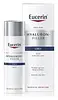
This anti-aging day moisturizer is formulated around Urea and Sodium Hyaluronate to soften the look of wrinkles and hydrate skin.
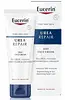
This barrier-repair day moisturizer is formulated around Urea and Ceramide NP to strengthen the skin barrier and hydrate skin.

What's inside
What's inside
 Key Ingredients
Benefits
Concerns
Ingredients Side-by-side
Water
Skin ConditioningGlycerin
Humectant


Cetearyl Alcohol
Emollient






Urea
Buffering

Butyl Methoxydibenzoylmethane
UV Absorber
Octocrylene
UV Absorber

Sodium Lactate
Buffering
Butylene Glycol Dicaprylate/Dicaprate
EmollientButyrospermum Parkii Butter
Skin Conditioning
Dimethicone
Emollient
Hydrogenated Coco-Glycerides
Emollient
Prunus Amygdalus Dulcis Oil
Skin Conditioning
Bis-Ethylhexyloxyphenol Methoxyphenyl Triazine
UV Absorber
Arginine Hcl
Skin ConditioningGlyceryl Stearate Se
Emulsifying
Polymethylsilsesquioxane
Sodium Hyaluronate
Humectant


Chondrus Crispus
Masking
Glycine Soja Germ Extract
Emollient1,2-Hexanediol
Skin Conditioning
C18-36 Acid Triglyceride
EmollientSodium Cetearyl Sulfate
Cleansing
Sodium Acrylates/C10-30 Alkyl Acrylate Crosspolymer
Polyglyceryl-3 Methylglucose Distearate
Emulsifying
BHT
Antioxidant
Trisodium EDTA
ChelatingLactic Acid
Buffering




Ethylhexylglycerin
Skin ConditioningPhenoxyethanol
Preservative
Water, Glycerin, Cetearyl Alcohol, Urea, Butyl Methoxydibenzoylmethane, Octocrylene, Sodium Lactate, Butylene Glycol Dicaprylate/Dicaprate, Butyrospermum Parkii Butter, Dimethicone, Hydrogenated Coco-Glycerides, Prunus Amygdalus Dulcis Oil, Bis-Ethylhexyloxyphenol Methoxyphenyl Triazine, Arginine Hcl, Glyceryl Stearate Se, Polymethylsilsesquioxane, Sodium Hyaluronate, Chondrus Crispus, Glycine Soja Germ Extract, 1,2-Hexanediol, C18-36 Acid Triglyceride, Sodium Cetearyl Sulfate, Sodium Acrylates/C10-30 Alkyl Acrylate Crosspolymer, Polyglyceryl-3 Methylglucose Distearate, BHT, Trisodium EDTA, Lactic Acid, Ethylhexylglycerin, Phenoxyethanol
Water
Skin ConditioningGlycerin
Humectant
Urea
Buffering
Caprylic/Capric Triglyceride
Masking
Pentaerythrityl Tetraisostearate
Emollient
Cetyl Alcohol
Emollient
Sodium Lactate
Buffering
Hydroxypropyl Starch Phosphate
Ceramide NP
Skin Conditioning

Lactic Acid
Buffering
Tocopherol
Antioxidant
Cholesterol
Emollient
Alanine
Masking
Carnitine
Cleansing
Glycine
Buffering
Sodium PCA
Humectant
Arginine Hcl
Skin ConditioningPhytosphingosine
Skin Conditioning
Potassium Cetyl Phosphate
EmulsifyingOleic Acid
Emollient
Xanthan Gum
Emulsifying1,2-Hexanediol
Skin Conditioning
Phenoxyethanol
Preservative
Sodium Chloride
MaskingWater, Glycerin, Urea, Caprylic/Capric Triglyceride, Pentaerythrityl Tetraisostearate, Cetyl Alcohol, Sodium Lactate, Hydroxypropyl Starch Phosphate, Ceramide NP, Lactic Acid, Tocopherol, Cholesterol, Alanine, Carnitine, Glycine, Sodium PCA, Arginine Hcl, Phytosphingosine, Potassium Cetyl Phosphate, Oleic Acid, Xanthan Gum, 1,2-Hexanediol, Phenoxyethanol, Sodium Chloride
Reviews
Ingredients Explained
These ingredients are found in both products.
Ingredients higher up in an ingredient list are typically present in a larger amount.
1,2-Hexanediol is a synthetic liquid and another multi-functional powerhouse.
It is a:
- Humectant, drawing moisture into the skin
- Emollient, helping to soften skin
- Solvent, dispersing and stabilizing formulas
- Preservative booster, enhancing the antimicrobial activity of other preservatives
We don't have a description for Arginine Hcl yet.
Glycerin (or glycerol) is a compound naturally found in your skin. It's a powerhouse humectant that pulls water into the stratum corneum.
Topically, glycerin does several things at once:
Your skin makes glycerin on its own (mostly from sebaceous oil breakdown) and shuttles it to your outermost layer of skin, or your epidermis, via aquaporin-3.
Aquaporin-3 is a transporter that is essential for normal skin hydration, elasticity, and repair. Interestingly, mice lacking in AQP3 have dry and less elastic skin that can be fully corrected with glycerin.
This ingredient is non-irritating, plays well with almost every ingredient, and works across all skin types. Typical use is anywhere between 3-10% but can go up to 79% in some leave-on products.
Just know very high concentrations (>40%) can feel tacky in low humidity.
Glycerin is the name for this ingredient in American English. British English uses Glycerol/Glycerine.
Learn more about GlycerinLactic Acid is another well-loved alpha hydroxy acid (AHA). It is gentler than glycolic acid but still highly effective.
Its main role is to exfoliate the surface of the skin by loosening the “glue” that holds dead skin cells together. Shedding those old cells leads to smoother, softer, and more even-toned skin.
Because lactic acid molecules are larger than glycolic acid, they don’t penetrate as deeply. This means they’re less likely to sting or irritate, making it a great choice for beginners or those with sensitive skin.
Like glycolic acid, it can:
Lactic acid also acts as a humectant (like hyaluronic acid). It can draw water into the skin to improve hydration and also plays a role in the skin's natural moisturizing factor (NMF) in the form of sodium lactate.
Studies show it can boost ceramide production to strengthen the skin barrier and even help balance the skin’s microbiome.
To get results, choose products with a pH between 3-4.
Lower strengths (5-12%) focus on surface exfoliation; higher strengths (12% and up) can reach deeper in the dermis (deeper, supportive layer) to improve skin texture and firmness over time.
Though it was originally derived from milk, most modern lactic acid used in skincare is vegan. It is made through non-dairy fermentation to create a bio-identical and stable form suitable for all formulations.
When lactic acid shows up near the end of an ingredient list, it usually means the brand added just a tiny amount to adjust the product’s pH.
Legend has it that Cleopatra used to bathe in sour milk to help reduce wrinkles.
Lactic acid is truly a gentle multitasker: it exfoliates, hydrates, strengthens, and brightens. It's a great ingredient for giving your skin a smooth, glowing, and healthy look without the harshness of stronger acids.
Read more about some other popular AHA's here:
Learn more about Lactic AcidPhenoxyethanol is one of the most widely used preservatives in skincare (and for good reason!).
It has a large spectrum of antimicrobial activity and especially effective bacteria, yeast, and mold while only having a weak effect on your skin's natural microbiome.
On a cellular level, it disrupts the cell membranes of microbes by poking holes that make the cell leak. This shuts down the chemical reactions the microbe needs to make energy so it can no longer survive.
Another perk of this ingredient is that it stays functional across a wide pH range (3-10).
You'll often see it paired with boosters like Ethylhexylglycerin; one study showed that a 1:9 ratio of Ethylhexylglycerin to Phenoxyethanol damages bacterial membranes as effectively as doubling the Phenoxyethanol concentration on its own.
Typical use concentrations range from 0.3-1% depending on the formula, and this ingredient is capped at 1% int the EU.
Safety-wise, the fear mongering does not hold up to the evidence. The EU's Scientific Committee on Consumer Safety and FDA consider it safe as a preservative at up to 1%, including for children of all ages.
Adverse systemic effects only showed up in animal studies at exposures roughly 200x higher than what people get from cosmetics. And despite its very widespread use, this ingredient is a rare sensitizer and allergic reactions are uncommon.
Learn more about PhenoxyethanolSodium Lactate is the sodium salt of lactic acid, an AHA. It is a humectant and sometimes used to adjust the pH of a product.
This ingredient is part of our skin's NMF, or natural moisturizing factor. Our NMF is essential for the hydration of our top skin layers and plasticity of skin. NMF also influences our skin's natural acid mantle and pH, which protects our skin from harmful bacteria.
High percentages of Sodium Lactate can have an exfoliating effect.
Fun fact: Sodium Lactate is produced from fermented sugar.
Learn more about Sodium LactateUrea is also called carbamide and is the diamide of carbonic acid. In cosmetics, urea is used to hydrate the skin. It also provides exfoliation in higher concentrations.
As a humectant, urea helps draw moisture from the air and from deep within the skin. This helps hydrate your skin. Studies show urea is an effective moisturizer for dry skin conditions. 40% urea is typical in medications for treating eczema and other skin conditions.
Urea has the strongest exfoliation effect in concentrations higher than 10%. It is a keratolytic agent, meaning it breaks down the keratin protein in the top layer of skin. This helps remove dead skin cells and flaking skin.
In medicine, urea has been shown to help increase the potency of other ingredients, such as fungal treatments.
Humans and animals use urea to metabolize nitrogen-containing compounds. Urea is highly soluble in water. Once dissolved, it is neither acidic nor alkaline.
Urea is actually one of the more well-studied and well-supported ingredients out there if you have eczema.
Clinical trials have shown that urea creams in the 5 - 10% range can:
Higher concentrations (20 -30%) can also help with thickened, scaly patches but is also more likely to sting on active flares.
Skip urea if you have rosacea. The AAD (American Academy of Dermatology) lists it alongside alcohol, menthol, and fragrance as a potential irritant for rosacea-prone skin. Urea's keratolytic and penetration-enhancing properties can trigger stinging, burning, and redness.
As always, your skin is unique, so definitely check in with your dermatologist.
Learn more about UreaWater. It's the most common cosmetic ingredient of all. You'll usually see it at the top of ingredient lists, meaning that it makes up the largest part of the product.
So why is it so popular? Water most often acts as a solvent - this means that it helps dissolve other ingredients into the formulation.
You'll also recognize water as that liquid we all need to stay alive. If you see this, drink a glass of water. Remember to stay hydrated!
Learn more about Water

