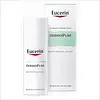
This oil-control moisturizer is formulated around Salicylic Acid and Carnitine to balance excess oil and clear breakouts.
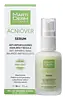
This oil-control serum is formulated around Silica and Niacinamide to balance excess oil and clear breakouts.


What's inside
What's inside
 Key Ingredients
Benefits
Concerns
Ingredients Side-by-side
Water
Skin ConditioningTapioca Starch
Glycerin
Humectant


Dimethicone
Emollient
Cetearyl Alcohol
Emollient






Salicylic Acid
Masking








Carnitine
Cleansing
Decylene Glycol
Skin ConditioningGlycyrrhiza Inflata Root Extract
Skin Conditioning
PEG-150 Distearate
Emulsifying
Ammonium Acryloyldimethyltaurate/Vp Copolymer
Sodium Stearoyl Glutamate
CleansingAcrylates/C10-30 Alkyl Acrylate Crosspolymer
Emulsion StabilisingXanthan Gum
EmulsifyingHydroxyethylcellulose
Emulsion StabilisingTrisodium EDTA
ChelatingSodium Hydroxide
BufferingSodium Chloride
MaskingPhenoxyethanol
Preservative
Parfum
Masking

Water, Tapioca Starch, Glycerin, Dimethicone, Cetearyl Alcohol, Salicylic Acid, Carnitine, Decylene Glycol, Glycyrrhiza Inflata Root Extract, PEG-150 Distearate, Ammonium Acryloyldimethyltaurate/Vp Copolymer, Sodium Stearoyl Glutamate, Acrylates/C10-30 Alkyl Acrylate Crosspolymer, Xanthan Gum, Hydroxyethylcellulose, Trisodium EDTA, Sodium Hydroxide, Sodium Chloride, Phenoxyethanol, Parfum
Water
Skin ConditioningCyclopentasiloxane
Emollient
Silica
Abrasive
Dibutyl Adipate
EmollientNiacinamide
Smoothing



Lactococcus Ferment Lysate
Skin Conditioning
Propanediol
Solvent
Ammonium Acryloyldimethyltaurate/Vp Copolymer
Glycerin
Humectant
Lactitol
HumectantXylitol
Humectant
Lactic Acid
Buffering
Copper Sulfate
Skin ConditioningNelumbo Nucifera Flower Extract
Skin ConditioningNymphaea Caerulea Flower Extract
Skin ConditioningChlorella Vulgaris Extract
Skin ConditioningCitric Acid
Buffering
Cyclohexasiloxane
Emollient
Isoceteth-20
EmulsifyingBenzophenone-4
UV Absorber
PEG/PPG-18/18 Dimethicone
Emulsifying
Dimethicone/Vinyl Dimethicone Crosspolymer
Skin Conditioning
Disodium EDTA
ChelatingSodium Metabisulfite
Antioxidant
Sodium Chloride
MaskingParfum
Masking
Sodium Benzoate
Masking
Potassium Sorbate
Preservative
CI 19140
Cosmetic ColorantWater, Cyclopentasiloxane, Silica, Dibutyl Adipate, Niacinamide, Lactococcus Ferment Lysate, Propanediol, Ammonium Acryloyldimethyltaurate/Vp Copolymer, Glycerin, Lactitol, Xylitol, Lactic Acid, Copper Sulfate, Nelumbo Nucifera Flower Extract, Nymphaea Caerulea Flower Extract, Chlorella Vulgaris Extract, Citric Acid, Cyclohexasiloxane, Isoceteth-20, Benzophenone-4, PEG/PPG-18/18 Dimethicone, Dimethicone/Vinyl Dimethicone Crosspolymer, Disodium EDTA, Sodium Metabisulfite, Sodium Chloride, Parfum, Sodium Benzoate, Potassium Sorbate, CI 19140
Reviews
Ingredients Explained
These ingredients are found in both products.
Ingredients higher up in an ingredient list are typically present in a larger amount.
Ammonium Acryloyldimethyltaurate/Vp Copolymer is a synthetically created polymer. It's used as a film-forming agent and used to thicken the consistency of products.
Think of it as a supportive ingredient that helps your gel-creams feel silky, "cloud cream-like", and spread evenly without being greasy.
The Cosmetic Ingredient Review (CIR) Expert Panel evaluated it (along with 22 other acryloyldimethyltaurate polymers) and concluded it's:
Due to its large molecular size, it sits on the surface of skin rather than penetrating it.
Learn more about Ammonium Acryloyldimethyltaurate/Vp CopolymerGlycerin (or glycerol) is a compound naturally found in your skin. It's a powerhouse humectant that pulls water into the stratum corneum.
Topically, glycerin does several things at once:
Your skin makes glycerin on its own (mostly from sebaceous oil breakdown) and shuttles it to your outermost layer of skin, or your epidermis, via aquaporin-3.
Aquaporin-3 is a transporter that is essential for normal skin hydration, elasticity, and repair. Interestingly, mice lacking in AQP3 have dry and less elastic skin that can be fully corrected with glycerin.
This ingredient is non-irritating, plays well with almost every ingredient, and works across all skin types. Typical use is anywhere between 3-10% but can go up to 79% in some leave-on products.
Just know very high concentrations (>40%) can feel tacky in low humidity.
Glycerin is the name for this ingredient in American English. British English uses Glycerol/Glycerine.
Learn more about GlycerinParfum is a catch-all term for an ingredient or more that is used to give a scent to products.
Also called "fragrance", this ingredient can be a blend of hundreds of chemicals or plant oils. This means every product with "fragrance" or "parfum" in the ingredients list is a different mixture.
For instance, Habanolide is a proprietary trade name for a specific aroma chemical. When used as a fragrance ingredient in cosmetics, most aroma chemicals fall under the broad labeling category of “FRAGRANCE” or “PARFUM” according to EU and US regulations.
The term 'parfum' or 'fragrance' is not regulated in many countries. In many cases, it is up to the brand to define this term.
For instance, many brands choose to label themselves as "fragrance-free" because they are not using synthetic fragrances. However, their products may still contain ingredients such as essential oils that are considered a fragrance by INCI standards.
One example is Calendula flower extract. Calendula is an essential oil that still imparts a scent or 'fragrance'.
Depending on the blend, the ingredients in the mixture can cause allergies and sensitivities on the skin. Some ingredients that are known EU allergens include linalool and citronellol.
Parfum can also be used to mask or cover an unpleasant scent.
The bottom line is: not all fragrances/parfum/ingredients are created equally. If you are worried about fragrances, we recommend taking a closer look at an ingredient. And of course, we always recommend speaking with a professional.
Learn more about ParfumChances are, you eat sodium chloride every day. Sodium Chloride is also known as table salt. This ingredient has many purposes in skincare: thickener, emulsifier, and exfoliator.
You'll most likely find this ingredient in cleansers where it is used to create a gel-like texture. As an emulsifier, it also prevents ingredients from separating.
You might see people debate whether Sodium Chloride is comedogenic, but there actually haven't been any comedogenic tests done on it. Either way, the overall formulation of a product matters a lot more than any single ingredient.
You might see this ingredient used in scrubs as a primary exfoliating ingredient.
Learn more about Sodium ChlorideWater. It's the most common cosmetic ingredient of all. You'll usually see it at the top of ingredient lists, meaning that it makes up the largest part of the product.
So why is it so popular? Water most often acts as a solvent - this means that it helps dissolve other ingredients into the formulation.
You'll also recognize water as that liquid we all need to stay alive. If you see this, drink a glass of water. Remember to stay hydrated!
Learn more about Water

