

What's inside
What's inside
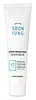 Key Ingredients
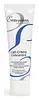
No key ingredients
Benefits
Concerns
Ingredients Side-by-side
Water
Skin ConditioningPropanediol
Solvent

Pentaerythrityl Tetraethylhexanoate
Emollient
Caprylic/Capric Triglyceride
Masking
Glycerin
Humectant
Helianthus Annuus Seed Oil
Emollient

Polyglyceryl-3 Methylglucose Distearate
Emulsifying
Butyrospermum Parkii Butter
Skin Conditioning

Cetearyl Alcohol
Emollient
Panthenol
Skin Conditioning

Madecassoside
Antioxidant


Camellia Sinensis Leaf Extract
Antimicrobial


Ceramide AP
Skin Conditioning
1,2-Hexanediol
Skin Conditioning
Potassium Carbomer
Emulsion StabilisingXanthan Gum
EmulsifyingButylene Glycol
Humectant
Disodium EDTA
Water, Propanediol, Pentaerythrityl Tetraethylhexanoate, Caprylic/Capric Triglyceride, Glycerin, Helianthus Annuus Seed Oil, Polyglyceryl-3 Methylglucose Distearate, Butyrospermum Parkii Butter, Cetearyl Alcohol, Panthenol, Madecassoside, Camellia Sinensis Leaf Extract, Ceramide AP, 1,2-Hexanediol, Potassium Carbomer, Xanthan Gum, Butylene Glycol, Disodium EDTA
Water
Skin ConditioningParaffinum Liquidum
Emollient
Stearic Acid
Cleansing
Glyceryl Stearate
Emollient
Triethanolamine
BufferingCera Alba
Emollient
Cetyl Palmitate
Emollient
Butyrospermum Parkii Butter
Skin Conditioning
Steareth-10
Emulsifying
Polyacrylamide
C13-14 Isoparaffin
Emollient
Laureth-7
EmulsifyingPropylene Glycol
Humectant

Hydrolyzed Soy Protein
Humectant
Aloe Barbadensis Leaf Extract
Emollient
1,2-Hexanediol
Skin Conditioning
Caprylyl Glycol
Emollient
Tropolone
Skin ConditioningParfum
Masking

Water, Paraffinum Liquidum, Stearic Acid, Glyceryl Stearate, Triethanolamine, Cera Alba, Cetyl Palmitate, Butyrospermum Parkii Butter, Steareth-10, Polyacrylamide, C13-14 Isoparaffin, Laureth-7, Propylene Glycol, Hydrolyzed Soy Protein, Aloe Barbadensis Leaf Extract, 1,2-Hexanediol, Caprylyl Glycol, Tropolone, Parfum
Reviews
Alternatives
Ingredients Explained
These ingredients are found in both products.
Ingredients higher up in an ingredient list are typically present in a larger amount.
1,2-Hexanediol is a synthetic liquid and another multi-functional powerhouse.
It is a:
- Humectant, drawing moisture into the skin
- Emollient, helping to soften skin
- Solvent, dispersing and stabilizing formulas
- Preservative booster, enhancing the antimicrobial activity of other preservatives
This ingredient is also known as shea butter. It is a plant-derived extract from the nuts of the Africa shea tree and one of the most well-studied emollients.
Because it has a high concentration of fatty acids (primarily oleic, stearic, and linoleic) it is able to form a protective barrier on the skin's surface. This helps seal in moisture and prevents transepidermal water loss (TEWL).
In vitro research found an increase in skin hydration by 58% and a decrease in TEWL by 37.8% after 24 hours of applying this ingredient (pretty impressive for a single ingredient!).
Besides hydration, shea butter also contains triterpenes that have anti-inflammatory potential. In particule, lupeol cinnamate has shown the highest anti-inflammatory activity in vivo.
Shea butter also contains vitamins A and E which may contribute to antioxidant activity.
While Shea Butter has an SPF rating of about 3-4, it is not a sunscreen replacement.
This ingredient may not be fungal acne safe because its fatty acids fall within the C11-C24 range that the Malassezia yeast can metabolize.
Learn more about Butyrospermum Parkii ButterWater. It's the most common cosmetic ingredient of all. You'll usually see it at the top of ingredient lists, meaning that it makes up the largest part of the product.
So why is it so popular? Water most often acts as a solvent - this means that it helps dissolve other ingredients into the formulation.
You'll also recognize water as that liquid we all need to stay alive. If you see this, drink a glass of water. Remember to stay hydrated!
Learn more about Water
