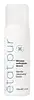
This mild foaming cleanser is made to cleanse without leaving your skin tight or dry.


What's inside
What's inside
 Key Ingredients
No key ingredients
Benefits
Concerns
Ingredients Side-by-side
Water
Skin ConditioningSodium Cocoyl Glutamate
Cleansing
Sodium Citrate
BufferingSodium Lauroyl Sarcosinate
CleansingCapryloyl Glycine
CleansingCoco-Betaine
Cleansing
Lactic Acid
Buffering










Zinc Gluconate
Skin Conditioning

Propanediol
Solvent

Potassium Sorbate
Preservative
Laminaria Digitata Extract
Skin Protecting
Coco-Glucoside
Cleansing
Glyceryl Oleate
Emollient


Carnosine
Skin Conditioning
Disodium Adenosine Triphosphate
Skin ConditioningCitric Acid
Buffering
Tocopherol
Antioxidant


Hydrogenated Palm Glycerides Citrate
Emollient
Water, Sodium Cocoyl Glutamate, Sodium Citrate, Sodium Lauroyl Sarcosinate, Capryloyl Glycine, Coco-Betaine, Lactic Acid, Zinc Gluconate, Propanediol, Potassium Sorbate, Laminaria Digitata Extract, Coco-Glucoside, Glyceryl Oleate, Carnosine, Disodium Adenosine Triphosphate, Citric Acid, Tocopherol, Hydrogenated Palm Glycerides Citrate
Water
Skin ConditioningSodium C14-16 Olefin Sulfonate
Cleansing
Glycerin
Humectant
Cocamidopropyl Betaine
Cleansing
Sodium Laurylglucosides Hydroxypropylsulfonate
CleansingOlive Oil Glycereth-8 Esters
Emollient
Dicaprylyl Ether
Emollient
Decyl Glucoside
Cleansing
Glyceryl Oleate
Emollient
Lauryl Glucoside
CleansingCapryloyl/Caproyl Methyl Glucamide
EmulsifyingLauroyl/Myristoyl Methyl Glucamide
EmollientStyrene/Acrylates Copolymer
Panthenol
Skin Conditioning
PEG-7 Glyceryl Cocoate
Emulsifying
PEG-200 Hydrogenated Glyceryl Palmate
Cleansing
Polyquaternium-22
Inulin
Skin Conditioning
Alpha-Glucan Oligosaccharide
Cleansing
Phospholipids
Skin Conditioning
Glycine Soja Oil
Emollient
Glycolipids
Skin ConditioningGlycine Soja Sterols
Emollient
Parfum
Masking
Lactic Acid
Buffering
Sodium Benzoate
Masking
Potassium Sorbate
Preservative
Lactobacillus Ferment
Skin Conditioning
Maltodextrin
Absorbent
Disodium EDTA
ChelatingWater, Sodium C14-16 Olefin Sulfonate, Glycerin, Cocamidopropyl Betaine, Sodium Laurylglucosides Hydroxypropylsulfonate, Olive Oil Glycereth-8 Esters, Dicaprylyl Ether, Decyl Glucoside, Glyceryl Oleate, Lauryl Glucoside, Capryloyl/Caproyl Methyl Glucamide, Lauroyl/Myristoyl Methyl Glucamide, Styrene/Acrylates Copolymer, Panthenol, PEG-7 Glyceryl Cocoate, PEG-200 Hydrogenated Glyceryl Palmate, Polyquaternium-22, Inulin, Alpha-Glucan Oligosaccharide, Phospholipids, Glycine Soja Oil, Glycolipids, Glycine Soja Sterols, Parfum, Lactic Acid, Sodium Benzoate, Potassium Sorbate, Lactobacillus Ferment, Maltodextrin, Disodium EDTA
Ingredients Explained
These ingredients are found in both products.
Ingredients higher up in an ingredient list are typically present in a larger amount.
Glyceryl Oleate is the monoester of glycerin and oleic acid. It is a skin-conditioning emollient that also helps form emulsions.
What makes glyceryl oleate special is its "re-fatting" effect.
When you wash your hair and skin with a surfactant-based cleanser, the surfactants grab onto everything. This includes your skin's natural lipids, or the fats that live in your skin barrier and sebum. Once you rinse these surfactants away, it leaves your skin feeling tight, dry, and clean (in a not-good way).
Re-fatting is essentially putting some of these lipids back. Glyceryl oleate deposits a thin layer of emollient lipids back on the skin or hair surface reduce some of the barrier damage.
Also, glyceryl oleate isn't a foreign molecule to your skin. It's chemically identical to something your skin already produces and manages naturally. This is why it tends to be well-tolerated with low risk of irritation.
Typical use levels range from 0.5-5%.
Glyceryl Oleate has a function of "perfuming" in the CosIng database. This just means that the ingredient has some scent character that can contribute to the product's overall smell.
The scent of this ingredient is described as "waxy".
As an ester of oleic acid, this ingredient may not be fungal acne safe. This is because oleic acid falls into the carbon-chain length that Malassezia can use as a substrate.
Learn more about Glyceryl OleateLactic Acid is another well-loved alpha hydroxy acid (AHA). It is gentler than glycolic acid but still highly effective.
Its main role is to exfoliate the surface of the skin by loosening the “glue” that holds dead skin cells together. Shedding those old cells leads to smoother, softer, and more even-toned skin.
Because lactic acid molecules are larger than glycolic acid, they don’t penetrate as deeply. This means they’re less likely to sting or irritate, making it a great choice for beginners or those with sensitive skin.
Like glycolic acid, it can:
Lactic acid also acts as a humectant (like hyaluronic acid). It can draw water into the skin to improve hydration and also plays a role in the skin's natural moisturizing factor (NMF) in the form of sodium lactate.
Studies show it can boost ceramide production to strengthen the skin barrier and even help balance the skin’s microbiome.
To get results, choose products with a pH between 3-4.
Lower strengths (5-12%) focus on surface exfoliation; higher strengths (12% and up) can reach deeper in the dermis (deeper, supportive layer) to improve skin texture and firmness over time.
Though it was originally derived from milk, most modern lactic acid used in skincare is vegan. It is made through non-dairy fermentation to create a bio-identical and stable form suitable for all formulations.
When lactic acid shows up near the end of an ingredient list, it usually means the brand added just a tiny amount to adjust the product’s pH.
Legend has it that Cleopatra used to bathe in sour milk to help reduce wrinkles.
Lactic acid is truly a gentle multitasker: it exfoliates, hydrates, strengthens, and brightens. It's a great ingredient for giving your skin a smooth, glowing, and healthy look without the harshness of stronger acids.
Read more about some other popular AHA's here:
Learn more about Lactic AcidPotassium Sorbate is a preservative used to prevent yeast and mold in products. It is commonly found in both cosmetic and food products.
This ingredient comes from potassium salt derived from sorbic acid. Sorbic acid is a natural antibiotic and effective against fungus.
Both potassium sorbate and sorbic acid can be found in baked goods, cheeses, dried meats, dried fruit, ice cream, pickles, wine, yogurt, and more.
You'll often find this ingredient used with other preservatives.
Learn more about Potassium SorbateWater. It's the most common cosmetic ingredient of all. You'll usually see it at the top of ingredient lists, meaning that it makes up the largest part of the product.
So why is it so popular? Water most often acts as a solvent - this means that it helps dissolve other ingredients into the formulation.
You'll also recognize water as that liquid we all need to stay alive. If you see this, drink a glass of water. Remember to stay hydrated!
Learn more about Water

