This barrier-repair lip moisturizer is formulated around Ricinus Communis Seed Oil and Butyrospermum Parkii Butter to strengthen the lip barrier and hydrate lips.

What's inside
What's inside
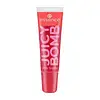 Key Ingredients
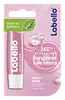
Benefits
Concerns
Ingredients Side-by-side
Ethylhexyl Stearate
Emollient




Ricinus Communis Seed Oil
Masking


Silica Dimethyl Silylate
EmollientOleic/Linoleic/Linolenic Polyglycerides
Emollient
Prunus Amygdalus Dulcis Oil
Skin Conditioning
Tocopheryl Acetate
Antioxidant


Stevia Rebaudiana Extract
Canola Oil
Emollient
Daucus Carota Sativa Seed Oil
Emollient
Helianthus Annuus Seed Oil
Emollient
Caprylyl Glycol
Emollient
Glycerin
Humectant

Caprylhydroxamic Acid
ChelatingMica
Cosmetic ColorantDaucus Carota Sativa Root Extract
Skin Conditioning
Beta-Carotene
Skin ConditioningParfum
Masking

CI 15850
Cosmetic ColorantCI 77891
Cosmetic ColorantEthylhexyl Stearate, Ricinus Communis Seed Oil, Silica Dimethyl Silylate, Oleic/Linoleic/Linolenic Polyglycerides, Prunus Amygdalus Dulcis Oil, Tocopheryl Acetate, Stevia Rebaudiana Extract, Canola Oil, Daucus Carota Sativa Seed Oil, Helianthus Annuus Seed Oil, Caprylyl Glycol, Glycerin, Caprylhydroxamic Acid, Mica, Daucus Carota Sativa Root Extract, Beta-Carotene, Parfum, CI 15850, CI 77891
Octyldodecanol
Emollient
Ricinus Communis Seed Oil
Masking
Cera Alba
Emollient
Cocoglycerides
Emollient
Butyrospermum Parkii Butter
Skin Conditioning
Hydrogenated Castor Oil
Emollient
Mica
Cosmetic ColorantPersea Gratissima Oil
Skin Conditioning
Simmondsia Chinensis Seed Oil
Emollient
Hydrolyzed Pearl
Skin ConditioningHydrolyzed Silk
Humectant
Tocopherol
Antioxidant


Ascorbyl Palmitate
Antioxidant
Water
Skin ConditioningNeohesperidin Dihydrochalcone
Masking
BHT
Antioxidant
Benzyl Alcohol
Perfuming


Parfum
Masking
CI 77891
Cosmetic ColorantCI 77492
Cosmetic ColorantCI 15850
Cosmetic ColorantHelianthus Annuus Seed Cera
Emollient
Octyldodecanol, Ricinus Communis Seed Oil, Cera Alba, Cocoglycerides, Butyrospermum Parkii Butter, Hydrogenated Castor Oil, Mica, Persea Gratissima Oil, Simmondsia Chinensis Seed Oil, Hydrolyzed Pearl, Hydrolyzed Silk, Tocopherol, Ascorbyl Palmitate, Water, Neohesperidin Dihydrochalcone, BHT, Benzyl Alcohol, Parfum, CI 77891, CI 77492, CI 15850, Helianthus Annuus Seed Cera
Reviews
Alternatives
Ingredients Explained
These ingredients are found in both products.
Ingredients higher up in an ingredient list are typically present in a larger amount.
Ci 15850 is the pigment color red. It is an azo dye and created synthetically.
Azo dyes need to be thoroughly purified before use. This allows them to be more stable and longer-lasting.
This ingredient is common in foundations, lipsticks, and blushes. This color is described as brown/orangey red.
It has many secondary names such as Red 6 and Red 7. According to a manufacturer, Red 6 usually contains aluminum.
Learn more about CI 15850Ci 77891 is a white pigment from Titanium dioxide. It is naturally found in minerals such as rutile and ilmenite.
It's main function is to add a white color to cosmetics. It can also be mixed with other colors to create different shades.
Ci 77891 is commonly found in sunscreens due to its ability to block UV rays.
Learn more about CI 77891Mica is a naturally occurring mineral used to add shimmer and color in cosmetics. It can also help improve the texture of a product or give it an opaque, white/silver color.
Serecite is the name for very fine but ragged grains of mica.
This ingredient is often coated with metal oxides like titanium dioxide. Trace amounts of heavy metals may be found in mica, but these metals are not harmful in our personal products.
Mica has been used since prehistoric times throughout the world. Ancient Egyptian, Indian, Greek, Roman, Aztec, and Chinese civilizations have used mica.
Learn more about MicaParfum is a catch-all term for an ingredient or more that is used to give a scent to products.
Also called "fragrance", this ingredient can be a blend of hundreds of chemicals or plant oils. This means every product with "fragrance" or "parfum" in the ingredients list is a different mixture.
For instance, Habanolide is a proprietary trade name for a specific aroma chemical. When used as a fragrance ingredient in cosmetics, most aroma chemicals fall under the broad labeling category of “FRAGRANCE” or “PARFUM” according to EU and US regulations.
The term 'parfum' or 'fragrance' is not regulated in many countries. In many cases, it is up to the brand to define this term.
For instance, many brands choose to label themselves as "fragrance-free" because they are not using synthetic fragrances. However, their products may still contain ingredients such as essential oils that are considered a fragrance by INCI standards.
One example is Calendula flower extract. Calendula is an essential oil that still imparts a scent or 'fragrance'.
Depending on the blend, the ingredients in the mixture can cause allergies and sensitivities on the skin. Some ingredients that are known EU allergens include linalool and citronellol.
Parfum can also be used to mask or cover an unpleasant scent.
The bottom line is: not all fragrances/parfum/ingredients are created equally. If you are worried about fragrances, we recommend taking a closer look at an ingredient. And of course, we always recommend speaking with a professional.
Learn more about ParfumThis ingredient is also known as castor oil. It is a skin conditioning ingredient.
The star component of castor oil is ricinoleic acid, an unusual fatty acid that makes up ~80-92% of its composition.
In skincare, it is an emollient that dries down to a solid film with water-binding properties. This helps keep skin hydrated and helps reduce transepidermal water loss (TEWL).
A 2026 dermatology review pulls together its broader uses:
Human clinical testing found this ingredient to be non-irritating and non-sensitizing.
Because castor oil contains fatty acids in the C11-24 range, this ingredient may not be fungal acne safe.
At this time, the literature does not support castor oil in regrowing hair. A 2022 systematic review found no strong evidence that it supports hair growth and only weak evidence that it improves hair shine.
Castor oil itself carries "perfuming" and "masking" function tags according to the official CosIng database. This is because of its mild odor and odor-dampening properties.
Learn more about Ricinus Communis Seed Oil

