

What's inside
What's inside
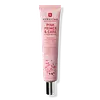 Key Ingredients
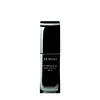
Benefits
Concerns
Ingredients Side-by-side
Ammonium Acryloyldimethyltaurate/Vp Copolymer
Sodium Acrylate/Sodium Acryloyldimethyl Taurate Copolymer
Emulsion StabilisingTocopheryl Acetate
Antioxidant


Isohexadecane
EmollientMica
Cosmetic ColorantDimethiconol
Emollient
Xanthan Gum
EmulsifyingTocopherol
Antioxidant




1,2-Hexanediol
Skin Conditioning
Parfum
Masking




Hexyl Cinnamal
Perfuming
Alpha-Isomethyl Ionone
Perfuming
Linalool
Perfuming
Citronellol
Perfuming
Geraniol
Perfuming
Eugenol
Perfuming
Limonene
Perfuming
Cinnamyl Alcohol
Perfuming
CI 77491
Cosmetic ColorantAmmonium Acryloyldimethyltaurate/Vp Copolymer, Sodium Acrylate/Sodium Acryloyldimethyl Taurate Copolymer, Tocopheryl Acetate, Isohexadecane, Mica, Dimethiconol, Xanthan Gum, Tocopherol, 1,2-Hexanediol, Parfum, Hexyl Cinnamal, Alpha-Isomethyl Ionone, Linalool, Citronellol, Geraniol, Eugenol, Limonene, Cinnamyl Alcohol, CI 77491
Water
Skin ConditioningMethyl Trimethicone
Skin Conditioning
Ethylhexyl Methoxycinnamate
UV Absorber

Hydrogenated Polydecene
EmollientDipropylene Glycol
HumectantPhenyl Trimethicone
Skin Conditioning
Talc
Abrasive
Mica
Cosmetic ColorantPEG-8 Trifluoropropyl Dimethicone Copolymer
Skin Conditioning
Maltitol
HumectantSorbitan Isostearate
Emulsifying
Tribehenin
Emollient
Sodium Chloride
MaskingTrimethylsiloxysilicate
Emollient
Trifluoropropyl Dimethiconol
Skin Conditioning
Dimethicone
Emollient
Phytosteryl Macadamiate
Skin Conditioning
Dimethicone/Vinyl Dimethicone Crosspolymer
Skin Conditioning
Silica
Abrasive

Parfum
Masking
Synthetic Fluorphlogopite
Alumina
Abrasive
Acetyl Glucosamine
Skin Conditioning
Hydrogenated Lecithin
Emulsifying
Tin Oxide
Abrasive
Alcohol
Antimicrobial

Butylene Glycol
Humectant
BHT
Antioxidant
Hydrolyzed Silk
Humectant
Methicone
Emollient
Dioscorea Panthaica Root Extract
EmollientTocopherol
Antioxidant
Silk Powder
Skin ConditioningChlorphenesin
Antimicrobial
Phenoxyethanol
Preservative
Sorbic Acid
Preservative
Cinnamyl Alcohol
Perfuming
Citronellol
Perfuming
Geraniol
Perfuming
Hexyl Cinnamal
Perfuming
CI 77491
Cosmetic ColorantCI 77492
Cosmetic ColorantCI 77499
Cosmetic ColorantCI 77891
Cosmetic ColorantWater, Methyl Trimethicone, Ethylhexyl Methoxycinnamate, Hydrogenated Polydecene, Dipropylene Glycol, Phenyl Trimethicone, Talc, Mica, PEG-8 Trifluoropropyl Dimethicone Copolymer, Maltitol, Sorbitan Isostearate, Tribehenin, Sodium Chloride, Trimethylsiloxysilicate, Trifluoropropyl Dimethiconol, Dimethicone, Phytosteryl Macadamiate, Dimethicone/Vinyl Dimethicone Crosspolymer, Silica, Parfum, Synthetic Fluorphlogopite, Alumina, Acetyl Glucosamine, Hydrogenated Lecithin, Tin Oxide, Alcohol, Butylene Glycol, BHT, Hydrolyzed Silk, Methicone, Dioscorea Panthaica Root Extract, Tocopherol, Silk Powder, Chlorphenesin, Phenoxyethanol, Sorbic Acid, Cinnamyl Alcohol, Citronellol, Geraniol, Hexyl Cinnamal, CI 77491, CI 77492, CI 77499, CI 77891
Ingredients Explained
These ingredients are found in both products.
Ingredients higher up in an ingredient list are typically present in a larger amount.
Ci 77491 is also hydrated iron III oxide. It's sole purpose is to give a red/pink hue to products.
Iron III oxides are classified as inorganic chemicals for coloring.
Synthetically created Ci 77491 is considered safer than those naturally found. This is because the synthetically created version may contain less impurities. Iron oxides are generally non-toxic and non-allergenic.
Learn more about CI 77491Cinnamyl Alcohol is derived from cinnamon and balsam. It oxidizes quickly when exposed to air.
Cinnamyl Alcohol is a known EU allergen. This means it may cause an allergic reaction when applied to the skin. The EU requires this ingredient to be labeled separately on an ingredients list.
Citronellol is used to add fragrance/parfum to a product. It is often derived from plants such as roses. In fact, it can be found in many essential oils including geranium, lavender, neroli, and more. The scent of Citronellol is often described as "fresh, grassy, and citrus-like".
Since the Citronellol molecule is already unstable, Citronellol becomes irritating on the skin when exposed to air.
Citronellol is a modified terpene. Terpenes are unsaturated hydrocarbons found in plants. They make up the primary part of essential oils.
Citronellol is not able to be absorbed into deeper layers of the skin. It has low permeability,
Citronellol is also a natural insect repellent.
Learn more about CitronellolGeraniol is used to add fragrance/parfum to a product. It is the main component of citronellol. It is a monoterpenoid and an alcohol.
Monoterpenes are naturally found in many parts of different plants.
Geraniol can be found in many essential oils including Rose Oil and Citronella Oil. The scent of Geraniol is often described as "rose-like". Many foods also contain Geraniol for fruit flavoring.
Geraniol can irritate the skin when exposed to air. However, irritation depends on the ability of geraniol to penetrate into the skin. In general, geraniol is not able to penetrate skin easily.
Geraniol is colorless and has low water-solubility. However, it is soluble in common organic solvents.
Like citronellol, it is a natural insect repellent.
2,6-Octadien-1-ol, 3,7-dimethyl-, (2E)-
Learn more about GeraniolHexyl Cinnamal is a fragrance ingredient with a similar scent to jasmine. It can be naturally found in chamomile essential oil.
This ingredient is a known EU allergen and may sensitize the skin. The EU requires this ingredient to be listed separately on an ingredients list.
Hexyl Cinnamal is not water soluble but is soluble in oils.
Learn more about Hexyl CinnamalMica is a naturally occurring mineral used to add shimmer and color in cosmetics. It can also help improve the texture of a product or give it an opaque, white/silver color.
Serecite is the name for very fine but ragged grains of mica.
This ingredient is often coated with metal oxides like titanium dioxide. Trace amounts of heavy metals may be found in mica, but these metals are not harmful in our personal products.
Mica has been used since prehistoric times throughout the world. Ancient Egyptian, Indian, Greek, Roman, Aztec, and Chinese civilizations have used mica.
Learn more about MicaParfum is a catch-all term for an ingredient or more that is used to give a scent to products.
Also called "fragrance", this ingredient can be a blend of hundreds of chemicals or plant oils. This means every product with "fragrance" or "parfum" in the ingredients list is a different mixture.
For instance, Habanolide is a proprietary trade name for a specific aroma chemical. When used as a fragrance ingredient in cosmetics, most aroma chemicals fall under the broad labeling category of “FRAGRANCE” or “PARFUM” according to EU and US regulations.
The term 'parfum' or 'fragrance' is not regulated in many countries. In many cases, it is up to the brand to define this term.
For instance, many brands choose to label themselves as "fragrance-free" because they are not using synthetic fragrances. However, their products may still contain ingredients such as essential oils that are considered a fragrance by INCI standards.
One example is Calendula flower extract. Calendula is an essential oil that still imparts a scent or 'fragrance'.
Depending on the blend, the ingredients in the mixture can cause allergies and sensitivities on the skin. Some ingredients that are known EU allergens include linalool and citronellol.
Parfum can also be used to mask or cover an unpleasant scent.
The bottom line is: not all fragrances/parfum/ingredients are created equally. If you are worried about fragrances, we recommend taking a closer look at an ingredient. And of course, we always recommend speaking with a professional.
Learn more about ParfumTocopherol is a fat-soluble antioxidant known as Vitamin E.
You'll find this ingredient in the vast majority of skincare (for good reason). It works to neutralize free radicals, or unstable molecules generated by UV exposure, pollution, and other environmental stressors, before they can cause oxidative damage to your skin cells.
Topically applied tocopherol has been shown to protect against UV damage by ramping up the skin's own natural defense enzymes.
It also acts as a skin conditioning agent; some studies show that regular topical use can improve the skin's water-binding capacity over 2-4 weeks.
This ingredient is especially loved for being a team player. When combined with Vitamin C, the photoprotective effect of both ingredients roughly doubles and the combo also helps reduce UV-induced DNA damage.
This ingredient has some brightening potential but it's more of a prevention ingredient than spot-fader. Cell studies show it can slow down melanin production but it's worth noting that it's not the most powerful brightener out there.
In formulations, it also serves as a stabilizer that helps protect other oxidation-prone ingredients from degrading.
Concentrations usually range from 0.1-1% in most leave-on products.
Learn more about Tocopherol

