Equilibra Rose Smoothing Face Serum With Hyaluronic Acid Versus Mixsoon Glacier Water Hyaluronic Acid Serum
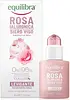
This hydrating serum is formulated around Sodium Hyaluronate and Ceramide NP to hydrate skin and strengthen the skin barrier.
This hydrating serum is formulated around Sodium Hyaluronate to hydrate skin.


What's inside
What's inside
 Key Ingredients
Benefits
Concerns
No concerns
Ingredients Side-by-side
Water
Skin ConditioningCaprylic/Capric Triglyceride
Masking


Coco-Caprylate
Emollient
Glycerin
Humectant
Glyceryl Stearate
Emollient

Sucrose Polystearate
EmollientCetearyl Alcohol
Emollient



Hydrogenated Vegetable Glycerides
EmollientSodium Stearoyl Glutamate
CleansingXanthan Gum
EmulsifyingCetyl Palmitate
Emollient
Sodium Hyaluronate
Humectant


Rosa Damascena Flower Extract
Masking
Saccharomyces Ferment Lysate Filtrate
Skin Conditioning
Ceramide AP
Skin Conditioning

Ceramide NP
Skin Conditioning
Ceramide EOP
Skin Conditioning
Phytosphingosine
Skin Conditioning
Ethylhexylglycerin
Skin ConditioningSodium Phytate
Lecithin
Emollient
Magnesium Ascorbyl Phosphate
Antioxidant




Citric Acid
Buffering
Tocopherol
Antioxidant

Ascorbyl Palmitate
Antioxidant
Sodium Benzoate
Masking
Sodium Lauroyl Lactylate
EmulsifyingPotassium Sorbate
Preservative
Cholesterol
Emollient
Carbomer
Emulsion StabilisingPhenoxyethanol
Preservative
Parfum
Masking


Amyl Cinnamal
Perfuming
Citronellol
Perfuming
Geraniol
Perfuming
Hydroxycitronellal
Perfuming
Linalool
Perfuming
Water, Caprylic/Capric Triglyceride, Coco-Caprylate, Glycerin, Glyceryl Stearate, Sucrose Polystearate, Cetearyl Alcohol, Hydrogenated Vegetable Glycerides, Sodium Stearoyl Glutamate, Xanthan Gum, Cetyl Palmitate, Sodium Hyaluronate, Rosa Damascena Flower Extract, Saccharomyces Ferment Lysate Filtrate, Ceramide AP, Ceramide NP, Ceramide EOP, Phytosphingosine, Ethylhexylglycerin, Sodium Phytate, Lecithin, Magnesium Ascorbyl Phosphate, Citric Acid, Tocopherol, Ascorbyl Palmitate, Sodium Benzoate, Sodium Lauroyl Lactylate, Potassium Sorbate, Cholesterol, Carbomer, Phenoxyethanol, Parfum, Amyl Cinnamal, Citronellol, Geraniol, Hydroxycitronellal, Linalool
Reviews
Ingredients Explained
These ingredients are found in both products.
Ingredients higher up in an ingredient list are typically present in a larger amount.
Sodium Hyaluronate is the salt form of hyaluronic acid. It is a long sugar chain that is naturally found in your skin, joints, and connective tissue that maintains hydration and elasticity.
In skincare, it works as a humectant. It pulls water from the environment and deeper layers of skin and binds it to the surface.
Interestingly, the size of the molecule affects its behavior:
Some clinical evidence links low molecular weight versions to improved wrinkle depth, elasticity, anti-inflammatory effects, and barrier repair.
Many serums use a blend of both weights so you can get surface hydration plus longer-lasting and deeper effects.
You'll typically see concentrations between 0.1-2% for this ingredient.
Learn more about Sodium HyaluronateWater. It's the most common cosmetic ingredient of all. You'll usually see it at the top of ingredient lists, meaning that it makes up the largest part of the product.
So why is it so popular? Water most often acts as a solvent - this means that it helps dissolve other ingredients into the formulation.
You'll also recognize water as that liquid we all need to stay alive. If you see this, drink a glass of water. Remember to stay hydrated!
Learn more about Water

