

What's inside
What's inside
 Key Ingredients
Benefits
Concerns
Ingredients Side-by-side
Water
Skin ConditioningSorbitol
Humectant

Butylene Glycol
Humectant
Sodium Lactate
Buffering
Panthenol
Skin Conditioning


Sodium PCA
Humectant
Niacinamide
Smoothing







Ethoxydiglycol
HumectantPropylene Glycol
Humectant

Glucose
Humectant
Lactic Acid
Buffering

Chamomilla Recutita Flower Extract
Masking
Achillea Millefolium Extract
CleansingOnonis Spinosa Root Extract
AntiseborrhoeicTussilago Farfara Leaf Extract
AstringentRosmarinus Officinalis Leaf Extract
AntimicrobialThymus Serpyllum Extract
Skin ConditioningSalvia Officinalis Leaf Extract
CleansingMelissa Officinalis Leaf Extract
Skin ConditioningEquisetum Arvense Extract
AstringentAlthaea Officinalis Root Extract
Skin Conditioning
Cyclopia Genistoides Leaf Extract
Antioxidant
Disodium EDTA
Sodium Benzoate
Masking
Potassium Sorbate
Preservative
Caramel
Cosmetic ColorantCitric Acid
Buffering
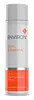
Water, Sorbitol, Butylene Glycol, Sodium Lactate, Panthenol, Sodium PCA, Niacinamide, Ethoxydiglycol, Propylene Glycol, Glucose, Lactic Acid, Chamomilla Recutita Flower Extract, Achillea Millefolium Extract, Ononis Spinosa Root Extract, Tussilago Farfara Leaf Extract, Rosmarinus Officinalis Leaf Extract, Thymus Serpyllum Extract, Salvia Officinalis Leaf Extract, Melissa Officinalis Leaf Extract, Equisetum Arvense Extract, Althaea Officinalis Root Extract, Cyclopia Genistoides Leaf Extract, Disodium EDTA, Sodium Benzoate, Potassium Sorbate, Caramel, Citric Acid
Water
Skin ConditioningGlycerin
Humectant
Pyrus Malus Fruit Extract
Skin Conditioning
Phenoxyethanol
Preservative
Polysorbate 20
Emulsifying
Propanediol
Solvent
Citrullus Lanatus Fruit Extract
Skin Conditioning
Lens Esculenta Fruit Extract
Skin ConditioningPanthenol
Skin Conditioning
Oenothera Biennis Root Extract
Skin ConditioningEthylhexylglycerin
Skin ConditioningRosmarinus Officinalis Leaf Oil
Masking
Sodium Lactate
Buffering
Disodium EDTA
Myrothamnus Flabellifolia Leaf/Stem Extract
HumectantSodium PCA
Humectant
Citric Acid
Buffering
Sodium Hydroxide
BufferingSodium Carrageenan
Emulsion StabilisingJania Rubens Extract
Skin ConditioningAscorbic Acid
Antioxidant
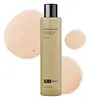
Water, Glycerin, Pyrus Malus Fruit Extract, Phenoxyethanol, Polysorbate 20, Propanediol, Citrullus Lanatus Fruit Extract, Lens Esculenta Fruit Extract, Panthenol, Oenothera Biennis Root Extract, Ethylhexylglycerin, Rosmarinus Officinalis Leaf Oil, Sodium Lactate, Disodium EDTA, Myrothamnus Flabellifolia Leaf/Stem Extract, Sodium PCA, Citric Acid, Sodium Hydroxide, Sodium Carrageenan, Jania Rubens Extract, Ascorbic Acid
Ingredients Explained
These ingredients are found in both products.
Ingredients higher up in an ingredient list are typically present in a larger amount.
Citric Acid is an alpha hydroxy acid (AHA) naturally found in citrus fruits like oranges, lemons, and limes.
Like other AHAs, citric acid can exfoliate skin by breaking down the bonds that hold dead skin cells together. This helps reveal smoother and brighter skin underneath.
However, this exfoliating effect only happens at high concentrations (20%) which can be hard to find in cosmetic products.
Due to this, citric acid is usually included in small amounts as a pH adjuster. This helps keep products slightly more acidic and compatible with skin's natural pH.
In skincare formulas, citric acid can:
While it can provide some skin benefits, research shows lactic acid and glycolic acid are generally more effective and less irritating exfoliants.
Most citric acid used in skincare today is made by fermenting sugars (usually from molasses). This synthetic version is identical to the natural citrus form but easier to stabilize and use in formulations.
Read more about some other popular AHA's here:
Learn more about Citric AcidDisodium EDTA is a chelating agent. It grabs onto and deactivates metal ions that sneak into your products from water, packaging, or air.
This ingredient mainly works behind the scenes and helps with:
On top of that, this ingredient can counteract the effects of hard water by binding to the minerals in it.
One thing worth knowing is that Disodium EDTA has been shown to be a mild penetration enhancer. It can help other ingredients absorb into skin more effectively which can be a double-edged sword (great for actives, but can also make the active too strong if you have sensitive skin).
Clinical patch testing showed no significant skin irritation at typical use concentrations and minimal dermal absorption.
You'll most likely see this ingredient near the end of an ingredient list. It's typically found in concentrations less than 1%.
Learn more about Disodium EDTAPanthenol is a common ingredient that helps hydrate and soothe the skin. It is found naturally in our skin and hair.
There are two forms of panthenol: D and L.
D-panthenol is also known as dexpanthenol. Most cosmetics use dexpanthenol or a mixture of D and L-panthenol.
Panthenol is famous due to its ability to go deeper into the skin's layers. Using this ingredient has numerous pros (and no cons):
Like hyaluronic acid, panthenol is a humectant. Humectants are able to bind and hold large amounts of water to keep skin hydrated.
This ingredient works well for wound healing. It works by increasing tissue in the wound and helps close open wounds.
Once oxidized, panthenol converts to pantothenic acid. Panthothenic acid is found in all living cells.
This ingredient is also referred to as pro-vitamin B5.
Learn more about PanthenolSodium Lactate is the sodium salt of lactic acid, an AHA. It is a humectant and sometimes used to adjust the pH of a product.
This ingredient is part of our skin's NMF, or natural moisturizing factor. Our NMF is essential for the hydration of our top skin layers and plasticity of skin. NMF also influences our skin's natural acid mantle and pH, which protects our skin from harmful bacteria.
High percentages of Sodium Lactate can have an exfoliating effect.
Fun fact: Sodium Lactate is produced from fermented sugar.
Learn more about Sodium LactateSodium PCA (the salt of PCA) is one of the most well-established humectants in skincare.
Why is it so special? Your skin already makes it naturally; it's a natural component of your skin's Natural Moisturizing Factor (NMF), or the mix of water-binding compounds inside your skin cells that keeps things soft and hydrated.
As a cosmetic ingredient, it grabs water and holds it in the upper layers of skin to smooth roughness and ease dehydration.
There's some clinical support for the NMF approach with a study showing that a cream built to mimic the skin's NMF significantly boosted hydration.
Safety-wise, this ingredient non-irritating, non-comedogenic, and non-phototoxic in testing, with minimal skin absorption.
It also works really well with other hydrators like glycerin or hyaluronic acid, and typical usage is somewhere between 0.2-4%.
Learn more about Sodium PCAWater. It's the most common cosmetic ingredient of all. You'll usually see it at the top of ingredient lists, meaning that it makes up the largest part of the product.
So why is it so popular? Water most often acts as a solvent - this means that it helps dissolve other ingredients into the formulation.
You'll also recognize water as that liquid we all need to stay alive. If you see this, drink a glass of water. Remember to stay hydrated!
Learn more about Water

