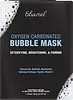
This pore-care sheet mask is formulated around Bentonite and Niacinamide to refine the look of pores and balance excess oil.
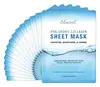
This hydrating sheet mask is formulated around Aloe Barbadensis Leaf Juice and Sodium Hyaluronate to hydrate skin and soften the look of wrinkles.

What's inside
What's inside
 Key Ingredients
Benefits
Concerns
Ingredients Side-by-side
Water
Skin ConditioningGlycerin
Humectant


Dipropylene Glycol
HumectantCocamidopropyl Betaine
Cleansing



Methyl Perfluorobutyl Ether
SolventMethyl Perfluoroisobutyl Ether
SolventSodium Lauroyl Glutamate
SurfactantDisiloxane
Skin Conditioning
Sodium Cocoyl Apple Amino Acids
Foam Boosting
Hydrolyzed Collagen
Emollient
Sodium Hyaluronate
Humectant

Volcanic Ash
Abrasive
Leontopodium Alpinum Callus Culture Extract
Antioxidant
Acetyl Hexapeptide-8
Humectant
Hydroxyethylcellulose
Emulsion StabilisingCarica Papaya Fruit Extract
Skin ConditioningVaccinium Myrtillus Fruit/Leaf Extract
AstringentAscorbic Acid
Antioxidant



Saccharum Officinarum Extract
MoisturisingBentonite
Absorbent


Acer Saccharum Extract
Skin ConditioningCitrus Aurantium Dulcis Fruit Extract
MaskingCitrus Limon Fruit Extract
Masking
Allantoin
Skin Conditioning
Hydroxyacetophenone
Antioxidant
Disodium EDTA
ChelatingNiacinamide
Smoothing

Phenoxyethanol
Preservative
1,2-Hexanediol
Skin Conditioning
Propanediol
Solvent
Caprylyl Glycol
Emollient
Illicium Verum Fruit Extract
Perfuming
Chlorphenesin
Antimicrobial
Parfum
Masking
Water, Glycerin, Dipropylene Glycol, Cocamidopropyl Betaine, Methyl Perfluorobutyl Ether, Methyl Perfluoroisobutyl Ether, Sodium Lauroyl Glutamate, Disiloxane, Sodium Cocoyl Apple Amino Acids, Hydrolyzed Collagen, Sodium Hyaluronate, Volcanic Ash, Leontopodium Alpinum Callus Culture Extract, Acetyl Hexapeptide-8, Hydroxyethylcellulose, Carica Papaya Fruit Extract, Vaccinium Myrtillus Fruit/Leaf Extract, Ascorbic Acid, Saccharum Officinarum Extract, Bentonite, Acer Saccharum Extract, Citrus Aurantium Dulcis Fruit Extract, Citrus Limon Fruit Extract, Allantoin, Hydroxyacetophenone, Disodium EDTA, Niacinamide, Phenoxyethanol, 1,2-Hexanediol, Propanediol, Caprylyl Glycol, Illicium Verum Fruit Extract, Chlorphenesin, Parfum
Water
Skin ConditioningAloe Barbadensis Leaf Juice
Skin Conditioning
Sodium Hyaluronate
Humectant
Glycerin
Humectant
Ceratonia Siliqua Gum
EmollientAcetyl Hexapeptide-8
Humectant
Leontopodium Alpinum Callus Culture Extract
Antioxidant
Solanum Lycopersicum Callus Culture Extract
Chamomilla Recutita Flower Extract
Masking
Ascorbic Acid
Antioxidant
Tocopheryl Acetate
Antioxidant
Hydrolyzed Collagen
Emollient
Portulaca Oleracea Extract
Skin Conditioning
Polysorbate 80
Emulsifying
Disodium EDTA
ChelatingPotassium Sorbate
Preservative
Water, Aloe Barbadensis Leaf Juice, Sodium Hyaluronate, Glycerin, Ceratonia Siliqua Gum, Acetyl Hexapeptide-8, Leontopodium Alpinum Callus Culture Extract, Solanum Lycopersicum Callus Culture Extract, Chamomilla Recutita Flower Extract, Ascorbic Acid, Tocopheryl Acetate, Hydrolyzed Collagen, Portulaca Oleracea Extract, Polysorbate 80, Disodium EDTA, Potassium Sorbate
Ingredients Explained
These ingredients are found in both products.
Ingredients higher up in an ingredient list are typically present in a larger amount.
Acetyl Hexapeptide-8 (also known as Argireline) is a synthetic hexapeptide that is often called a "topical Botox alternative".
It works by mimicking how Botox relaxes muscles; it interferes with the signaling process that tells your facial muscles to contract. This can help soften expression lines like forehead wrinkles or crow's feet over time.
The comparison to Botox does have limits because the molecule is water-loving and relatively large.
Acetyl Hexapeptide-8 has a hard time absorbing deeply enough through the skin's outer barrier to actually reach the muscles.
So whether it truly works the way Botox does at a biological level is still up for debate, but early clinical outcomes are fairly encouraging.
A 12 week human study of a multi-ingredient regimen containing this ingredient saw:
While some studies have observed improvements in wrinkle appearance, it is important to note that more consistent results are seen in multi-ingredient formulations (vs just Acetyl Hexapeptide-8 alone).
Some research studies also used higher concentrations (up to 10%) while this ingredient is usually found in concentrations up to 0.005% in leave-on formulations.
Learn more about Acetyl Hexapeptide-8Ascorbic Acid is is pure Vitamin C and is the biologically active form used directly by skin.
Not only is vitamin C great for your overall health and immune system, but it also has plenty of benefits for your skin. It is best supported by academic literature for:
Topical vitamin C has been shown to help neutralize oxidative stress from UV and pollution, helping to improve photoaging and hyperpigmentation when used consistently.
One clinical study found that using 5% topical vitamin C for six months improved signs of photodamaged skin, both on the surface and in the deeper structural layers of the skin.
While vitamin C doesn’t replace sunscreen, studies show it can boost photoprotection when combined with Vitamin E and ferulic acid. These two ingredients help improve stability and protective effects.
The big downside of this ingredient is formulation difficulty. Vitamin C is prone to oxidation and doesn't penetrate the skin unless formulated correctly. Research found that vitamin C absorbs into the skin best at a low pH (< 3.5) with about 20% being the upper limit for effective absorption.
Skin levels can saturate after repeated application; this means your skin won’t keep absorbing more once it’s full of vitamin C. This is why more isn’t always better with vitamin C and why very high concentrations don’t necessarily give extra benefits.
Ascorbic acid generally works well with many skincare ingredients but can be irritating when combined with other active ingredients. Strong oxidizing acne treatments like benzoyl peroxide can reduce the effectiveness of vitamin C if they are used at the same time; they are often recommended for use at different times of day.
Read more about other types of Vitamin C:
Foods rich with vitamin C include oranges, strawberries, broccoli, bell peppers, and more. When consuming Vitamin C, your skin receives a portion of the nutrients.
Learn more about Ascorbic AcidDisodium EDTA is a chelating agent. It grabs onto and deactivates metal ions that sneak into your products from water, packaging, or air.
This ingredient mainly works behind the scenes and helps with:
On top of that, this ingredient can counteract the effects of hard water by binding to the minerals in it.
One thing worth knowing is that Disodium EDTA has been shown to be a mild penetration enhancer. It can help other ingredients absorb into skin more effectively which can be a double-edged sword (great for actives, but can also make the active too strong if you have sensitive skin).
Clinical patch testing showed no significant skin irritation at typical use concentrations and minimal dermal absorption.
You'll most likely see this ingredient near the end of an ingredient list. It's typically found in concentrations less than 1%.
Learn more about Disodium EDTAGlycerin (or glycerol) is a compound naturally found in your skin. It's a powerhouse humectant that pulls water into the stratum corneum.
Topically, glycerin does several things at once:
Your skin makes glycerin on its own (mostly from sebaceous oil breakdown) and shuttles it to your outermost layer of skin, or your epidermis, via aquaporin-3.
Aquaporin-3 is a transporter that is essential for normal skin hydration, elasticity, and repair. Interestingly, mice lacking in AQP3 have dry and less elastic skin that can be fully corrected with glycerin.
This ingredient is non-irritating, plays well with almost every ingredient, and works across all skin types. Typical use is anywhere between 3-10% but can go up to 79% in some leave-on products.
Just know very high concentrations (>40%) can feel tacky in low humidity.
Glycerin is the name for this ingredient in American English. British English uses Glycerol/Glycerine.
Learn more about GlycerinHydrolyzed Collagen is Collagen (usually sourced from fish, bovine, or porcine byproducts) that's been broken down into smaller peptides. This makes it water-soluble and easy to blend into formulations.
In a formula, it works mainly as a skin-conditioning and moisturizing agent.
The small peptides and amino acids (including Natural Moisturizing Factor components like Hydroxyproline, Serine, and Aspartic Acid) help the surface of the skin hold onto water, feel softer, and look temporarily plumper.
This ingredient also has mild film-forming and antioxidant properties with research showing the antioxidant effect is stronger the lower the molecular weight of the peptides.
It's worth being realistic here:
Topically applied Hydrolyzed Collagen conditions the upper layers of skin rather than rebuilding the structural collagen deep in your dermis (the wrinkle-and-firmness benefits people associate with Collagen mostly come from oral supplements in studies, not topicals).
However, recent lab and skin-model work on Hydrolyzed Fish Collagen has shown promising effects on cell viability and wound healing when used as an active.
Typical concentrations range from 0.2-2%, but the percentage can go much higher in rinse-off or hair products (sometimes even above 50%).
Clinical studies on this ingredient showed no irritation, sensitization, or phototoxicity.
If you are looking for vegan collagen, it usually goes by a different INCI name like hydrolyzed soy protein. Vegan collagen is derived from yeast, bacteria, or plant sources.
The results are varied.
A study from 2021 found hydrolyzed collagen increased elasticity and improved wrinkles in 1,125 participants between age 20 and 70. Another study found increased skin thickness in participants between the ages of 45 to 59.
However, It is difficult to prove that oral collagen will end up working on your skin. Many of the studies using hydrolyzed collagen also add several vitamins and nutrients into the test mixture as well.
Further studies are needed at this time.
Learn more about Hydrolyzed CollagenThis ingredient (LACCE) is a plant cell derived from the alpine plant, edelweiss. It is a humectant with antioxidant and skin protecting properties.
In-vitro and in-vivo research shows LACCE to exhibit strong antioxidant effects, including protecting skin against UVB induced stress. It also appears to support collagen production, improved skin elasticity, and wrinkle reduction.
Clinical application in humans shows topical use of LACCE can improve periorbital wrinkles (around the eyes), dermal density, and skin elasticity.
Cellular studies also suggest potential anti-inflammatory effects and upregulation of genes associated with barrier formation.
As with many plant extracts, a small number of people may experience sensitivity due to allergies.
Learn more about Leontopodium Alpinum Callus Culture ExtractSodium Hyaluronate is the salt form of hyaluronic acid. It is a long sugar chain that is naturally found in your skin, joints, and connective tissue that maintains hydration and elasticity.
In skincare, it works as a humectant. It pulls water from the environment and deeper layers of skin and binds it to the surface.
Interestingly, the size of the molecule affects its behavior:
Some clinical evidence links low molecular weight versions to improved wrinkle depth, elasticity, anti-inflammatory effects, and barrier repair.
Many serums use a blend of both weights so you can get surface hydration plus longer-lasting and deeper effects.
You'll typically see concentrations between 0.1-2% for this ingredient.
Learn more about Sodium HyaluronateWater. It's the most common cosmetic ingredient of all. You'll usually see it at the top of ingredient lists, meaning that it makes up the largest part of the product.
So why is it so popular? Water most often acts as a solvent - this means that it helps dissolve other ingredients into the formulation.
You'll also recognize water as that liquid we all need to stay alive. If you see this, drink a glass of water. Remember to stay hydrated!
Learn more about Water

