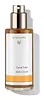
This hydrating toner is formulated around Aloe Barbadensis Leaf Extract and Arginine to hydrate skin and calm redness.


What's inside
What's inside
 Key Ingredients
No key ingredients
Benefits
No benefits
Concerns
Ingredients Side-by-side


Water
Skin ConditioningButylene Glycol
Humectant

Aloe Barbadensis Leaf Extract
Emollient

Arginine
Masking
Lavandula Angustifolia Flower/Leaf/Stem Extract
Masking

Melissa Officinalis Leaf Extract
Skin ConditioningCitrus Limon Peel Oil
Masking




Citrus Aurantium Bergamia Fruit Oil
Masking
Cymbopogon Nardus Oil
Masking
Glycine
Buffering
Alanine
Masking
Serine
Masking
Lavandula Angustifolia Oil
Masking
Dipotassium Glycyrrhizate
Humectant
Cucumis Sativus Fruit Extract
Emollient
Arnica Montana Flower Extract
Masking
Hedera Helix Extract
AntimicrobialMalva Sylvestris Flower Extract
Skin ConditioningParietaria Officinalis Extract
EmollientSambucus Nigra Flower Extract
RefreshingTocopherol
Antioxidant




Phenylalanine
Masking
Histidine
Humectant
Valine
MaskingIsoleucine
Skin ConditioningProline
Skin Conditioning
Threonine
Sodium PCA
Humectant
Sodium Lactate
Buffering
Citric Acid
Buffering

Polyquaternium-4
Aspartic Acid
Masking
PCA
Humectant
Ethylhexylglycerin
Skin ConditioningMethyl Gluceth-20
Humectant
Polysorbate 20
Emulsifying
1,2-Hexanediol
Skin Conditioning
Caprylyl Glycol
Emollient
PEG-12 Dimethicone
Skin Conditioning
Ricinoleth-40
CleansingSodium Citrate
BufferingSodium Hydroxide
BufferingTetrasodium Glutamate Diacetate
ChelatingLinalool
Perfuming
Limonene
Perfuming
Citral
Perfuming
Geraniol
Perfuming
Phenoxyethanol
Preservative
Water, Butylene Glycol, Aloe Barbadensis Leaf Extract, Arginine, Lavandula Angustifolia Flower/Leaf/Stem Extract, Melissa Officinalis Leaf Extract, Citrus Limon Peel Oil, Citrus Aurantium Bergamia Fruit Oil, Cymbopogon Nardus Oil, Glycine, Alanine, Serine, Lavandula Angustifolia Oil, Dipotassium Glycyrrhizate, Cucumis Sativus Fruit Extract, Arnica Montana Flower Extract, Hedera Helix Extract, Malva Sylvestris Flower Extract, Parietaria Officinalis Extract, Sambucus Nigra Flower Extract, Tocopherol, Phenylalanine, Histidine, Valine, Isoleucine, Proline, Threonine, Sodium PCA, Sodium Lactate, Citric Acid, Polyquaternium-4, Aspartic Acid, PCA, Ethylhexylglycerin, Methyl Gluceth-20, Polysorbate 20, 1,2-Hexanediol, Caprylyl Glycol, PEG-12 Dimethicone, Ricinoleth-40, Sodium Citrate, Sodium Hydroxide, Tetrasodium Glutamate Diacetate, Linalool, Limonene, Citral, Geraniol, Phenoxyethanol
Ingredients Explained
These ingredients are found in both products.
Ingredients higher up in an ingredient list are typically present in a larger amount.
Citral is the molecule responsible for the fresh lemon scent in lemon, lime, and lemongrass. It is a fragrance ingredient that can be created from plant essential oils or synthetically.
Though Citral has documented antimicrobial activity against acne bacteria (which is where the marketing claims about it being good for acne-prone skin originate), real formulas use it at fragrance-level concentrations under 1% so there's likely no skin benefit.
You should know this ingredient is a known EU fragrance allergen.
Animal studies classifies this ingredient as a weak-to-moderate skin sensitizer and clinical patch testing on eczema patients confirmed it to be both a contact allergen and irritant.
The term 'citral' is a collective term for two geometric isomers: geranial/Citral A and neral/Citral B.
The term 'fragrance' is not regulated in many countries. In many cases, it is up to the brand to define this term. For instance, many brands choose to label themselves as "fragrance-free" because they are not using synthetic fragrances. However, their products may still contain ingredients such as essential oils that are considered a fragrance.
Learn more about CitralGeraniol is used to add fragrance/parfum to a product. It is the main component of citronellol. It is a monoterpenoid and an alcohol.
Monoterpenes are naturally found in many parts of different plants.
Geraniol can be found in many essential oils including Rose Oil and Citronella Oil. The scent of Geraniol is often described as "rose-like". Many foods also contain Geraniol for fruit flavoring.
Geraniol can irritate the skin when exposed to air. However, irritation depends on the ability of geraniol to penetrate into the skin. In general, geraniol is not able to penetrate skin easily.
Geraniol is colorless and has low water-solubility. However, it is soluble in common organic solvents.
Like citronellol, it is a natural insect repellent.
2,6-Octadien-1-ol, 3,7-dimethyl-, (2E)-
Learn more about GeraniolLimonene is the compound that gives citrus peel its smell.
In skincare, it shows up as a standalone fragrance ingredient or as a natural compound of citrus and other essential oils.
You'll typically see this ingredient used in very small amounts; anything above 0.001% in a leave-on product or 0.01% in a rinse-off has to be named on the label in the EU. The citrus oils that carry it sit around 0.5-1% in a finished formula.
Fresh limonene is a weak allergen; the real issue is that it slowly reacts with air and then breaks down from oxidation to create hydroperoxides (which are strong sensitizers). This is why suppliers are required to keep the peroxide value below 20 mmol.
Positive reactions in people being investigated for eczema vary:
It's worth skipping if you have a known fragrance allergy or a compromised barrier, but the risk is low for most people.
Older or long-opened products are also more likely to bother you than fresh ones due to oxidation.
Learn more about LimoneneLinalool is a small, naturally occurring scent molecule found in plants like lavender, coriander, bergamot, and more.
It is one of the two most-used fragrance ingredients in cosmetics and added purely for smell. Since it's not used for a skin benefit, there's no "effective dose". Concentration depends on the fragrance load of the product.
The EU requires it to be named on the label above 0.001% in leave-on and 0.01% in rinse-off products.
Fresh linalool is a weak sensitizer but air exposure turns some of it into hydroperoxides, which are strong sensitizers. Those oxidation products are the actual allergy concern.
Patch-test clinics see positive reactions to linalool hydroperoxides in about 4% to 12% of dermatitis patients depending on country and test concentration.
Resassuringly, one analytical study found hydroperoxide levels in real fragranced products to be orders of magnitude below what induced sensitization in animal studies with no evidence of oxidation building up during normal storage.
The practical takeaway is that linalool is fine for most people but worth avoiding if you have a confirmed fragrance contact allergy or a badly compromised barrier.
Products stored a long time after opening are also the high-risk scenario since that is when oxidation happens.
The scent of linalool is described as floral, spicy tropical, and citrus-like.
Learn more about LinaloolWater. It's the most common cosmetic ingredient of all. You'll usually see it at the top of ingredient lists, meaning that it makes up the largest part of the product.
So why is it so popular? Water most often acts as a solvent - this means that it helps dissolve other ingredients into the formulation.
You'll also recognize water as that liquid we all need to stay alive. If you see this, drink a glass of water. Remember to stay hydrated!
Learn more about Water


