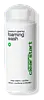
This salicylic acid foaming cleanser is formulated around Salicylic Acid to clear breakouts and unclog pores.
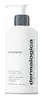
This oil-based makeup remover is made to dissolve makeup, sunscreen, and daily buildup.

What's inside
What's inside
 Key Ingredients
Benefits
Concerns
Ingredients Side-by-side
Salicylic Acid 0.5%
Masking










Water
Skin ConditioningCocamidopropyl Betaine
Cleansing
Sodium Lauroyl Methyl Isethionate
CleansingAcrylates/Beheneth-25 Methacrylate Copolymer
Polysorbate 20
Emulsifying
Melaleuca Alternifolia Leaf Oil
Antioxidant



Citrus Aurantium Dulcis Peel Oil
Masking
Lavandula Angustifolia Oil
Masking
Oleanolic Acid
Skin ConditioningButylene Glycol
Humectant

Enantia Chlorantha Bark Extract
Skin ConditioningDisodium Cocoamphodiacetate
CleansingSpiraea Ulmaria Extract
AstringentCamellia Sinensis Leaf Extract
Antimicrobial


Porphyra Umbilicalis Extract
Skin ConditioningGlycyrrhiza Glabra Rhizome/Root Extract
Skin ConditioningSodium Hydroxide
BufferingEthylhexylglycerin
Skin ConditioningPhenoxyethanol
Preservative
Salicylic Acid 0.5%, Water, Cocamidopropyl Betaine, Sodium Lauroyl Methyl Isethionate, Acrylates/Beheneth-25 Methacrylate Copolymer, Polysorbate 20, Melaleuca Alternifolia Leaf Oil, Citrus Aurantium Dulcis Peel Oil, Lavandula Angustifolia Oil, Oleanolic Acid, Butylene Glycol, Enantia Chlorantha Bark Extract, Disodium Cocoamphodiacetate, Spiraea Ulmaria Extract, Camellia Sinensis Leaf Extract, Porphyra Umbilicalis Extract, Glycyrrhiza Glabra Rhizome/Root Extract, Sodium Hydroxide, Ethylhexylglycerin, Phenoxyethanol
Caprylic/Capric Triglyceride
Masking
PEG-40 Sorbitan Peroleate
Emulsifying
Prunus Armeniaca Kernel Oil
Masking
Tocopherol
Antioxidant

Tocopheryl Acetate
Antioxidant
Ascorbyl Palmitate
Antioxidant

Citrus Aurantium Dulcis Peel Oil
Masking
Helianthus Annuus Seed Oil
Emollient
Dicaprylyl Carbonate
EmollientBorago Officinalis Seed Oil
Emollient
Citrus Paradisi Peel Oil
Masking
Citrus Nobilis Peel Oil
Masking
Rosmarinus Officinalis Leaf Extract
AntimicrobialAleurites Moluccanus Seed Oil
Skin Conditioning
Cymbopogon Citratus Leaf Oil
Masking
Lavandula Hybrida Oil
Emollient
Oryza Sativa Bran Oil
Emollient
Lavandula Angustifolia Oil
Masking
C12-15 Alkyl Benzoate
AntimicrobialCetyl Ethylhexanoate
EmollientCitral
Perfuming
Limonene
Perfuming
Linalool
Perfuming
Caprylic/Capric Triglyceride, PEG-40 Sorbitan Peroleate, Prunus Armeniaca Kernel Oil, Tocopherol, Tocopheryl Acetate, Ascorbyl Palmitate, Citrus Aurantium Dulcis Peel Oil, Helianthus Annuus Seed Oil, Dicaprylyl Carbonate, Borago Officinalis Seed Oil, Citrus Paradisi Peel Oil, Citrus Nobilis Peel Oil, Rosmarinus Officinalis Leaf Extract, Aleurites Moluccanus Seed Oil, Cymbopogon Citratus Leaf Oil, Lavandula Hybrida Oil, Oryza Sativa Bran Oil, Lavandula Angustifolia Oil, C12-15 Alkyl Benzoate, Cetyl Ethylhexanoate, Citral, Limonene, Linalool
Reviews
Ingredients Explained
These ingredients are found in both products.
Ingredients higher up in an ingredient list are typically present in a larger amount.
Citrus Aurantium Dulcis Peel Oil is oil from the peel of an orange fruit.
Limonene and linalool make up the majority of oils from citrus peels. Limonene has a "citrus" fragrance. Citrus peels also contain flavonoids, which have anti-inflammatory properties.
Citrus peel is also a rich source of flavonoids. Flavonoids are natural antioxidants and help protect your skin against damage. Flavonoids are a group of compounds naturally found in vegetables and fruits.
The term 'fragrance' is not regulated in many countries. In many cases, it is up to the brand to define this term. For instance, many brands choose to label themselves as "fragrance-free" because they are not using synthetic fragrances. However, their products may still contain ingredients such as essential oils that are considered a fragrance.
Learn more about Citrus Aurantium Dulcis Peel OilLavandula Angustifolia Oil is more commonly known as lavender essential oil. It is considered a fragrancing ingredient.
Lavender imparts a famous scent. While the smell is lovely, this ingredient and may sensitize skin in topical products. This is because about 85% of the oil is made up of linalool and linalyl acetate.
When exposed to air, these two compounds become strong allergens. This ingredient exhibits cytotoxicity at low concentrations; amounts of 0.25% have been shown to damage skin cells.
A study from Japan found this ingredient caused lavender sensitivity after widespread exposure.
Lavender essential oil has some antimicrobial, antibacterial, and anti-inflammatory properties. However, the cons of this ingredient may outweight the pros.
More research is needed to confirm lavender essential oil's effects when used in aromatherapy.
Lavandula Angustifolia is known as the English Lavender and famous for creating purple fields in Provence, France.
Learn more about Lavandula Angustifolia Oil

