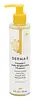
This glycolic acid gel cleanser is formulated around Glycolic Acid to exfoliate and smooth skin.
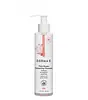
This mild cream cleanser is made to cleanse while calming and soothing your skin.

What's inside
What's inside
 Key Ingredients
Benefits
Concerns
Ingredients Side-by-side
Water
Skin ConditioningSodium Methyl Cocoyl Taurate
Cleansing
Cocamidopropyl Hydroxysultaine
Cleansing
Glyceryl Laurate
Emollient

Disodium Laureth Sulfosuccinate
CleansingCocamidopropyl Betaine
Cleansing

Niacinamide
Smoothing











Panthenol
Skin Conditioning
Glycolic Acid
Buffering

Glycyrrhiza Glabra Root Extract
Bleaching
Ascorbyl Palmitate
Antioxidant

Arctostaphylos Uva Ursi Leaf Extract
Skin Conditioning
Lilium Candidum Leaf Cell Extract
Skin ConditioningCamellia Sinensis Leaf Extract
Antimicrobial
Retinyl Palmitate
Skin Conditioning
Allantoin
Skin Conditioning
Citrus Aurantium Dulcis Oil
Masking
Potassium Sorbate
Preservative
Phenoxyethanol
Preservative
Ethylhexylglycerin
Skin ConditioningWater, Sodium Methyl Cocoyl Taurate, Cocamidopropyl Hydroxysultaine, Glyceryl Laurate, Disodium Laureth Sulfosuccinate, Cocamidopropyl Betaine, Niacinamide, Panthenol, Glycolic Acid, Glycyrrhiza Glabra Root Extract, Ascorbyl Palmitate, Arctostaphylos Uva Ursi Leaf Extract, Lilium Candidum Leaf Cell Extract, Camellia Sinensis Leaf Extract, Retinyl Palmitate, Allantoin, Citrus Aurantium Dulcis Oil, Potassium Sorbate, Phenoxyethanol, Ethylhexylglycerin
Water
Skin ConditioningGlycerin
Humectant
Decyl Glucoside
Cleansing
Stearyl Alcohol
Emollient
Panthenol
Skin Conditioning
Centella Asiatica Extract
Cleansing
Inulin
Skin Conditioning
Ganoderma Lucidum Extract
Skin Protecting
Lactobacillus/Panax Ginseng Root Extract Ferment Filtrate
Skin ConditioningXanthophylls
Skin ConditioningCucumis Sativus Fruit Extract
Emollient
Panax Quinquefolius Root Extract
AstringentCamellia Sinensis Leaf Extract
Antimicrobial
Chamomilla Recutita Flower Extract
Masking
Cymbopogon Schoenanthus Extract
Skin ConditioningAllantoin
Skin Conditioning
Aloe Barbadensis Leaf Juice
Skin Conditioning
Pinus Pinaster Bark Extract
Antioxidant
Glyceryl Stearate Citrate
Emollient
Xanthan Gum
EmulsifyingSucrose
Humectant
Tapioca Starch
Potassium Sorbate
Preservative
Phenoxyethanol
Preservative
Ethylhexylglycerin
Skin ConditioningWater, Glycerin, Decyl Glucoside, Stearyl Alcohol, Panthenol, Centella Asiatica Extract, Inulin, Ganoderma Lucidum Extract, Lactobacillus/Panax Ginseng Root Extract Ferment Filtrate, Xanthophylls, Cucumis Sativus Fruit Extract, Panax Quinquefolius Root Extract, Camellia Sinensis Leaf Extract, Chamomilla Recutita Flower Extract, Cymbopogon Schoenanthus Extract, Allantoin, Aloe Barbadensis Leaf Juice, Pinus Pinaster Bark Extract, Glyceryl Stearate Citrate, Xanthan Gum, Sucrose, Tapioca Starch, Potassium Sorbate, Phenoxyethanol, Ethylhexylglycerin
Reviews
Ingredients Explained
These ingredients are found in both products.
Ingredients higher up in an ingredient list are typically present in a larger amount.
Allantoin is a soothing ingredient known for its protective and moisturizing properties; it's basically a quiet workhorse ingredient you can find in a huge range of cosmetics.
Though it can be derived from the comfrey plant, allantoin is produced synthetically for cosmetic products to ensure purity.
Research shows it can encourage your skin cells to turn over and renew by stimulating keratinocyte and fibroblast proliferation.
It also has mild keratolytic properties to help loosen and shed dead skin cells without being harsh.
Studies also suggest allantoin can help calm inflammation by dialing down some of the chemical signals your skin sends out when it is irritated.
This ingredient is typically used in the 0.1-0.5% range, and the FDA recognizes it as a skin protectant in OTC products up to 2%.
Overall, allantoin is a wonderful addition to most routines; it is stable across a wide pH range (~4-8), works well with other ingredients, and is considered non-sensitizing/non-irritating.
Fun fact: Allantoin is naturally occurring in comfrey root, beets, chamomile, and wheat sprouts. Our bodies even produce it as a byproduct of uric acid metabolism.
Learn more about AllantoinCamellia Sinensis Leaf Extract (tea extract) is one of the most well-researched plant extracts in skincare with an impressive resume.
Black tea, green tea, and oolong tea are all harvested from the Camellia Sinensis plant.
Studies show green tea extract and its catechins (like epigallocatechin gallate (EGCG)) help your skin cells product energy more efficiently and reducing the number of free-radicals that can damage your skin from the inside.
In lab-grown skin models, this translated to younger, healthier, and stronger skin.
There's also good sun protection data; researchers saw less DNA damage and redness on human skin when green tea was applied before UVB exposure. And the more they applied, the better the protection.
Needless to say, this ingredient shouldn't replace your sunscreen. But it is a great supportive ingredient that you can already find in many sunscreens and antioxidant serums.
A 2009 study found a 2% green tea lotion was effective for mild-to-moderate acne thanks to its anti-inflammatory and mild antimicrobial activity.
The quality of the extract matters a lot here:
Good extracts contain 50-90% catechins while lower quality ones are mostly there for marketing. We recommend reaching out to the brand if you have questions about the quality or source of their ingredients.
Human Repeated Insult Patch Testing showed no irritation or sensitization at use concentrations (0.86% in leave-on products and up to 30% as leaf water).
Learn more about Camellia Sinensis Leaf ExtractEthylhexylglycerin is created from glycerin. It is a multitasker ingredient that:
The CIR Expert Panel found minimal skin absorption or sensitization of any kind in a safety assessment. Though this ingredient is considered well-tolerated, a small number of cases of allergic dermatitis have been published since 2002. Just be sure to patch test if you are unsure.
Industry-reported use ranges from 8% in rinse-off products and 2% in leave-on formulations.
Learn more about EthylhexylglycerinPanthenol is a common ingredient that helps hydrate and soothe the skin. It is found naturally in our skin and hair.
There are two forms of panthenol: D and L.
D-panthenol is also known as dexpanthenol. Most cosmetics use dexpanthenol or a mixture of D and L-panthenol.
Panthenol is famous due to its ability to go deeper into the skin's layers. Using this ingredient has numerous pros (and no cons):
Like hyaluronic acid, panthenol is a humectant. Humectants are able to bind and hold large amounts of water to keep skin hydrated.
This ingredient works well for wound healing. It works by increasing tissue in the wound and helps close open wounds.
Once oxidized, panthenol converts to pantothenic acid. Panthothenic acid is found in all living cells.
This ingredient is also referred to as pro-vitamin B5.
Learn more about PanthenolPhenoxyethanol is one of the most widely used preservatives in skincare (and for good reason!).
It has a large spectrum of antimicrobial activity and especially effective bacteria, yeast, and mold while only having a weak effect on your skin's natural microbiome.
On a cellular level, it disrupts the cell membranes of microbes by poking holes that make the cell leak. This shuts down the chemical reactions the microbe needs to make energy so it can no longer survive.
Another perk of this ingredient is that it stays functional across a wide pH range (3-10).
You'll often see it paired with boosters like Ethylhexylglycerin; one study showed that a 1:9 ratio of Ethylhexylglycerin to Phenoxyethanol damages bacterial membranes as effectively as doubling the Phenoxyethanol concentration on its own.
Typical use concentrations range from 0.3-1% depending on the formula, and this ingredient is capped at 1% int the EU.
Safety-wise, the fear mongering does not hold up to the evidence. The EU's Scientific Committee on Consumer Safety and FDA consider it safe as a preservative at up to 1%, including for children of all ages.
Adverse systemic effects only showed up in animal studies at exposures roughly 200x higher than what people get from cosmetics. And despite its very widespread use, this ingredient is a rare sensitizer and allergic reactions are uncommon.
Learn more about PhenoxyethanolPotassium Sorbate is a preservative used to prevent yeast and mold in products. It is commonly found in both cosmetic and food products.
This ingredient comes from potassium salt derived from sorbic acid. Sorbic acid is a natural antibiotic and effective against fungus.
Both potassium sorbate and sorbic acid can be found in baked goods, cheeses, dried meats, dried fruit, ice cream, pickles, wine, yogurt, and more.
You'll often find this ingredient used with other preservatives.
Learn more about Potassium SorbateWater. It's the most common cosmetic ingredient of all. You'll usually see it at the top of ingredient lists, meaning that it makes up the largest part of the product.
So why is it so popular? Water most often acts as a solvent - this means that it helps dissolve other ingredients into the formulation.
You'll also recognize water as that liquid we all need to stay alive. If you see this, drink a glass of water. Remember to stay hydrated!
Learn more about Water

