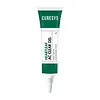
This acne treatment is formulated around Niacinamide and Salicylic Acid to clear breakouts and calm redness.
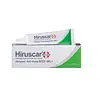
This acne treatment is formulated around Salicylic Acid and Allium Cepa Bulb Extract to clear breakouts and fade the look of dark spots.


What's inside
What's inside
 Key Ingredients
Benefits
Concerns
Ingredients Side-by-side
Water
Skin ConditioningNiacinamide
Smoothing











Glycerin
Humectant
Butylene Glycol
Humectant
Carbomer
Emulsion StabilisingDipotassium Glycyrrhizate
Humectant
Ethoxydiglycol
HumectantTriethanolamine
BufferingAloe Barbadensis Leaf Juice Powder
Skin Conditioning
Salicylic Acid
Masking





Allium Cepa Bulb Extract
Skin Conditioning
Centella Asiatica Extract
Cleansing
Maclura Cochinchinensis Leaf Prenylflavonoids
Illicium Verum Fruit Extract
Perfuming
Azelamidopropyl Dimethyl Amine
AntimicrobialHexamidine Diisethionate
Emollient
Magnolia Officinalis Bark Extract
Antimicrobial
Eucalyptus Globulus Leaf Extract
Perfuming
Sigesbeckia Orientalis Extract
Skin ConditioningHydrolyzed Royal Jelly Protein
Skin ConditioningHouttuynia Cordata Extract
Skin Conditioning
Allantoin
Skin Conditioning
Propanediol
Solvent
Phenoxyethanol
Preservative
Propylene Glycol
Humectant
Chlorphenesin
Antimicrobial
Amylopectin
Dextrin
AbsorbentDisodium EDTA
ChelatingXanthan Gum
EmulsifyingPotassium Sorbate
Preservative
Sodium Benzoate
Masking
Maltodextrin
Absorbent
Water, Niacinamide, Glycerin, Butylene Glycol, Carbomer, Dipotassium Glycyrrhizate, Ethoxydiglycol, Triethanolamine, Aloe Barbadensis Leaf Juice Powder, Salicylic Acid, Allium Cepa Bulb Extract, Centella Asiatica Extract, Maclura Cochinchinensis Leaf Prenylflavonoids, Illicium Verum Fruit Extract, Azelamidopropyl Dimethyl Amine, Hexamidine Diisethionate, Magnolia Officinalis Bark Extract, Eucalyptus Globulus Leaf Extract, Sigesbeckia Orientalis Extract, Hydrolyzed Royal Jelly Protein, Houttuynia Cordata Extract, Allantoin, Propanediol, Phenoxyethanol, Propylene Glycol, Chlorphenesin, Amylopectin, Dextrin, Disodium EDTA, Xanthan Gum, Potassium Sorbate, Sodium Benzoate, Maltodextrin


Reviews
Ingredients Explained
These ingredients are found in both products.
Ingredients higher up in an ingredient list are typically present in a larger amount.
Red onion extract? This ingredient not only benefits our diet but also offers numerous benefits for the skin.
Like many other plant extracts, red onion is loaded with antioxidants and nutrients. The red color of the onion comes from its high anthocyanin content - and anthocyanin is a potent antioxidant.
Besides being rich in antioxidants, red onions also contain sulfur, sugars, Vitamin C, and biotin.
A study from 2018 found onion extract to be just as effective as healing surgical scars as traditional silicone gel.
Another study from 2008 showed using this ingredient helped reduce surgical scar texture, redness, and overall appearance in 60 patients.
According to a manufacturer, this ingredient can help with the following:
Another manufacturer from Spain claims onion extract can inhibit the release of allergy hormones and prostaglandin, or lipids found near tissue damage and infection spots.
This ingredient is water-soluble.
Learn more about Allium Cepa Bulb ExtractSalicylic Acid (also known as beta hydroxy acid or BHA) is a well-known ingredient for treating skin that struggles with acne and clogged pores. It exfoliates both the skin's surface and deep within the pores to help clear out buildup, control oil, and reduce inflammation.
Unlike AHAs (alpha hydroxy acids), salicylic acid is oil-soluble. This allows it to penetrate into pores which makes it especially effective for treating blackheads and preventing future breakouts.
Salicylic acid is also known for its soothing properties. It has a similar structure to aspirin and can calm inflamed or irritated skin, making it a good option for acne-prone skin that is also sensitive.
Concentrations of 0.5-2% are recognized by the U.S. FDA as an over-the-counter topical acne product.
It can cause irritation and/or dryness if one's skin already has a compromised moisture barrier, so it's best to focus on repairing that before introducing this ingredient into your routine.
While salicylic acid does not increase sun sensitivity, it’s still important to wear sunscreen daily to protect your skin.
If you are looking for the ingredient called BHA or Butylated Hydroxyanisole, click here.
Learn more about Salicylic Acid

