

What's inside
What's inside
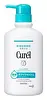 Key Ingredients
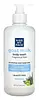
No key ingredients
Benefits
Concerns
Ingredients Side-by-side
Dipotassium Glycyrrhizate
Humectant

Water
Skin ConditioningSodium Laureth Sulfate
Cleansing



Coco-Glucoside
Cleansing
Lauryl Hydroxysultaine
CleansingPPG-4 Lauryl Ether
EmollientPPG-10 Lauryl Ether
Alcohol
Antimicrobial

Sodium Hydroxide
BufferingSodium Chloride
MaskingPolyquaternium-39
Methyl Gluceth-10
EmulsifyingEucalyptus Maculata Extract
Skin ConditioningMalic Acid
Buffering




Acrylamide
Ethylhexylglycerin
Skin ConditioningCetyl Pyrrolidonylmethyl Dimonium Chloride
Butylene Glycol
Humectant

Sodium Benzoate
Masking
Dipotassium Glycyrrhizate, Water, Sodium Laureth Sulfate, Coco-Glucoside, Lauryl Hydroxysultaine, PPG-4 Lauryl Ether, PPG-10 Lauryl Ether, Alcohol, Sodium Hydroxide, Sodium Chloride, Polyquaternium-39, Methyl Gluceth-10, Eucalyptus Maculata Extract, Malic Acid, Acrylamide, Ethylhexylglycerin, Cetyl Pyrrolidonylmethyl Dimonium Chloride, Butylene Glycol, Sodium Benzoate
Water
Skin ConditioningSodium Coco-Sulfate
Cleansing
Cocamidopropyl Betaine
Cleansing
Decyl Glucoside
Cleansing
Sodium Chloride
MaskingAloe Barbadensis Leaf Extract
Emollient
Olea Europaea Fruit Oil
Masking



Caprae Lac
Skin ConditioningLactobacillus Ferment
Skin Conditioning
Maltodextrin
Absorbent
Argania Spinosa Kernel Oil
Emollient
Panthenol
Skin Conditioning
Magnesium Ascorbyl Phosphate
Antioxidant




Lecithin
Emollient
Xanthan Gum
EmulsifyingAllantoin
Skin Conditioning
Tocopheryl Acetate
Antioxidant
Citric Acid
Buffering
Coco-Glucoside
Cleansing
Glyceryl Oleate
Emollient
Alcohol
Antimicrobial
Potassium Sorbate
Preservative
Phenoxyethanol
Preservative
Water, Sodium Coco-Sulfate, Cocamidopropyl Betaine, Decyl Glucoside, Sodium Chloride, Aloe Barbadensis Leaf Extract, Olea Europaea Fruit Oil, Caprae Lac, Lactobacillus Ferment, Maltodextrin, Argania Spinosa Kernel Oil, Panthenol, Magnesium Ascorbyl Phosphate, Lecithin, Xanthan Gum, Allantoin, Tocopheryl Acetate, Citric Acid, Coco-Glucoside, Glyceryl Oleate, Alcohol, Potassium Sorbate, Phenoxyethanol
Reviews
Ingredients Explained
These ingredients are found in both products.
Ingredients higher up in an ingredient list are typically present in a larger amount.
This ingredient is also called ethanol or ethyl alcohol. It is denatured, meaning made undrinkable for cosmetic use.
In formulas, it:
Is it bad for your skin?
The answer comes down to concentration. Patch and wash studies have found highly concentrated alcohol-based hand rubs (60-100%) cause less barrier disruption than washing with a basic detergent like SLS. The only measurable effect in these studies was a temporary dip in skin hydration.
Concentrations below 12-15% in leave-on cosmetics is generally well-tolerated. Concentrations above start to see increased transepidermal water loss (TEWL) and reduced hydration.
In concentrations about 58%, it creates temporary channels in your skin's lipid layers to become more permeable and allow other ingredients to slip through easily.
This ingredient can be up to 80% of the formula in alcohol-based perfumes.
Overall, this ingredient is probably harmless if found lower down an ingredients list but worth side-eyeing if it's high up (especially if your barrier is already struggling).
Alcohol can worsen dry skin, eczema, and oily skin, especially at higher concentrations. This is because it can increase transepidermal water loss and decrease hydration to disrupt the skin barrier.
According to the National Rosacea Society based in the US, you should be mindful of products with these alcohols in the top half of ingredients.
True allergic contact dermatitis to ethanol is uncommon, but be sure to patch test if you have dry or sensitive skin.
Learn more about AlcoholCoco-Glucoside is a surfactant, or a cleansing ingredient. It is made from glucose and coconut oil.
Surfactants help gather dirt, oil, and other pollutants from your skin to be rinsed away.
This ingredient is considered gentle and non-comedogenic. However, it may still be irritating for some.
Learn more about Coco-GlucosideChances are, you eat sodium chloride every day. Sodium Chloride is also known as table salt. This ingredient has many purposes in skincare: thickener, emulsifier, and exfoliator.
You'll most likely find this ingredient in cleansers where it is used to create a gel-like texture. As an emulsifier, it also prevents ingredients from separating.
You might see people debate whether Sodium Chloride is comedogenic, but there actually haven't been any comedogenic tests done on it. Either way, the overall formulation of a product matters a lot more than any single ingredient.
You might see this ingredient used in scrubs as a primary exfoliating ingredient.
Learn more about Sodium ChlorideWater. It's the most common cosmetic ingredient of all. You'll usually see it at the top of ingredient lists, meaning that it makes up the largest part of the product.
So why is it so popular? Water most often acts as a solvent - this means that it helps dissolve other ingredients into the formulation.
You'll also recognize water as that liquid we all need to stay alive. If you see this, drink a glass of water. Remember to stay hydrated!
Learn more about Water

