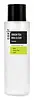
This pore-care toner is formulated around Camellia Sinensis Leaf Extract and Betaine Salicylate to refine the look of pores and balance excess oil.
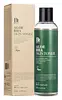
This calming toner is formulated around Aloe Barbadensis Leaf Juice and Salicylic Acid to calm redness and clear breakouts.

What's inside
What's inside
 Key Ingredients
Benefits
Concerns
Ingredients Side-by-side
Water
Skin ConditioningButylene Glycol
Humectant

Glycerin
Humectant
Sodium Hyaluronate
Humectant


1,2-Hexanediol
Skin Conditioning
Aloe Barbadensis Leaf Extract
Emollient
Camellia Sinensis Leaf Extract
Antimicrobial



Betaine Salicylate
Antimicrobial



Arginine
Masking
Panax Ginseng Root Extract
Emollient
Honey
Humectant
Rosa Multiflora Fruit Extract
MaskingGardenia Florida Fruit Extract
Skin ConditioningScutellaria Baicalensis Root Extract
Astringent
Ligustrum Japonicum Fruit Extract
Skin ConditioningAcanthopanax Senticosus Root Extract
Skin ConditioningPunica Granatum Fruit Extract
Antioxidant
Carthamus Tinctorius Flower Extract
Skin ConditioningBetaine
Humectant
Allantoin
Skin Conditioning
Leontopodium Alpinum Extract
Skin ConditioningThymus Vulgaris Extract
Perfuming
Malva Sylvestris Flower Extract
Skin ConditioningBambusa Vulgaris Leaf/Stem Extract
HumectantSnail Secretion Filtrate
Skin Conditioning
Ethylhexylglycerin
Skin ConditioningParfum
Masking

Water, Butylene Glycol, Glycerin, Sodium Hyaluronate, 1,2-Hexanediol, Aloe Barbadensis Leaf Extract, Camellia Sinensis Leaf Extract, Betaine Salicylate, Arginine, Panax Ginseng Root Extract, Honey, Rosa Multiflora Fruit Extract, Gardenia Florida Fruit Extract, Scutellaria Baicalensis Root Extract, Ligustrum Japonicum Fruit Extract, Acanthopanax Senticosus Root Extract, Punica Granatum Fruit Extract, Carthamus Tinctorius Flower Extract, Betaine, Allantoin, Leontopodium Alpinum Extract, Thymus Vulgaris Extract, Malva Sylvestris Flower Extract, Bambusa Vulgaris Leaf/Stem Extract, Snail Secretion Filtrate, Ethylhexylglycerin, Parfum
Aloe Barbadensis Leaf Water
MaskingWater
Skin ConditioningButylene Glycol
Humectant
Glycerin
Humectant
Dipropylene Glycol
HumectantPentylene Glycol
Skin Conditioning
1,2-Hexanediol
Skin Conditioning
Aloe Barbadensis Leaf Juice
Skin Conditioning
Sodium Hyaluronate
Humectant
Portulaca Oleracea Extract
Skin Conditioning
Psidium Guajava Fruit Extract
AstringentAspalathus Linearis Extract
Skin ConditioningCynanchum Atratum Extract
Skin ConditioningSalicylic Acid
Masking


Perilla Ocymoides Leaf Extract
TonicSchisandra Chinensis Fruit Extract
Skin Conditioning
Acorus Calamus Root Extract
Perfuming
Aloe Barbadensis Leaf Extract
Emollient
Althaea Rosea Root Extract
HumectantPolyglutamic Acid
Skin Conditioning
Beta-Glucan
Skin Conditioning
Arginine
Masking
Allantoin
Skin Conditioning
Citrus Paradisi Fruit Extract
Skin ConditioningCaprylyl Glycol
Emollient
C12-14 Pareth-12
EmulsifyingAcrylates/C10-30 Alkyl Acrylate Crosspolymer
Emulsion StabilisingXanthan Gum
EmulsifyingAloe Barbadensis Leaf Water, Water, Butylene Glycol, Glycerin, Dipropylene Glycol, Pentylene Glycol, 1,2-Hexanediol, Aloe Barbadensis Leaf Juice, Sodium Hyaluronate, Portulaca Oleracea Extract, Psidium Guajava Fruit Extract, Aspalathus Linearis Extract, Cynanchum Atratum Extract, Salicylic Acid, Perilla Ocymoides Leaf Extract, Schisandra Chinensis Fruit Extract, Acorus Calamus Root Extract, Aloe Barbadensis Leaf Extract, Althaea Rosea Root Extract, Polyglutamic Acid, Beta-Glucan, Arginine, Allantoin, Citrus Paradisi Fruit Extract, Caprylyl Glycol, C12-14 Pareth-12, Acrylates/C10-30 Alkyl Acrylate Crosspolymer, Xanthan Gum
Reviews
Ingredients Explained
These ingredients are found in both products.
Ingredients higher up in an ingredient list are typically present in a larger amount.
1,2-Hexanediol is a synthetic liquid and another multi-functional powerhouse.
It is a:
- Humectant, drawing moisture into the skin
- Emollient, helping to soften skin
- Solvent, dispersing and stabilizing formulas
- Preservative booster, enhancing the antimicrobial activity of other preservatives
Allantoin is a soothing ingredient known for its protective and moisturizing properties; it's basically a quiet workhorse ingredient you can find in a huge range of cosmetics.
Though it can be derived from the comfrey plant, allantoin is produced synthetically for cosmetic products to ensure purity.
Research shows it can encourage your skin cells to turn over and renew by stimulating keratinocyte and fibroblast proliferation.
It also has mild keratolytic properties to help loosen and shed dead skin cells without being harsh.
Studies also suggest allantoin can help calm inflammation by dialing down some of the chemical signals your skin sends out when it is irritated.
This ingredient is typically used in the 0.1-0.5% range, and the FDA recognizes it as a skin protectant in OTC products up to 2%.
Overall, allantoin is a wonderful addition to most routines; it is stable across a wide pH range (~4-8), works well with other ingredients, and is considered non-sensitizing/non-irritating.
Fun fact: Allantoin is naturally occurring in comfrey root, beets, chamomile, and wheat sprouts. Our bodies even produce it as a byproduct of uric acid metabolism.
Learn more about AllantoinAloe Barbadensis Leaf Extract is a botanical extract pulled from the leaves of aloe vera and one of the most studied plant ingredients in cosmetics.
The inner leaf gel it comes from is mostly water (~99-99.5%) and the remaining fraction is made up of pretty good stuff: polysaccharides, vitamins, phenolics, and enzymes.
Its headline job is hydration.
The star polysaccharide in aloe, acemannan, is a humectant that retains moisture and helps reduce trans-epidermal water loss.
Aloe also has real soothing credentials; it contains anti-inflammatory compounds like bradykinase and C-glucosyl chromone that help calm irritation and redness.
On the repair side, lab work shows that acemannan wakes up your skin's repair cells (fibroblasts), prompting them to multiply and speed up healing.
There's some human data for cosmetic benefit too: a cream containing 10% Aloe Barbadensis leaf extract improved skin hydration and elasticity in a real-use study.
Safety-wise, this ingredient is well-regarded with just one rare downside; there have been some case reports of acute eczema, contact urticaria, and dermatitis in people who applied aloe-derived ingredients topically. Those with a known aloe or Liliaceae sensitivity should patch test.
Typical use levels range widely, from under 1% up to 90%+ depending on the format and the effect you are after.
Learn more about Aloe Barbadensis Leaf ExtractArginine is a semi-essential amino acid. This just means our bodies can product a bit on its own, but sometimes needs a little boost from food sources.
It is a part of your skin's natural moisturizing factor (NMF), or the water-loving molecules in your outermost layer of skin (stratum corneum) that keeps everything hydrated and happy.
Here's an interesting thing about Arginine: your skin converts it into urea through the Krebs-Henseleit urea cycle. Urea is one of the most effective humectants your skin naturally produces.
A clinical study showed applying 2.5% arginine hydrochloride to atopic dermatitis skin showed significant urea levels in the stratum corneum and improved moisture in just four weeks.
Arginine is also a precursor to nitric oxide; nitric oxide improves microcirculation and supports wound healing and collagen synthesis.
One study found that an amino acid complex containing Arginine reduced skin irritation, improved hydration, and accelerated skin repair in clinical / in-vivo studies.
Arginine itself is an amino acid and not a fatty acid, oil, or ester. On its own, it's not a direct food source for Malassezia, or the yeast that causes fungal acne.
Learn more about ArginineButylene Glycol (or BG) is used within cosmetic products for a few different reasons:
Overall, Butylene Glycol is a safe and well-rounded ingredient that works well with other ingredients.
Though this ingredient works well with most skin types, some people with sensitive skin may experience a reaction such as allergic rashes, closed comedones, or itchiness.
Learn more about Butylene GlycolGlycerin (or glycerol) is a compound naturally found in your skin. It's a powerhouse humectant that pulls water into the stratum corneum.
Topically, glycerin does several things at once:
Your skin makes glycerin on its own (mostly from sebaceous oil breakdown) and shuttles it to your outermost layer of skin, or your epidermis, via aquaporin-3.
Aquaporin-3 is a transporter that is essential for normal skin hydration, elasticity, and repair. Interestingly, mice lacking in AQP3 have dry and less elastic skin that can be fully corrected with glycerin.
This ingredient is non-irritating, plays well with almost every ingredient, and works across all skin types. Typical use is anywhere between 3-10% but can go up to 79% in some leave-on products.
Just know very high concentrations (>40%) can feel tacky in low humidity.
Glycerin is the name for this ingredient in American English. British English uses Glycerol/Glycerine.
Learn more about GlycerinSodium Hyaluronate is the salt form of hyaluronic acid. It is a long sugar chain that is naturally found in your skin, joints, and connective tissue that maintains hydration and elasticity.
In skincare, it works as a humectant. It pulls water from the environment and deeper layers of skin and binds it to the surface.
Interestingly, the size of the molecule affects its behavior:
Some clinical evidence links low molecular weight versions to improved wrinkle depth, elasticity, anti-inflammatory effects, and barrier repair.
Many serums use a blend of both weights so you can get surface hydration plus longer-lasting and deeper effects.
You'll typically see concentrations between 0.1-2% for this ingredient.
Learn more about Sodium HyaluronateWater. It's the most common cosmetic ingredient of all. You'll usually see it at the top of ingredient lists, meaning that it makes up the largest part of the product.
So why is it so popular? Water most often acts as a solvent - this means that it helps dissolve other ingredients into the formulation.
You'll also recognize water as that liquid we all need to stay alive. If you see this, drink a glass of water. Remember to stay hydrated!
Learn more about Water

