
What's inside
What's inside
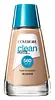 Key Ingredients
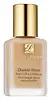
Benefits
Concerns
Ingredients Side-by-side
Water
Skin ConditioningCyclopentasiloxane
Emollient
Propylene Glycol
Humectant


Talc
Abrasive
Glycerin
Humectant

PEG/PPG-18/18 Dimethicone
Emulsifying
Cetyl Ethylhexanoate
EmollientCyclomethicone
Emollient
Magnesium Sulfate
Silica
Abrasive

Laureth-7
EmulsifyingArachidyl Behenate
EmollientSodium Dehydroacetate
Preservative
Trihydroxystearin
Skin Conditioning
Propylparaben
Preservative

Methicone
Emollient
Isopropyl Titanium Triisostearate
Emollient
Methylparaben
Preservative
Synthetic Wax
Abrasive
Trisodium EDTA
ChelatingEthylene Brassylate
MaskingStearic Acid
Cleansing
Titanium Dioxide
Cosmetic Colorant
Iron Oxides
Mica
Cosmetic ColorantWater, Cyclopentasiloxane, Propylene Glycol, Talc, Glycerin, PEG/PPG-18/18 Dimethicone, Cetyl Ethylhexanoate, Cyclomethicone, Magnesium Sulfate, Silica, Laureth-7, Arachidyl Behenate, Sodium Dehydroacetate, Trihydroxystearin, Propylparaben, Methicone, Isopropyl Titanium Triisostearate, Methylparaben, Synthetic Wax, Trisodium EDTA, Ethylene Brassylate, Stearic Acid, Titanium Dioxide, Iron Oxides, Mica
Water
Skin ConditioningCyclopentasiloxane
Emollient
Trimethylsiloxysilicate
Emollient
PEG/PPG-18/18 Dimethicone
Emulsifying
Butylene Glycol
Humectant
Tribehenin
Emollient
Polyglyceryl-3 Diisostearate
Emulsifying
Magnesium Sulfate
Tocopheryl Acetate
Antioxidant


Polymethylsilsesquioxane
Methicone
Emollient
Laureth-7
EmulsifyingXanthan Gum
EmulsifyingAlumina
Abrasive
Sodium Dehydroacetate
Preservative
Disteardimonium Hectorite
StabilisingCellulose Gum
Emulsion StabilisingPropylene Carbonate
SolventPentaerythrityl Tetra-Di-T-Butyl Hydroxyhydrocinnamate
Antioxidant
Phenoxyethanol
Preservative
CI 77491
Cosmetic ColorantCI 77492
Cosmetic ColorantCI 77499
Cosmetic ColorantMica
Cosmetic ColorantCI 77891
Cosmetic ColorantWater, Cyclopentasiloxane, Trimethylsiloxysilicate, PEG/PPG-18/18 Dimethicone, Butylene Glycol, Tribehenin, Polyglyceryl-3 Diisostearate, Magnesium Sulfate, Tocopheryl Acetate, Polymethylsilsesquioxane, Methicone, Laureth-7, Xanthan Gum, Alumina, Sodium Dehydroacetate, Disteardimonium Hectorite, Cellulose Gum, Propylene Carbonate, Pentaerythrityl Tetra-Di-T-Butyl Hydroxyhydrocinnamate, Phenoxyethanol, CI 77491, CI 77492, CI 77499, Mica, CI 77891
Reviews
Ingredients Explained
These ingredients are found in both products.
Ingredients higher up in an ingredient list are typically present in a larger amount.
Cyclopentasiloxane (D5) is a lightweight silicone that mostly acts as an emollient and solvent in cosmetics. Its the reason your products feel silky, fast-spreading, and non-greasy.
Since D5 is volatile, it does its thing and then evaporates off the skin quickly.
The safety profile of this ingredient is reassuring; the US CIR Expert Panel concluded D5 is safe as used in cosmetics and Health Canada concluded that D5 is not harmful to human health or the environment as currently used in cosmetics
There's a study that people mention about D5 in a rat study showing tumors. This study is related to long-term inhalation of high D5 levels.
Regulatory bodies have judged this study to be not applicable in topical skincare since skin absorption of D5 is very low and we're not really inhaling huge amounts of D5.
The only restriction for this ingredient is environmental. The European Chemicals Agency (ECHA) restricted D5 in wash-off cosmetics at or above 0.1% due to their persistence in water.
Learn more about CyclopentasiloxaneLaureth-7 is created by the ethoxylation of lauryl alcohol using ethylene oxide. Lauryl alcohol is a fatty alcohol with hydrating properties.
This ingredient is an emulsifier and cleansing ingredient. As an emulsifier, it is used to prevent ingredients from separating. It also helps cleanse the skin by gathering dirt, oil, and pollutants to be rinsed away.
Magnesium Sulfate is a salt. More specifically, it is an epsom salt, or the bath salt used to help relieve muscle aches.
Despite having ‘sulfate’ in the name, it isn’t a surfactant or cleansing agent like sodium lauryl sulfate. Unlike those sulfates, magnesium sulfate doesn’t have the same cleansing or foaming properties (it's simply a type of salt).
In cosmetics, Magnesium Sulfate is used to thicken a product or help dilute other solids. It is a non-reactive and non-irritating ingredient.
One study shows magnesium deficiency may lead to inflammation of the skin. Applying magnesium topically may help reduce inflammation.
You can find this ingredient in sea water or mineral deposits.
Learn more about Magnesium SulfateMethicone is a type of silicone and is a simpler form of dimethicone.
Silicones are used to enhance the texture of products and have emollient properties. Methicone is used to give products a silky texture and improves spreadability.
Mica is a naturally occurring mineral used to add shimmer and color in cosmetics. It can also help improve the texture of a product or give it an opaque, white/silver color.
Serecite is the name for very fine but ragged grains of mica.
This ingredient is often coated with metal oxides like titanium dioxide. Trace amounts of heavy metals may be found in mica, but these metals are not harmful in our personal products.
Mica has been used since prehistoric times throughout the world. Ancient Egyptian, Indian, Greek, Roman, Aztec, and Chinese civilizations have used mica.
Learn more about MicaPEG/PPG-18/18 Dimethicone is a modified version of dimethicone with emulsifying properties. It helps add a silky and lightweight feel to products like sunscreens and foundations.
Its unique structure allows it to bridge the gap between water-loving and oil-loving ingredients. This makes it especially good at creating stable, velvety, and elegant formulations.
Sodium Dehydroacetate is a synthetic preservative and sodium salt form of dehydroacetic acid. It stops bacteria, mold, and yeast from growing in your products at low concentrations.
Clinical testing found it to be non-irritating, non-sensitizing, and non-photosensitizing. It's also not significantly absorbed through skin.
There are a very small number of reported cases of contact dermatitis in cases linked to wound-care creams used over compromised skin (rather than skincare).
Overall, this is a well-studied and low-risk preservative just doing its job.
Typical concentrations run up to 0.6%, which is also the maximum amount permitted under both EU CosIng regulations and US FDA guidelines.
Learn more about Sodium DehydroacetateWater. It's the most common cosmetic ingredient of all. You'll usually see it at the top of ingredient lists, meaning that it makes up the largest part of the product.
So why is it so popular? Water most often acts as a solvent - this means that it helps dissolve other ingredients into the formulation.
You'll also recognize water as that liquid we all need to stay alive. If you see this, drink a glass of water. Remember to stay hydrated!
Learn more about Water

