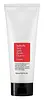
This salicylic acid cream cleanser is formulated around Salicylic Acid to clear breakouts and unclog pores.
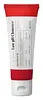
This salicylic acid gel cleanser is formulated around Salicylic Acid to clear breakouts and unclog pores.

What's inside
What's inside
 Key Ingredients
Benefits
Concerns
Ingredients Side-by-side
Water
Skin ConditioningMyristic Acid
Cleansing




Sodium Chloride
MaskingEthyl Hexanediol
SolventCocamidopropyl Betaine
Cleansing

Citrus Limon Fruit Oil
Astringent
Sodium Methyl Cocoyl Taurate
Cleansing
Ethylhexylglycerin
Skin ConditioningStearic Acid
Cleansing
PEG-60 Hydrogenated Castor Oil
Emulsifying
Polysorbate 80
Emulsifying
Caprylyl Glycol
Emollient
Glycerin
Humectant

Potassium Hydroxide
BufferingSalicylic Acid
Masking







Lauric Acid
Cleansing
Butylene Glycol
Humectant
Salix Alba Bark Water
Astringent
1,2-Hexanediol
Skin Conditioning
Disodium EDTA
ChelatingGlycol Distearate
Emollient
Melaleuca Alternifolia Leaf Oil
Antioxidant


Citric Acid
Buffering
Water, Myristic Acid, Sodium Chloride, Ethyl Hexanediol, Cocamidopropyl Betaine, Citrus Limon Fruit Oil, Sodium Methyl Cocoyl Taurate, Ethylhexylglycerin, Stearic Acid, PEG-60 Hydrogenated Castor Oil, Polysorbate 80, Caprylyl Glycol, Glycerin, Potassium Hydroxide, Salicylic Acid, Lauric Acid, Butylene Glycol, Salix Alba Bark Water, 1,2-Hexanediol, Disodium EDTA, Glycol Distearate, Melaleuca Alternifolia Leaf Oil, Citric Acid
Water
Skin ConditioningDisodium Laureth Sulfosuccinate
CleansingDipropylene Glycol
HumectantGlycerin
Humectant
Disodium Cocoamphodiacetate
CleansingSodium Cocoyl Isethionate
Cleansing
Coco-Betaine
Cleansing
Acrylates Copolymer
Sodium Chloride
MaskingArginine
Masking
Hydrogenated Coconut Acid
Emollient
Hydroxyacetophenone
Antioxidant
Acrylates/C10-30 Alkyl Acrylate Crosspolymer
Emulsion StabilisingSodium Isethionate
CleansingSalicylic Acid
Masking
1,2-Hexanediol
Skin Conditioning
Butylene Glycol
Humectant
Ethylhexylglycerin
Skin ConditioningHexylene Glycol
EmulsifyingArtemisia Vulgaris Oil
Perfuming
Allantoin
Skin Conditioning
Melaleuca Alternifolia Leaf Water
Antimicrobial
Glucose
Humectant
Melaleuca Alternifolia Leaf Extract
Perfuming
Copper Tripeptide-1
Skin Conditioning

Glycine
Buffering
Glutamic Acid
Humectant
Serine
Masking
Alanine
Masking
Solanum Melongena Fruit Extract
Skin ConditioningHexapeptide-61 Dimer
Skin Conditioning
Oligopeptide-19
Skin Conditioning
Lupeol
Skin ConditioningWater, Disodium Laureth Sulfosuccinate, Dipropylene Glycol, Glycerin, Disodium Cocoamphodiacetate, Sodium Cocoyl Isethionate, Coco-Betaine, Acrylates Copolymer, Sodium Chloride, Arginine, Hydrogenated Coconut Acid, Hydroxyacetophenone, Acrylates/C10-30 Alkyl Acrylate Crosspolymer, Sodium Isethionate, Salicylic Acid, 1,2-Hexanediol, Butylene Glycol, Ethylhexylglycerin, Hexylene Glycol, Artemisia Vulgaris Oil, Allantoin, Melaleuca Alternifolia Leaf Water, Glucose, Melaleuca Alternifolia Leaf Extract, Copper Tripeptide-1, Glycine, Glutamic Acid, Serine, Alanine, Solanum Melongena Fruit Extract, Hexapeptide-61 Dimer, Oligopeptide-19, Lupeol
Reviews
Ingredients Explained
These ingredients are found in both products.
Ingredients higher up in an ingredient list are typically present in a larger amount.
1,2-Hexanediol is a synthetic liquid and another multi-functional powerhouse.
It is a:
- Humectant, drawing moisture into the skin
- Emollient, helping to soften skin
- Solvent, dispersing and stabilizing formulas
- Preservative booster, enhancing the antimicrobial activity of other preservatives
Butylene Glycol (or BG) is used within cosmetic products for a few different reasons:
Overall, Butylene Glycol is a safe and well-rounded ingredient that works well with other ingredients.
Though this ingredient works well with most skin types, some people with sensitive skin may experience a reaction such as allergic rashes, closed comedones, or itchiness.
Learn more about Butylene GlycolEthylhexylglycerin is created from glycerin. It is a multitasker ingredient that:
The CIR Expert Panel found minimal skin absorption or sensitization of any kind in a safety assessment. Though this ingredient is considered well-tolerated, a small number of cases of allergic dermatitis have been published since 2002. Just be sure to patch test if you are unsure.
Industry-reported use ranges from 8% in rinse-off products and 2% in leave-on formulations.
Learn more about EthylhexylglycerinGlycerin (or glycerol) is a compound naturally found in your skin. It's a powerhouse humectant that pulls water into the stratum corneum.
Topically, glycerin does several things at once:
Your skin makes glycerin on its own (mostly from sebaceous oil breakdown) and shuttles it to your outermost layer of skin, or your epidermis, via aquaporin-3.
Aquaporin-3 is a transporter that is essential for normal skin hydration, elasticity, and repair. Interestingly, mice lacking in AQP3 have dry and less elastic skin that can be fully corrected with glycerin.
This ingredient is non-irritating, plays well with almost every ingredient, and works across all skin types. Typical use is anywhere between 3-10% but can go up to 79% in some leave-on products.
Just know very high concentrations (>40%) can feel tacky in low humidity.
Glycerin is the name for this ingredient in American English. British English uses Glycerol/Glycerine.
Learn more about GlycerinSalicylic Acid (also known as beta hydroxy acid or BHA) is a well-known ingredient for treating skin that struggles with acne and clogged pores. It exfoliates both the skin's surface and deep within the pores to help clear out buildup, control oil, and reduce inflammation.
Unlike AHAs (alpha hydroxy acids), salicylic acid is oil-soluble. This allows it to penetrate into pores which makes it especially effective for treating blackheads and preventing future breakouts.
Salicylic acid is also known for its soothing properties. It has a similar structure to aspirin and can calm inflamed or irritated skin, making it a good option for acne-prone skin that is also sensitive.
Concentrations of 0.5-2% are recognized by the U.S. FDA as an over-the-counter topical acne product.
It can cause irritation and/or dryness if one's skin already has a compromised moisture barrier, so it's best to focus on repairing that before introducing this ingredient into your routine.
While salicylic acid does not increase sun sensitivity, it’s still important to wear sunscreen daily to protect your skin.
If you are looking for the ingredient called BHA or Butylated Hydroxyanisole, click here.
Learn more about Salicylic AcidChances are, you eat sodium chloride every day. Sodium Chloride is also known as table salt. This ingredient has many purposes in skincare: thickener, emulsifier, and exfoliator.
You'll most likely find this ingredient in cleansers where it is used to create a gel-like texture. As an emulsifier, it also prevents ingredients from separating.
You might see people debate whether Sodium Chloride is comedogenic, but there actually haven't been any comedogenic tests done on it. Either way, the overall formulation of a product matters a lot more than any single ingredient.
You might see this ingredient used in scrubs as a primary exfoliating ingredient.
Learn more about Sodium ChlorideWater. It's the most common cosmetic ingredient of all. You'll usually see it at the top of ingredient lists, meaning that it makes up the largest part of the product.
So why is it so popular? Water most often acts as a solvent - this means that it helps dissolve other ingredients into the formulation.
You'll also recognize water as that liquid we all need to stay alive. If you see this, drink a glass of water. Remember to stay hydrated!
Learn more about Water

