What's inside
What's inside
 Key Ingredients
Benefits
Concerns
Ingredients Side-by-side
Water
Skin ConditioningAcrylates Copolymer
Butylene Glycol
Humectant

Glycerin
Humectant
Disodium Laureth Sulfosuccinate
CleansingSodium Cocoyl Isethionate
Cleansing
1,2-Hexanediol
Skin Conditioning
Coco-Glucoside
Cleansing
Lauryl Betaine
CleansingSnail Secretion Filtrate
Skin Conditioning


Arginine
Masking
Tromethamine
BufferingPotassium Cocoyl Glycinate
Surfactant
Parfum
Masking



Carbomer
Emulsion StabilisingSodium Chloride
MaskingEthylhexylglycerin
Skin ConditioningAcrylates/C10-30 Alkyl Acrylate Crosspolymer
Emulsion StabilisingSodium Polyacrylate
Absorbent
Disodium EDTA
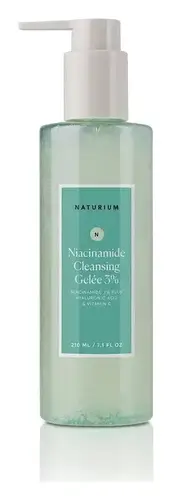
Water, Acrylates Copolymer, Butylene Glycol, Glycerin, Disodium Laureth Sulfosuccinate, Sodium Cocoyl Isethionate, 1,2-Hexanediol, Coco-Glucoside, Lauryl Betaine, Snail Secretion Filtrate, Arginine, Tromethamine, Potassium Cocoyl Glycinate, Parfum, Carbomer, Sodium Chloride, Ethylhexylglycerin, Acrylates/C10-30 Alkyl Acrylate Crosspolymer, Sodium Polyacrylate, Disodium EDTA
Water
Skin ConditioningDisodium Cocoamphodiacetate
CleansingCoco-Betaine
Cleansing
Sodium Cocoyl Alaninate
Surfactant
Disodium Cocoyl Glutamate
Cleansing
Sodium Chloride
MaskingGlycerin
Humectant
Acrylates Copolymer
Decyl Glucoside
Cleansing
Macrocystis Pyrifera Extract
Skin Conditioning
Nasturtium Officinale Leaf Extract
Masking
Sea Water
HumectantSodium Hyaluronate
Humectant

Hydroxypropyltrimonium Hyaluronate
Hydrolyzed Sodium Hyaluronate
Skin Conditioning
Hydrolyzed Hyaluronic Acid
Humectant
Sodium Acetylated Hyaluronate
Humectant
Hyaluronic Acid
Humectant
Sodium Hyaluronate Crosspolymer
Humectant
Potassium Hyaluronate
Skin ConditioningHydrogenated Lecithin
Emulsifying
Betaine
Humectant
Allantoin
Skin Conditioning
Tromethamine
BufferingPanthenol
Skin Conditioning
Hexylene Glycol
EmulsifyingDipropylene Glycol
HumectantBeta-Glucan
Skin Conditioning
Potassium Benzoate
Preservative
Fructooligosaccharides
Humectant
1,2-Hexanediol
Skin Conditioning
Citric Acid
Buffering

Disodium EDTA
Water, Disodium Cocoamphodiacetate, Coco-Betaine, Sodium Cocoyl Alaninate, Disodium Cocoyl Glutamate, Sodium Chloride, Glycerin, Acrylates Copolymer, Decyl Glucoside, Macrocystis Pyrifera Extract, Nasturtium Officinale Leaf Extract, Sea Water, Sodium Hyaluronate, Hydroxypropyltrimonium Hyaluronate, Hydrolyzed Sodium Hyaluronate, Hydrolyzed Hyaluronic Acid, Sodium Acetylated Hyaluronate, Hyaluronic Acid, Sodium Hyaluronate Crosspolymer, Potassium Hyaluronate, Hydrogenated Lecithin, Betaine, Allantoin, Tromethamine, Panthenol, Hexylene Glycol, Dipropylene Glycol, Beta-Glucan, Potassium Benzoate, Fructooligosaccharides, 1,2-Hexanediol, Citric Acid, Disodium EDTA
Reviews
Ingredients Explained
These ingredients are found in both products.
Ingredients higher up in an ingredient list are typically present in a larger amount.
1,2-Hexanediol is a synthetic liquid and another multi-functional powerhouse.
It is a:
- Humectant, drawing moisture into the skin
- Emollient, helping to soften skin
- Solvent, dispersing and stabilizing formulas
- Preservative booster, enhancing the antimicrobial activity of other preservatives
Acrylates Copolymer is used as a film-forming agent and texture enhancer.
After applied, Acrylates Copolymer forms a thin film cover that helps skin feel more soft. It can help sunscreens become more water-resistant.
It is also used to make a product more thick.
Learn more about Acrylates CopolymerDisodium EDTA is a chelating agent. It grabs onto and deactivates metal ions that sneak into your products from water, packaging, or air.
This ingredient mainly works behind the scenes and helps with:
On top of that, this ingredient can counteract the effects of hard water by binding to the minerals in it.
One thing worth knowing is that Disodium EDTA has been shown to be a mild penetration enhancer. It can help other ingredients absorb into skin more effectively which can be a double-edged sword (great for actives, but can also make the active too strong if you have sensitive skin).
Clinical patch testing showed no significant skin irritation at typical use concentrations and minimal dermal absorption.
You'll most likely see this ingredient near the end of an ingredient list. It's typically found in concentrations less than 1%.
Learn more about Disodium EDTAGlycerin (or glycerol) is a compound naturally found in your skin. It's a powerhouse humectant that pulls water into the stratum corneum.
Topically, glycerin does several things at once:
Your skin makes glycerin on its own (mostly from sebaceous oil breakdown) and shuttles it to your outermost layer of skin, or your epidermis, via aquaporin-3.
Aquaporin-3 is a transporter that is essential for normal skin hydration, elasticity, and repair. Interestingly, mice lacking in AQP3 have dry and less elastic skin that can be fully corrected with glycerin.
This ingredient is non-irritating, plays well with almost every ingredient, and works across all skin types. Typical use is anywhere between 3-10% but can go up to 79% in some leave-on products.
Just know very high concentrations (>40%) can feel tacky in low humidity.
Glycerin is the name for this ingredient in American English. British English uses Glycerol/Glycerine.
Learn more about GlycerinChances are, you eat sodium chloride every day. Sodium Chloride is also known as table salt. This ingredient has many purposes in skincare: thickener, emulsifier, and exfoliator.
You'll most likely find this ingredient in cleansers where it is used to create a gel-like texture. As an emulsifier, it also prevents ingredients from separating.
You might see people debate whether Sodium Chloride is comedogenic, but there actually haven't been any comedogenic tests done on it. Either way, the overall formulation of a product matters a lot more than any single ingredient.
You might see this ingredient used in scrubs as a primary exfoliating ingredient.
Learn more about Sodium ChlorideTromethamine helps balance the pH and improve the texture of a product. It is synthetically created.
As an emulsifier, Tromethamine prevents oil and water ingredients from separating. This helps stabilize the product and elongate a product's shelf life. Tromethamine also makes a product thicker.
Tromethamine helps balance the pH level of a product. Normal pH level of skin is slightly acidic (~4.75-5.5). The acidity of our skin is maintained by our glands and skin biome. Being slightly acidic allows our skin to create an "acid mantle". This acid mantle is a thin barrier that protects our skin from bacteria and contaminants.
Oral Tromethanmine is an anti-inflammatory drug but plays the role of masking, adding fragrance, and/or balancing pH in skincare.
1,3-Propanediol, 2-amino-2-(hydroxymethyl)-
Learn more about TromethamineWater. It's the most common cosmetic ingredient of all. You'll usually see it at the top of ingredient lists, meaning that it makes up the largest part of the product.
So why is it so popular? Water most often acts as a solvent - this means that it helps dissolve other ingredients into the formulation.
You'll also recognize water as that liquid we all need to stay alive. If you see this, drink a glass of water. Remember to stay hydrated!
Learn more about Water