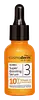
This brightening serum is formulated around 3-O-Ethyl Ascorbic Acid to brighten dull-looking skin and fade the look of dark spots.
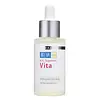
This brightening serum is formulated around Niacinamide and 3-O-Ethyl Ascorbic Acid to brighten dull-looking skin and fade the look of dark spots.


What's inside
What's inside
 Key Ingredients
Benefits
Concerns
Ingredients Side-by-side
Water
Skin Conditioning3-O-Ethyl Ascorbic Acid
Skin Conditioning





Dipropylene Glycol
HumectantBiosaccharide Gum-1
Humectant

Panthenol
Skin Conditioning
PEG-40 Hydrogenated Castor Oil
Emulsifying


Phenoxyethanol
Preservative
Hydroxyethylcellulose
Emulsion StabilisingChlorphenesin
Antimicrobial
Citrus Aurantium Dulcis Peel Oil
Masking
Citrus Paradisi Peel Oil
Masking




Citrus Aurantium Bergamia Fruit Oil
Masking
Citrus Medica Peel Oil
Disodium EDTA
Lactic Acid
Buffering



Water, 3-O-Ethyl Ascorbic Acid, Dipropylene Glycol, Biosaccharide Gum-1, Panthenol, PEG-40 Hydrogenated Castor Oil, Phenoxyethanol, Hydroxyethylcellulose, Chlorphenesin, Citrus Aurantium Dulcis Peel Oil, Citrus Paradisi Peel Oil, Citrus Aurantium Bergamia Fruit Oil, Citrus Medica Peel Oil, Disodium EDTA, Lactic Acid
Water
Skin ConditioningGlycerin
Humectant
Niacinamide
Smoothing

Propanediol
Solvent
Methyl Gluceth-20
Humectant
Butylene Glycol
Humectant
1,2-Hexanediol
Skin Conditioning
3-O-Ethyl Ascorbic Acid
Skin Conditioning
Polyacrylate Crosspolymer-6
Emulsion StabilisingHydroxyacetophenone
Antioxidant
Hydroxypropyltrimonium Hyaluronate
Hydrolyzed Viola Tricolor Extract
Skin ProtectingHydrolyzed Malt Extract
Skin ConditioningHydrolyzed Gardenia Florida Extract
Antioxidant
Ethylhexylglycerin
Skin ConditioningDisodium EDTA
Cellulose Gum
Emulsion StabilisingHydrolyzed Hyaluronic Acid
Humectant
Sodium Hyaluronate
Humectant
Hyaluronic Acid
Humectant
Citrus Junos Seed Extract
Antioxidant
Portulaca Oleracea Extract
Skin Conditioning
Tocopherol
Antioxidant
Thiamine Hcl
MaskingRiboflavin
Cosmetic ColorantRetinyl Palmitate
Skin Conditioning
Pantothenic Acid
Skin ConditioningNiacin
SmoothingFolic Acid
Skin ConditioningCarnitine Hcl
HumectantBiotin
AntiseborrhoeicAscorbic Acid
Antioxidant
Saccharide Isomerate
Humectant
Pancratium Maritimum Extract
BleachingAlaria Esculenta Extract
Skin Protecting
Kaempferia Galanga Root Extract
Skin ConditioningWater, Glycerin, Niacinamide, Propanediol, Methyl Gluceth-20, Butylene Glycol, 1,2-Hexanediol, 3-O-Ethyl Ascorbic Acid, Polyacrylate Crosspolymer-6, Hydroxyacetophenone, Hydroxypropyltrimonium Hyaluronate, Hydrolyzed Viola Tricolor Extract, Hydrolyzed Malt Extract, Hydrolyzed Gardenia Florida Extract, Ethylhexylglycerin, Disodium EDTA, Cellulose Gum, Hydrolyzed Hyaluronic Acid, Sodium Hyaluronate, Hyaluronic Acid, Citrus Junos Seed Extract, Portulaca Oleracea Extract, Tocopherol, Thiamine Hcl, Riboflavin, Retinyl Palmitate, Pantothenic Acid, Niacin, Folic Acid, Carnitine Hcl, Biotin, Ascorbic Acid, Saccharide Isomerate, Pancratium Maritimum Extract, Alaria Esculenta Extract, Kaempferia Galanga Root Extract
Reviews
Ingredients Explained
These ingredients are found in both products.
Ingredients higher up in an ingredient list are typically present in a larger amount.
3-O-Ethyl Ascorbic Acid is one of the most popular "stable" vitamin C derivatives in skincare.
Plain ascorbic acid is fantastic but notoriously fragile; it browns, oxidizes, and loses potency fast. So attaching an ethyl group to the third carbon of the molecule gives it some cool perks:
In a formula, it does the 3 classic vitamin C jobs: it acts as an antioxidant, helps brighten skin tone by inhibiting tyrosinase, and supports collagen.
The evidence is reasonably solid for a cosmetic ingredient; Liao and colleagues (2018) showed it's significantly more stable than ascorbic acid while still being effective.
A 2021 study by Zerbinati and colleagues tested a serum with 30% 3-O-ethyl-l-ascorbic acid and 1% lactic acid significantly increased collagen production, reduced UVB-induced DNA damage, and decreased melanin on a reconstructed pigmented skin model.
Typical real world usage sits around 0.5-5% (and 1-2% is common for daily serums).
Amounts up to 30% have been shown to be non-irritating on human skin samples, but two isolated cases reported allergic contact dermatitis so a patch test is sensible if you have reactive skin.
Learn more about 3-O-Ethyl Ascorbic AcidDisodium EDTA is a chelating agent. It grabs onto and deactivates metal ions that sneak into your products from water, packaging, or air.
This ingredient mainly works behind the scenes and helps with:
On top of that, this ingredient can counteract the effects of hard water by binding to the minerals in it.
One thing worth knowing is that Disodium EDTA has been shown to be a mild penetration enhancer. It can help other ingredients absorb into skin more effectively which can be a double-edged sword (great for actives, but can also make the active too strong if you have sensitive skin).
Clinical patch testing showed no significant skin irritation at typical use concentrations and minimal dermal absorption.
You'll most likely see this ingredient near the end of an ingredient list. It's typically found in concentrations less than 1%.
Learn more about Disodium EDTAWater. It's the most common cosmetic ingredient of all. You'll usually see it at the top of ingredient lists, meaning that it makes up the largest part of the product.
So why is it so popular? Water most often acts as a solvent - this means that it helps dissolve other ingredients into the formulation.
You'll also recognize water as that liquid we all need to stay alive. If you see this, drink a glass of water. Remember to stay hydrated!
Learn more about Water

