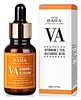
This brightening serum is formulated around Ascorbic Acid and Arbutin to brighten dull-looking skin and fade the look of dark spots.
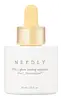
This brightening ampoule is formulated around Niacinamide and Sodium Ascorbyl Phosphate to brighten dull-looking skin and refine skin texture.

What's inside
What's inside
 Key Ingredients
Benefits
Concerns
No concerns
Ingredients Side-by-side
Propanediol
Solvent

Aloe Barbadensis Leaf Extract
Emollient

Ascorbic Acid
Antioxidant






Arbutin
Antioxidant
1,2-Hexanediol
Skin Conditioning
Arginine
Masking
Sodium Hyaluronate
Humectant
Panthenol
Skin Conditioning
Sodium Hydroxide
BufferingCamellia Sinensis Leaf Extract
Antimicrobial

Momordica Charantia Fruit Extract
Skin ConditioningSambucus Nigra Flower Extract
RefreshingLeontopodium Alpinum Extract
Skin ConditioningDisodium EDTA
ChelatingWater
Skin ConditioningGlycerin
Humectant
Butylene Glycol
Humectant
Niacinamide
Smoothing

1,2-Hexanediol
Skin Conditioning
Propanediol
Solvent
Hydroxyacetophenone
Antioxidant
Acrylates/C10-30 Alkyl Acrylate Crosspolymer
Emulsion StabilisingGlycereth-25 PCA Isostearate
Emulsifying

Tromethamine
BufferingCoptis Japonica Root Extract
Skin ConditioningDiphenyl Dimethicone
Emollient
Ethylhexylglycerin
Skin ConditioningTriethylhexanoin
MaskingZea Mays Kernel Extract
Disodium EDTA
ChelatingHyaluronic Acid
Humectant
Hydrolyzed Hyaluronic Acid
Humectant
Sodium Hyaluronate
Humectant
Hydrogenated Lecithin
Emulsifying
Polyglyceryl-10 Oleate
Skin Conditioning
Citrus Paradisi Fruit Extract
Skin ConditioningCitrus Junos Fruit Extract
Skin ConditioningTheobroma Cacao Seed Extract
Antioxidant
Hydrolyzed Gardenia Florida Extract
Antioxidant
Hydrolyzed Malt Extract
Skin ConditioningFructan
Skin ConditioningHydrolyzed Viola Tricolor Extract
Skin ProtectingDextrin
AbsorbentFragaria Vesca Leaf Extract
AstringentGlucose
Humectant
Terminalia Ferdinandiana Fruit Extract
Antioxidant
Sodium Ascorbyl Phosphate
Antioxidant
Water, Glycerin, Butylene Glycol, Niacinamide, 1,2-Hexanediol, Propanediol, Hydroxyacetophenone, Acrylates/C10-30 Alkyl Acrylate Crosspolymer, Glycereth-25 PCA Isostearate, Tromethamine, Coptis Japonica Root Extract, Diphenyl Dimethicone, Ethylhexylglycerin, Triethylhexanoin, Zea Mays Kernel Extract, Disodium EDTA, Hyaluronic Acid, Hydrolyzed Hyaluronic Acid, Sodium Hyaluronate, Hydrogenated Lecithin, Polyglyceryl-10 Oleate, Citrus Paradisi Fruit Extract, Citrus Junos Fruit Extract, Theobroma Cacao Seed Extract, Hydrolyzed Gardenia Florida Extract, Hydrolyzed Malt Extract, Fructan, Hydrolyzed Viola Tricolor Extract, Dextrin, Fragaria Vesca Leaf Extract, Glucose, Terminalia Ferdinandiana Fruit Extract, Sodium Ascorbyl Phosphate
Reviews
Ingredients Explained
These ingredients are found in both products.
Ingredients higher up in an ingredient list are typically present in a larger amount.
1,2-Hexanediol is a synthetic liquid and another multi-functional powerhouse.
It is a:
- Humectant, drawing moisture into the skin
- Emollient, helping to soften skin
- Solvent, dispersing and stabilizing formulas
- Preservative booster, enhancing the antimicrobial activity of other preservatives
Disodium EDTA is a chelating agent. It grabs onto and deactivates metal ions that sneak into your products from water, packaging, or air.
This ingredient mainly works behind the scenes and helps with:
On top of that, this ingredient can counteract the effects of hard water by binding to the minerals in it.
One thing worth knowing is that Disodium EDTA has been shown to be a mild penetration enhancer. It can help other ingredients absorb into skin more effectively which can be a double-edged sword (great for actives, but can also make the active too strong if you have sensitive skin).
Clinical patch testing showed no significant skin irritation at typical use concentrations and minimal dermal absorption.
You'll most likely see this ingredient near the end of an ingredient list. It's typically found in concentrations less than 1%.
Learn more about Disodium EDTAPropanediol is an all-star ingredient. It softens, hydrates, and smooths the skin.
It’s often used to:
Propanediol is not likely to cause sensitivity and considered safe to use. It is derived from corn or petroleum with a clear color and no scent.
Learn more about PropanediolSodium Hyaluronate is the salt form of hyaluronic acid. It is a long sugar chain that is naturally found in your skin, joints, and connective tissue that maintains hydration and elasticity.
In skincare, it works as a humectant. It pulls water from the environment and deeper layers of skin and binds it to the surface.
Interestingly, the size of the molecule affects its behavior:
Some clinical evidence links low molecular weight versions to improved wrinkle depth, elasticity, anti-inflammatory effects, and barrier repair.
Many serums use a blend of both weights so you can get surface hydration plus longer-lasting and deeper effects.
You'll typically see concentrations between 0.1-2% for this ingredient.
Learn more about Sodium Hyaluronate

