
What's inside
What's inside
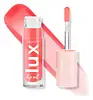 Key Ingredients
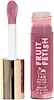
Benefits
Concerns
Ingredients Side-by-side
Hydrogenated Polyisobutene
EmollientDiisostearyl Malate
EmollientEthylene/Propylene/Styrene Copolymer
Simmondsia Chinensis Seed Oil
Emollient





Butylene/Ethylene/Styrene Copolymer
Aroma


Phenoxyethanol
Preservative
Caprylyl Glycol
Emollient
Glycine Soja Oil
Emollient




Caprylic/Capric Triglyceride
Masking
Tocopherol
Antioxidant




Ethylhexylglycerin
Skin ConditioningHexylene Glycol
EmulsifyingCalendula Officinalis Flower Extract
Masking
Pentaerythrityl Tetra-Di-T-Butyl Hydroxyhydrocinnamate
Antioxidant
Saccharin
MaskingChamomilla Recutita Flower Extract
Masking
CI 15850
Cosmetic ColorantCI 45410
Cosmetic ColorantHydrogenated Polyisobutene, Diisostearyl Malate, Ethylene/Propylene/Styrene Copolymer, Simmondsia Chinensis Seed Oil, Butylene/Ethylene/Styrene Copolymer, Aroma, Phenoxyethanol, Caprylyl Glycol, Glycine Soja Oil, Caprylic/Capric Triglyceride, Tocopherol, Ethylhexylglycerin, Hexylene Glycol, Calendula Officinalis Flower Extract, Pentaerythrityl Tetra-Di-T-Butyl Hydroxyhydrocinnamate, Saccharin, Chamomilla Recutita Flower Extract, CI 15850, CI 45410
Hydrogenated Polyisobutene
EmollientHelianthus Annuus Hybrid Oil
Emollient
Polybutene
Ethylene/Propylene/Styrene Copolymer
Corylus Avellana Seed Oil
Emollient
Caprylic/Capric Triglyceride
Masking
Butylene/Ethylene/Styrene Copolymer
Bis-Diglyceryl Polyacyladipate-2
Emollient
Sodium Saccharin
MaskingDiethylhexyl Syringylidenemalonate
Skin Protecting
Glycine Soja Oil
Emollient
Tocopheryl Acetate
Antioxidant
Jasminum Officinale Flower Extract
Masking

Paeonia Officinalis Flower Extract
TonicPrunus Serrulata Flower Extract
Skin ConditioningCitrus Aurantium Amara Flower Extract
RefreshingLavandula Angustifolia Flower Extract
Cleansing
Rosa Damascena Flower Oil
Masking
Tocopherol
Antioxidant
Helianthus Annuus Seed Oil
Emollient
Sambucus Nigra Flower Extract
RefreshingSimmondsia Chinensis Seed Oil
Emollient
Brassica Alba Seed Extract
Skin ConditioningCucurbita Pepo Seed Extract
Skin ConditioningCamellia Sinensis Leaf Extract
Antimicrobial

Vanilla Planifolia Seed Powder
Abrasive
Rubus Villosus Leaf Extract
Skin ConditioningZingiber Officinale Root Extract
Masking
Cucumis Melo Fruit Extract
Skin ConditioningLitchi Chinensis Fruit Extract
Skin ConditioningAroma
Limonene
Perfuming
Linalool
Perfuming
Benzyl Benzoate
Antimicrobial
Mica
Cosmetic ColorantPentaerythrityl Tetra-Di-T-Butyl Hydroxyhydrocinnamate
Antioxidant
Pentaerythrityl Tetraisostearate
Emollient
Ethylhexylglycerin
Skin ConditioningPhenoxyethanol
Preservative
CI 77120
Cosmetic ColorantRosin
CI 77891
Cosmetic ColorantCI 15850
Cosmetic ColorantCI 77491
Cosmetic ColorantCI 77492
Cosmetic ColorantCI 77499
Cosmetic ColorantHydrogenated Polyisobutene, Helianthus Annuus Hybrid Oil, Polybutene, Ethylene/Propylene/Styrene Copolymer, Corylus Avellana Seed Oil, Caprylic/Capric Triglyceride, Butylene/Ethylene/Styrene Copolymer, Bis-Diglyceryl Polyacyladipate-2, Sodium Saccharin, Diethylhexyl Syringylidenemalonate, Glycine Soja Oil, Tocopheryl Acetate, Jasminum Officinale Flower Extract, Paeonia Officinalis Flower Extract, Prunus Serrulata Flower Extract, Citrus Aurantium Amara Flower Extract, Lavandula Angustifolia Flower Extract, Rosa Damascena Flower Oil, Tocopherol, Helianthus Annuus Seed Oil, Sambucus Nigra Flower Extract, Simmondsia Chinensis Seed Oil, Brassica Alba Seed Extract, Cucurbita Pepo Seed Extract, Camellia Sinensis Leaf Extract, Vanilla Planifolia Seed Powder, Rubus Villosus Leaf Extract, Zingiber Officinale Root Extract, Cucumis Melo Fruit Extract, Litchi Chinensis Fruit Extract, Aroma, Limonene, Linalool, Benzyl Benzoate, Mica, Pentaerythrityl Tetra-Di-T-Butyl Hydroxyhydrocinnamate, Pentaerythrityl Tetraisostearate, Ethylhexylglycerin, Phenoxyethanol, CI 77120, Rosin, CI 77891, CI 15850, CI 77491, CI 77492, CI 77499
Ingredients Explained
These ingredients are found in both products.
Ingredients higher up in an ingredient list are typically present in a larger amount.
Aroma refers to an ingredient, or mixture of ingredients, that impart or mask a flavor.
The name is slightly confusing. This is because INCI associates aroma with flavor instead of smell.
Here is the official definition from the The International Cosmetic Ingredient Dictionary and Handbook:
“Aroma is a term for ingredient labeling used to identify that a product contains a material or combination of materials normally added to a cosmetic to produce or to mask a particular flavor.”
INCI shows the only purpose of aroma to be "flavouring".
However, due to regulation differences, some companies may use aroma in place of parfum.
In Canada, this ingredient only has to be listed in concentrations above 1%.
Learn more about AromaThis ingredient is a high-molecular weight synthetic polymer. It is used to modify the viscosity of a formula, improve slip, and create a more "cushiony" texture.
Due to its large molecular size, this ingredient is not absorbed into the skin.
Caprylic/Capric Triglyceride (aka MCT Oil) is a lightweight emollient, solvent, and texture enhancer. It is considered a skin-softener by helping to prevent moisture loss.
Though it behaves like an oil, it is not technically one due to its chemical composition. One perk of this ingredient is that it is very stable, resistant to oxidation, and unlikely to go rancid.
In practice, that translates to a long shelf life and a consistently elegant skin feel.
While there is an assumption Caprylic Triglyceride can clog pores due to it being derived from coconut oil, there is no research supporting this. Just patch test if you have concerns.
Fractionated coconut oil and MCT Oil are both listed as Caprylic/Capric Triglyceride according to INCI. This is because INCI names are based on the ingredient’s final chemical composition and not its marketing name or source.
This ingredient is treated as the gold standard fungal acne safe oil. Even though it is coconut derived, the problematic lauric acid is stripped out.
This leaves just caprylic (C8) and capric (C10) acid. These chain lengths actually trend antifungal; a 2020 study found caprylic acid was enough to disrupt Malassezia furfur cell membrane, with a caprylic acid derivative damaging membrane structures at concentrations as low as 0.2%.
Learn more about Caprylic/Capric TriglycerideCi 15850 is the pigment color red. It is an azo dye and created synthetically.
Azo dyes need to be thoroughly purified before use. This allows them to be more stable and longer-lasting.
This ingredient is common in foundations, lipsticks, and blushes. This color is described as brown/orangey red.
It has many secondary names such as Red 6 and Red 7. According to a manufacturer, Red 6 usually contains aluminum.
Learn more about CI 15850This is a synthetic polymer used to thicken formulas, improve texture, and enhance spreadability.
Due to its large molecule size, this ingredient does not penetrate the skin and is considered well-tolerated.
Ethylhexylglycerin is created from glycerin. It is a multitasker ingredient that:
The CIR Expert Panel found minimal skin absorption or sensitization of any kind in a safety assessment. Though this ingredient is considered well-tolerated, a small number of cases of allergic dermatitis have been published since 2002. Just be sure to patch test if you are unsure.
Industry-reported use ranges from 8% in rinse-off products and 2% in leave-on formulations.
Learn more about EthylhexylglycerinGlycine Soja Oil is a plant-derived oil from soybean seeds. Like other oils, it is rich in essential fatty acids (mostly linoleic and oleic) that support skin hydration and barrier function.
The fatty acids are able to integrate into the lipid matrix of the stratum corneum to help soften skin and reduce water loss.
On top of that, soybean oil is rich in vitamins like vitamin E, a potent antioxidant.
Research on soybean's active components also point to anti-inflammatory, collagen-stimulating, antioxidant activity, and protection against UV-induced oxidative damage.
Most of this research applies to the broader soybean plant and not just the oil fraction alone.
This ingredient does carry a comedogenic rating of 3 from the old rabbit-ear assay. Just remember testing finished products in humans showed that formulas built with "comedogenic" ingredients are not necessarily comedogenic themselves. It's worth patch testing if you're breakout prone, and always listen to your skin.
Because this ingredient is a saturated triglyceride, it may not be fungal acne safe. This is because Malassezia breaks down sebum triglycerides into fatty acids it can consume, making this ingredient a possible source for the yeast.
Learn more about Glycine Soja OilHydrogenated Polyisobutene is a synthetic polymer. Polymers are compounds with high molecular weight. Hydrogenated Polyisobutene is an emollient and texture enhancer.
In one study, Hydrogenated Polyisobutene showed better skin hydration levels than Caprylic/Capric Triglyceride. As an emollient, it helps keep your skin soft and hydrated by trapping moisture in.
Hydrogenated Polyisobutene is often used as a mineral oil replacement.
Learn more about Hydrogenated PolyisobutenePentaerythrityl Tetra-Di-T-Butyl Hydroxyhydrocinnamate (long name, huh?) is a synthetic antioxidant.
It is used to help stabilize other antioxidants or prevent the color from changing in a product.
As an antioxidant, it helps fight free-radical molecules. Free-radical molecules are capable of damaging our cells and other genetic material. Thus, antioxidants may reduce the signs of aging.
This ingredient is oil-soluble.
Learn more about Pentaerythrityl Tetra-Di-T-Butyl HydroxyhydrocinnamatePhenoxyethanol is one of the most widely used preservatives in skincare (and for good reason!).
It has a large spectrum of antimicrobial activity and especially effective bacteria, yeast, and mold while only having a weak effect on your skin's natural microbiome.
On a cellular level, it disrupts the cell membranes of microbes by poking holes that make the cell leak. This shuts down the chemical reactions the microbe needs to make energy so it can no longer survive.
Another perk of this ingredient is that it stays functional across a wide pH range (3-10).
You'll often see it paired with boosters like Ethylhexylglycerin; one study showed that a 1:9 ratio of Ethylhexylglycerin to Phenoxyethanol damages bacterial membranes as effectively as doubling the Phenoxyethanol concentration on its own.
Typical use concentrations range from 0.3-1% depending on the formula, and this ingredient is capped at 1% int the EU.
Safety-wise, the fear mongering does not hold up to the evidence. The EU's Scientific Committee on Consumer Safety and FDA consider it safe as a preservative at up to 1%, including for children of all ages.
Adverse systemic effects only showed up in animal studies at exposures roughly 200x higher than what people get from cosmetics. And despite its very widespread use, this ingredient is a rare sensitizer and allergic reactions are uncommon.
Learn more about PhenoxyethanolJojoba oil is one of the most well-studied plant-derived ingredients in cosmetics. It is an emollient with a special structure.
Because it is made up of 97-98% wax esters, it closely mirrors the linear monoesters found in human sebum. This makes it skin compatible, non-greasy, and lightweight.
Unlike other plant oils, jojoba wax doesn't easily penetrate skin. It mostly works in the uppermost layers as an emollient. This just means it forms a light barrier on the skin to help retain moisture.
Formulations with jojoba esters up to 90% reduced transepidermal water loss (TEWL) and increased barrier recovery by 81% (outperforming bisabolol at 47%).
Besides barrier support, the science also suggests jojoba to have anti-inflammatory effects and potential applications for skin infections, aging, and wound healing.
Fun fact: Indigenous cultures have used jojoba as a moisturizer and to help treat burns for centuries.
Fungal acne: The Malassezia yeast is known to metabolize fatty acids in the C11-24 range and jojoba's dominant fatty acid components fall into this range. This ingredient may not be fungal acne safe.
Learn more about Simmondsia Chinensis Seed OilTocopherol is a fat-soluble antioxidant known as Vitamin E.
You'll find this ingredient in the vast majority of skincare (for good reason). It works to neutralize free radicals, or unstable molecules generated by UV exposure, pollution, and other environmental stressors, before they can cause oxidative damage to your skin cells.
Topically applied tocopherol has been shown to protect against UV damage by ramping up the skin's own natural defense enzymes.
It also acts as a skin conditioning agent; some studies show that regular topical use can improve the skin's water-binding capacity over 2-4 weeks.
This ingredient is especially loved for being a team player. When combined with Vitamin C, the photoprotective effect of both ingredients roughly doubles and the combo also helps reduce UV-induced DNA damage.
This ingredient has some brightening potential but it's more of a prevention ingredient than spot-fader. Cell studies show it can slow down melanin production but it's worth noting that it's not the most powerful brightener out there.
In formulations, it also serves as a stabilizer that helps protect other oxidation-prone ingredients from degrading.
Concentrations usually range from 0.1-1% in most leave-on products.
Learn more about Tocopherol

