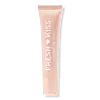
This barrier-repair lip moisturizer is formulated around Caprylic/Capric Triglyceride and Sodium Hyaluronate to strengthen the lip barrier and hydrate lips.
This barrier-repair lip moisturizer is formulated around Tocopherol to strengthen the lip barrier and hydrate lips.

What's inside
What's inside
 Key Ingredients
Benefits
Concerns
Ingredients Side-by-side
Bis-Behenyl/Isostearyl/Phytosteryl Dimer Dilinoleyl Dimer Dilinoleate
EmollientDiisostearyl Malate
EmollientPolyisobutene
Hydrogenated Polyisobutene
EmollientOctyldodecanol
Emollient
Caprylic/Capric Triglyceride
Masking


Polyglyceryl-2 Triisostearate
Emulsifying

Paraffin
Skin Conditioning
Silica Dimethyl Silylate
EmollientAroma


Microcrystalline Wax
Emulsion StabilisingStearalkonium Hectorite
Gel FormingAspartame
Propylene Carbonate
SolventTocopheryl Acetate
Antioxidant


Isohexadecane
EmollientPentaerythrityl Tetra-Di-T-Butyl Hydroxyhydrocinnamate
Antioxidant
Tocopherol
Antioxidant


Ethylene/Propylene/Styrene Copolymer
Butylene/Ethylene/Styrene Copolymer
Phenoxyethanol
Preservative
Sodium Hyaluronate
Humectant
Xanthan Gum
EmulsifyingTripeptide-1
Skin Conditioning
Bis-Behenyl/Isostearyl/Phytosteryl Dimer Dilinoleyl Dimer Dilinoleate, Diisostearyl Malate, Polyisobutene, Hydrogenated Polyisobutene, Octyldodecanol, Caprylic/Capric Triglyceride, Polyglyceryl-2 Triisostearate, Paraffin, Silica Dimethyl Silylate, Aroma, Microcrystalline Wax, Stearalkonium Hectorite, Aspartame, Propylene Carbonate, Tocopheryl Acetate, Isohexadecane, Pentaerythrityl Tetra-Di-T-Butyl Hydroxyhydrocinnamate, Tocopherol, Ethylene/Propylene/Styrene Copolymer, Butylene/Ethylene/Styrene Copolymer, Phenoxyethanol, Sodium Hyaluronate, Xanthan Gum, Tripeptide-1
Hydrogenated Polyisobutene
EmollientDiisostearyl Malate
EmollientPolybutene
Octyldodecanol
Emollient
Bis-Behenyl/Isostearyl/Phytosteryl Dimer Dilinoleyl Dimer Dilinoleate
EmollientTriisodecyl Trimellitate
EmollientSynthetic Wax
Abrasive

Microcrystalline Wax
Emulsion StabilisingHydrogenated Styrene/Isoprene Copolymer
Dibutyl Lauroyl Glutamide
Skin ConditioningDibutyl Ethylhexanoyl Glutamide
Skin ConditioningCopernicia Cerifera Wax
Hydroxymethoxyphenyl Propylmethylmethoxybenzofuran
Skin ConditioningEthyl Vanillin
MaskingCalcium Sodium Borosilicate
Pentaerythrityl Tetra-Di-T-Butyl Hydroxyhydrocinnamate
Antioxidant
Silica
Abrasive

Calcium Aluminum Borosilicate
Tocopherol
Antioxidant
Tin Oxide
Abrasive
Dicalcium Phosphate
Abrasive
CI 77891
Cosmetic ColorantCI 45410
Cosmetic ColorantCI 42090
Cosmetic ColorantHydrogenated Polyisobutene, Diisostearyl Malate, Polybutene, Octyldodecanol, Bis-Behenyl/Isostearyl/Phytosteryl Dimer Dilinoleyl Dimer Dilinoleate, Triisodecyl Trimellitate, Synthetic Wax, Microcrystalline Wax, Hydrogenated Styrene/Isoprene Copolymer, Dibutyl Lauroyl Glutamide, Dibutyl Ethylhexanoyl Glutamide, Copernicia Cerifera Wax, Hydroxymethoxyphenyl Propylmethylmethoxybenzofuran, Ethyl Vanillin, Calcium Sodium Borosilicate, Pentaerythrityl Tetra-Di-T-Butyl Hydroxyhydrocinnamate, Silica, Calcium Aluminum Borosilicate, Tocopherol, Tin Oxide, Dicalcium Phosphate, CI 77891, CI 45410, CI 42090
Reviews
Ingredients Explained
These ingredients are found in both products.
Ingredients higher up in an ingredient list are typically present in a larger amount.
This ingredient is an emollient and skin conditioning agent.
Diisostearyl Malate is an emollient and most often used in lip products. It comes from isostearyl alcohol, a fatty acid, and malic acid, an AHA.
As an emollient, Diisostearyl Malate helps create a thin film on your skin to trap moisture in. This helps keep your skin soft and smooth.
Hydrogenated Polyisobutene is a synthetic polymer. Polymers are compounds with high molecular weight. Hydrogenated Polyisobutene is an emollient and texture enhancer.
In one study, Hydrogenated Polyisobutene showed better skin hydration levels than Caprylic/Capric Triglyceride. As an emollient, it helps keep your skin soft and hydrated by trapping moisture in.
Hydrogenated Polyisobutene is often used as a mineral oil replacement.
Learn more about Hydrogenated PolyisobuteneMicrocrystalline Wax is derived from petroleum through a de-oiling process, then highly refined and purified before use in cosmetics.
In skincare formulations, it is used to improve texture and create a smooth, even consistency. It also helps stabilize products by preventing ingredients from separating.
Octyldodecanol is a fatty alcohol sourced from plant oils like coconut or palm (or made synthetically).
It is:
You'll likely see this in many BHA products because this is the go-to solvent for salicylic acid.
This ingredient is typically used at levels between 2-20%.
Regarding fungal acne:
In 2019, this ingredient was tested against multiple Malassezia species (the yeast that causes fungal acne) and showed no growth.
Pentaerythrityl Tetra-Di-T-Butyl Hydroxyhydrocinnamate (long name, huh?) is a synthetic antioxidant.
It is used to help stabilize other antioxidants or prevent the color from changing in a product.
As an antioxidant, it helps fight free-radical molecules. Free-radical molecules are capable of damaging our cells and other genetic material. Thus, antioxidants may reduce the signs of aging.
This ingredient is oil-soluble.
Learn more about Pentaerythrityl Tetra-Di-T-Butyl HydroxyhydrocinnamateTocopherol is a fat-soluble antioxidant known as Vitamin E.
You'll find this ingredient in the vast majority of skincare (for good reason). It works to neutralize free radicals, or unstable molecules generated by UV exposure, pollution, and other environmental stressors, before they can cause oxidative damage to your skin cells.
Topically applied tocopherol has been shown to protect against UV damage by ramping up the skin's own natural defense enzymes.
It also acts as a skin conditioning agent; some studies show that regular topical use can improve the skin's water-binding capacity over 2-4 weeks.
This ingredient is especially loved for being a team player. When combined with Vitamin C, the photoprotective effect of both ingredients roughly doubles and the combo also helps reduce UV-induced DNA damage.
This ingredient has some brightening potential but it's more of a prevention ingredient than spot-fader. Cell studies show it can slow down melanin production but it's worth noting that it's not the most powerful brightener out there.
In formulations, it also serves as a stabilizer that helps protect other oxidation-prone ingredients from degrading.
Concentrations usually range from 0.1-1% in most leave-on products.
Learn more about Tocopherol

