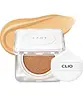
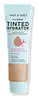
CLIO Kill Cover Founwear Cushion The Original Versus Wet n Wild Barefocus Tinted Hydrator Tinted Skin Veil


What's inside
What's inside
 Key Ingredients
Benefits
Concerns
No concerns
Ingredients Side-by-side
Water
Skin ConditioningCyclopentasiloxane
Emollient
CI 77891
Cosmetic ColorantCetyl Ethylhexanoate
EmollientDipropylene Glycol
HumectantCI 77492
Cosmetic ColorantLauryl PEG-9 Polydimethylsiloxyethyl Dimethicone
Skin Conditioning
Pentaerythrityl Tetraethylhexanoate
Emollient
Methyl Trimethicone
Skin Conditioning
Dimethicone
Emollient
Isododecane
EmollientTrimethylsiloxysilicate
Emollient
Niacinamide
Smoothing










Mica
Cosmetic Colorant1,2-Hexanediol
Skin Conditioning
Vp/Hexadecene Copolymer
Dibutyl Adipate
EmollientGlycerin
Humectant
PEG-10 Dimethicone
Skin Conditioning
Phenyl Trimethicone
Skin Conditioning
Polyhydroxystearic Acid
Emulsifying

Disteardimonium Hectorite
StabilisingOctyldodecanol
Emollient
Dimethicone/Vinyl Dimethicone Crosspolymer
Skin Conditioning
Magnesium Sulfate
Vinyl Dimethicone/Methicone Silsesquioxane Crosspolymer
Acrylates/Stearyl Acrylate/Dimethicone Methacrylate Copolymer
Triethoxycaprylylsilane
Aluminum Hydroxide
EmollientAcrylates/Dimethicone Copolymer
Skin Conditioning
Neopentyl Glycol Diethylhexanoate
Emollient
Polyglyceryl-4 Isostearate
Emulsifying
Aluminum Dimyristate
Emulsion StabilisingIsopropyl Titanium Triisostearate
Emollient
Adenosine
Skin Conditioning
Trisodium Ethylenediamine Disuccinate
ChelatingTocopherol
Antioxidant

Parfum
Masking



CI 77491
Cosmetic ColorantCI 77499
Cosmetic ColorantWater, Cyclopentasiloxane, CI 77891, Cetyl Ethylhexanoate, Dipropylene Glycol, CI 77492, Lauryl PEG-9 Polydimethylsiloxyethyl Dimethicone, Pentaerythrityl Tetraethylhexanoate, Methyl Trimethicone, Dimethicone, Isododecane, Trimethylsiloxysilicate, Niacinamide, Mica, 1,2-Hexanediol, Vp/Hexadecene Copolymer, Dibutyl Adipate, Glycerin, PEG-10 Dimethicone, Phenyl Trimethicone, Polyhydroxystearic Acid, Disteardimonium Hectorite, Octyldodecanol, Dimethicone/Vinyl Dimethicone Crosspolymer, Magnesium Sulfate, Vinyl Dimethicone/Methicone Silsesquioxane Crosspolymer, Acrylates/Stearyl Acrylate/Dimethicone Methacrylate Copolymer, Triethoxycaprylylsilane, Aluminum Hydroxide, Acrylates/Dimethicone Copolymer, Neopentyl Glycol Diethylhexanoate, Polyglyceryl-4 Isostearate, Aluminum Dimyristate, Isopropyl Titanium Triisostearate, Adenosine, Trisodium Ethylenediamine Disuccinate, Tocopherol, Parfum, CI 77491, CI 77499
Water
Skin ConditioningCyclopentasiloxane
Emollient
Butylene Glycol
Humectant
Glycerin
Humectant
Disteardimonium Hectorite
StabilisingCetyl PEG/PPG-10/1 Dimethicone
Emulsifying
Lauryl PEG-10 Tris(Trimethylsiloxy)Silylethyl Dimethicone
Emulsifying
Phenoxyethanol
Preservative
Magnesium Sulfate
Triethoxycaprylylsilane
Ethylhexylglycerin
Skin ConditioningDimethicone/Vinyl Dimethicone Crosspolymer
Skin Conditioning
Squalane
Emollient
Sodium Hyaluronate
Humectant
Hydrolyzed Hyaluronic Acid
Humectant
Titanium Dioxide
Cosmetic Colorant

CI 77491
Cosmetic ColorantCI 77492
Cosmetic ColorantCI 77499
Cosmetic ColorantWater, Cyclopentasiloxane, Butylene Glycol, Glycerin, Disteardimonium Hectorite, Cetyl PEG/PPG-10/1 Dimethicone, Lauryl PEG-10 Tris(Trimethylsiloxy)Silylethyl Dimethicone, Phenoxyethanol, Magnesium Sulfate, Triethoxycaprylylsilane, Ethylhexylglycerin, Dimethicone/Vinyl Dimethicone Crosspolymer, Squalane, Sodium Hyaluronate, Hydrolyzed Hyaluronic Acid, Titanium Dioxide, CI 77491, CI 77492, CI 77499
Reviews
Ingredients Explained
These ingredients are found in both products.
Ingredients higher up in an ingredient list are typically present in a larger amount.
Ci 77491 is also hydrated iron III oxide. It's sole purpose is to give a red/pink hue to products.
Iron III oxides are classified as inorganic chemicals for coloring.
Synthetically created Ci 77491 is considered safer than those naturally found. This is because the synthetically created version may contain less impurities. Iron oxides are generally non-toxic and non-allergenic.
Learn more about CI 77491CI 77492 is also hydrated iron III oxide. It's sole purpose is to give a yellow hue to products.
Iron III oxides are classified as inorganic chemicals for coloring.
Synthetically created CI 77492 is considered safer than those naturally found. This is because the synthetically created version may contain less impurities. Iron oxides are generally non-toxic and non-allergenic.
Learn more about CI 77492Ci 77499 is also hydrated iron III oxide. It is created from mixing red and black iron oxides. This helps give shades of darkness to a product.
Iron III oxides are classified as inorganic chemicals for coloring.
Cyclopentasiloxane (D5) is a lightweight silicone that mostly acts as an emollient and solvent in cosmetics. Its the reason your products feel silky, fast-spreading, and non-greasy.
Since D5 is volatile, it does its thing and then evaporates off the skin quickly.
The safety profile of this ingredient is reassuring; the US CIR Expert Panel concluded D5 is safe as used in cosmetics and Health Canada concluded that D5 is not harmful to human health or the environment as currently used in cosmetics
There's a study that people mention about D5 in a rat study showing tumors. This study is related to long-term inhalation of high D5 levels.
Regulatory bodies have judged this study to be not applicable in topical skincare since skin absorption of D5 is very low and we're not really inhaling huge amounts of D5.
The only restriction for this ingredient is environmental. The European Chemicals Agency (ECHA) restricted D5 in wash-off cosmetics at or above 0.1% due to their persistence in water.
Learn more about CyclopentasiloxaneThis ingredient is a silicone elastomer that works as a texture enhancer, adds a silky slip, and also helps absorb excess oil.
Because it's a large macromolecule that's insoluble in water and chemically inert, it's not expected to penetrate or be absorbed into skin.
Human patch tests with a facial lotion containing 1% of this ingredient found no sensitization.
Learn more about Dimethicone/Vinyl Dimethicone CrosspolymerDisteardimonium Hectorite comes from the clay mineral named hectorite. It is used to add thickness to a product.
It can also help stabilize a product by helping to disperse other ingredients.
Hectorite is a rare, white clay mineral.
Learn more about Disteardimonium HectoriteGlycerin (or glycerol) is a compound naturally found in your skin. It's a powerhouse humectant that pulls water into the stratum corneum.
Topically, glycerin does several things at once:
Your skin makes glycerin on its own (mostly from sebaceous oil breakdown) and shuttles it to your outermost layer of skin, or your epidermis, via aquaporin-3.
Aquaporin-3 is a transporter that is essential for normal skin hydration, elasticity, and repair. Interestingly, mice lacking in AQP3 have dry and less elastic skin that can be fully corrected with glycerin.
This ingredient is non-irritating, plays well with almost every ingredient, and works across all skin types. Typical use is anywhere between 3-10% but can go up to 79% in some leave-on products.
Just know very high concentrations (>40%) can feel tacky in low humidity.
Glycerin is the name for this ingredient in American English. British English uses Glycerol/Glycerine.
Learn more about GlycerinMagnesium Sulfate is a salt. More specifically, it is an epsom salt, or the bath salt used to help relieve muscle aches.
Despite having ‘sulfate’ in the name, it isn’t a surfactant or cleansing agent like sodium lauryl sulfate. Unlike those sulfates, magnesium sulfate doesn’t have the same cleansing or foaming properties (it's simply a type of salt).
In cosmetics, Magnesium Sulfate is used to thicken a product or help dilute other solids. It is a non-reactive and non-irritating ingredient.
One study shows magnesium deficiency may lead to inflammation of the skin. Applying magnesium topically may help reduce inflammation.
You can find this ingredient in sea water or mineral deposits.
Learn more about Magnesium SulfateTriethoxycaprylylsilane is a silicon-based surface modifier that makes sunscreens feel silky and makeup stay put.
Its main job is to coat mineral particles like titanium dioxide, zinc oxide, and color pigments in a thin, oily layer so they spread smoothly, don't clump, and stick to skin better.
This ingredient is typically used at low levels (up to 2.5% in eyeshadow and 1% in lipstick).
Learn more about TriethoxycaprylylsilaneWater. It's the most common cosmetic ingredient of all. You'll usually see it at the top of ingredient lists, meaning that it makes up the largest part of the product.
So why is it so popular? Water most often acts as a solvent - this means that it helps dissolve other ingredients into the formulation.
You'll also recognize water as that liquid we all need to stay alive. If you see this, drink a glass of water. Remember to stay hydrated!
Learn more about Water

