

What's inside
What's inside
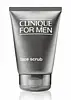 Key Ingredients
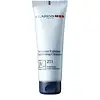
Benefits
Concerns
Ingredients Side-by-side
Water
Skin ConditioningGlyceryl Stearate
Emollient
Silica
Abrasive


Hexylene Glycol
EmulsifyingDisodium Cocoamphodiacetate
CleansingDisodium Oleamido Mipa-Sulfosuccinate
CleansingMagnesium Aluminum Silicate
AbsorbentSalicylic Acid
Masking






Stearamidoethyl Diethylamine
Butylene Glycol
Humectant
Menthol
Masking

Trisodium Sulfosuccinate
BufferingSodium Sulfate

Oleamide Mipa
Caramel
Cosmetic ColorantMethylisothiazolinone
Preservative
Phenoxyethanol
Preservative
Water, Glyceryl Stearate, Silica, Hexylene Glycol, Disodium Cocoamphodiacetate, Disodium Oleamido Mipa-Sulfosuccinate, Magnesium Aluminum Silicate, Salicylic Acid, Stearamidoethyl Diethylamine, Butylene Glycol, Menthol, Trisodium Sulfosuccinate, Sodium Sulfate, Oleamide Mipa, Caramel, Methylisothiazolinone, Phenoxyethanol
Water
Skin ConditioningGlycerin
Humectant

Stearic Acid
Cleansing
Myristic Acid
Cleansing
Potassium Hydroxide
BufferingDimethicone
Emollient
Lauric Acid
Cleansing
Sodium Lauroyl Sarcosinate
CleansingBambusa Arundinacea Stem Extract
Skin ConditioningTipa-Laureth Sulfate
Cleansing
Glycol Distearate
Emollient
Glyceryl Behenate
Emollient
Parfum
Masking
Propanediol
Solvent
Paraffin
Perfuming
Pumice
Abrasive
CI 77891
Cosmetic ColorantMannitol
Humectant
Synthetic Wax
Abrasive
Propylene Glycol
Humectant
Sodium Chloride
Masking
Sodium Laurate
CleansingCellulose
AbsorbentTetrasodium EDTA
Hydrogenated Microcrystalline Wax
Emulsion Stabilising
Hierochloe Odorata Extract
MaskingZinc Gluconate
Skin Conditioning
Saponaria Officinalis Root Extract
Skin ConditioningCI 77007
Cosmetic ColorantSodium Salicylate
Preservative
Phenoxyethanol
Preservative
Acrylates/Ammonium Methacrylate Copolymer
Triethyl Citrate
Masking
Hydroxypropyl Methylcellulose
Emulsion StabilisingPotassium Sorbate
Preservative
Water, Glycerin, Stearic Acid, Myristic Acid, Potassium Hydroxide, Dimethicone, Lauric Acid, Sodium Lauroyl Sarcosinate, Bambusa Arundinacea Stem Extract, Tipa-Laureth Sulfate, Glycol Distearate, Glyceryl Behenate, Parfum, Propanediol, Paraffin, Pumice, CI 77891, Mannitol, Synthetic Wax, Propylene Glycol, Sodium Chloride, Sodium Laurate, Cellulose, Tetrasodium EDTA, Hydrogenated Microcrystalline Wax, Hierochloe Odorata Extract, Zinc Gluconate, Saponaria Officinalis Root Extract, CI 77007, Sodium Salicylate, Phenoxyethanol, Acrylates/Ammonium Methacrylate Copolymer, Triethyl Citrate, Hydroxypropyl Methylcellulose, Potassium Sorbate
Alternatives
Ingredients Explained
These ingredients are found in both products.
Ingredients higher up in an ingredient list are typically present in a larger amount.
Phenoxyethanol is a preservative that has germicide, antimicrobial, and aromatic properties. Studies show that phenoxyethanol can prevent microbial growth. By itself, it has a scent that is similar to that of a rose.
It's often used in formulations along with Caprylyl Glycol to preserve the shelf life of products.
Water. It's the most common cosmetic ingredient of all. You'll usually see it at the top of ingredient lists, meaning that it makes up the largest part of the product.
So why is it so popular? Water most often acts as a solvent - this means that it helps dissolve other ingredients into the formulation.
You'll also recognize water as that liquid we all need to stay alive. If you see this, drink a glass of water. Stay hydrated!
Learn more about Water
