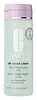
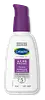
Clinique All About Clean Liquid Facial Soap Versus Cetaphil Pro Acne Prone Oil-Free Moisturising Lotion SPF 25

What's inside
What's inside
 Key Ingredients
Benefits
Concerns
Ingredients Side-by-side
Water
Skin ConditioningSodium Laureth Sulfate
Cleansing

Sodium Chloride
MaskingCocamidopropyl Hydroxysultaine
Cleansing
Lauramidopropyl Betaine
CleansingSodium Cocoyl Sarcosinate
Cleansing
Tea-Cocoyl Glutamate
Cleansing
Di-PPG-2 Myreth-10 Adipate
Emollient
Aloe Barbadensis Leaf Juice
Skin Conditioning

PEG-120 Methyl Glucose Dioleate
Emulsifying
Sucrose
Humectant
Sodium Hyaluronate
Humectant


Cetyl Triethylmonium Dimethicone PEG-8 Succinate

Butylene Glycol
Humectant
Hexylene Glycol
EmulsifyingPolyquaternium-7
Laureth-2
CleansingCaprylyl Glycol
Emollient
Sodium Sulfate
Tocopheryl Acetate
Antioxidant


EDTA
Disodium EDTA
Phenoxyethanol
Preservative
Water, Sodium Laureth Sulfate, Sodium Chloride, Cocamidopropyl Hydroxysultaine, Lauramidopropyl Betaine, Sodium Cocoyl Sarcosinate, Tea-Cocoyl Glutamate, Di-PPG-2 Myreth-10 Adipate, Aloe Barbadensis Leaf Juice, PEG-120 Methyl Glucose Dioleate, Sucrose, Sodium Hyaluronate, Cetyl Triethylmonium Dimethicone PEG-8 Succinate, Butylene Glycol, Hexylene Glycol, Polyquaternium-7, Laureth-2, Caprylyl Glycol, Sodium Sulfate, Tocopheryl Acetate, EDTA, Disodium EDTA, Phenoxyethanol
Water
Skin ConditioningOctocrylene
UV Absorber



Isopropyl Lauroyl Sarcosinate
Skin ConditioningEthylhexyl Salicylate
UV Absorber
Glycerin
Humectant
Dimethicone
Emollient
Butyl Methoxydibenzoylmethane
UV Absorber
Diisopropyl Sebacate
EmollientSucrose Tristearate
Emollient
Aluminum Starch Octenylsuccinate
Absorbent
Silica
Abrasive

Polymethyl Methacrylate
Polysorbate 61
Emulsifying
Pentylene Glycol
Skin Conditioning
Allantoin
Skin Conditioning
Caprylyl Glycol
Emollient
Carbomer
Emulsion StabilisingDimethiconol
Emollient
Disodium EDTA
Glycyrrhetinic Acid
Skin Conditioning
Hydroxypalmitoyl Sphinganine
Skin Conditioning
Panthenol
Skin Conditioning
Phenoxyethanol
Preservative
Potassium Sorbate
Preservative
Sodium Stearoyl Glutamate
CleansingTocopheryl Acetate
Antioxidant
Triethanolamine
BufferingXanthan Gum
EmulsifyingZinc Gluconate
Skin Conditioning

Water, Octocrylene, Isopropyl Lauroyl Sarcosinate, Ethylhexyl Salicylate, Glycerin, Dimethicone, Butyl Methoxydibenzoylmethane, Diisopropyl Sebacate, Sucrose Tristearate, Aluminum Starch Octenylsuccinate, Silica, Polymethyl Methacrylate, Polysorbate 61, Pentylene Glycol, Allantoin, Caprylyl Glycol, Carbomer, Dimethiconol, Disodium EDTA, Glycyrrhetinic Acid, Hydroxypalmitoyl Sphinganine, Panthenol, Phenoxyethanol, Potassium Sorbate, Sodium Stearoyl Glutamate, Tocopheryl Acetate, Triethanolamine, Xanthan Gum, Zinc Gluconate
Reviews
Ingredients Explained
These ingredients are found in both products.
Ingredients higher up in an ingredient list are typically present in a larger amount.
Caprylyl Glycol is a humectant, skin conditioner, emollient, and preservative booster derived from either caprylic acid or synthetically created.
Typical use levels vary from 0.3-1% as a preservative booster and go up to 2% to condition skin.
Because it is not a free-fatty acid, this ingredient is fungal acne safe (there's nothing for Malassezia to feed on).
Learn more about Caprylyl GlycolDisodium EDTA is a chelating agent. It grabs onto and deactivates metal ions that sneak into your products from water, packaging, or air.
This ingredient mainly works behind the scenes and helps with:
On top of that, this ingredient can counteract the effects of hard water by binding to the minerals in it.
One thing worth knowing is that Disodium EDTA has been shown to be a mild penetration enhancer. It can help other ingredients absorb into skin more effectively which can be a double-edged sword (great for actives, but can also make the active too strong if you have sensitive skin).
Clinical patch testing showed no significant skin irritation at typical use concentrations and minimal dermal absorption.
You'll most likely see this ingredient near the end of an ingredient list. It's typically found in concentrations less than 1%.
Learn more about Disodium EDTAPhenoxyethanol is a preservative that has germicide, antimicrobial, and aromatic properties. Studies show that phenoxyethanol can prevent microbial growth. By itself, it has a scent that is similar to that of a rose.
It's often used in formulations along with Caprylyl Glycol to preserve the shelf life of products.
Tocopheryl Acetate is AKA Vitamin E. It is an antioxidant and protects your skin from free radicals. Free radicals damage the skin by breaking down collagen.
One study found using Tocopheryl Acetate with Vitamin C decreased the number of sunburned cells.
Tocopheryl Acetate is commonly found in both skincare and dietary supplements.
Learn more about Tocopheryl AcetateWater. It's the most common cosmetic ingredient of all. You'll usually see it at the top of ingredient lists, meaning that it makes up the largest part of the product.
So why is it so popular? Water most often acts as a solvent - this means that it helps dissolve other ingredients into the formulation.
You'll also recognize water as that liquid we all need to stay alive. If you see this, drink a glass of water. Remember to stay hydrated!
Learn more about Water
