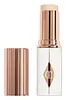
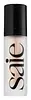
Charlotte Tilbury Unreal Skin Sheer Glow Tint Hydrating Foundation Stick Versus Saie Glowy Super Gel Lightweight Dewy Highlighter


What's inside
What's inside
 Key Ingredients
Benefits
Concerns
Ingredients Side-by-side
C15-19 Alkane
SolventOctyldodecanol
Emollient
Tridecyl Trimellitate
EmollientMica
Cosmetic ColorantPentaerythrityl Tetraisostearate
Emollient

Polyethylene
Abrasive

Bis-Diglyceryl Polyacyladipate-2
Emollient
Sucrose Tetrastearate Triacetate
Emollient
Raphanus Sativus Seed Extract
Skin ConditioningCera Microcristallina
Emulsion StabilisingSilica
Abrasive

Silica Silylate
Emollient
Helianthus Annuus Seed Oil
Emollient
Tocopheryl Acetate
Antioxidant


Disteardimonium Hectorite
StabilisingPentaerythrityl Tetra-Di-T-Butyl Hydroxyhydrocinnamate
Antioxidant
Triethoxycaprylylsilane

Ricinus Communis Seed Oil
Masking
Hydrolyzed Sodium Hyaluronate
Skin Conditioning

Lupinus Albus Seed Extract
Skin ConditioningDicalcium Phosphate
Abrasive
Sodium Hyaluronate
Humectant



Hydrogenated Castor Oil
Emollient
Rosmarinus Officinalis Leaf Extract
AntimicrobialTocopherol
Antioxidant
Tin Oxide
Abrasive
CI 77891
Cosmetic ColorantCI 77491
Cosmetic ColorantCI 77492
Cosmetic ColorantCI 42090
Cosmetic ColorantC15-19 Alkane, Octyldodecanol, Tridecyl Trimellitate, Mica, Pentaerythrityl Tetraisostearate, Polyethylene, Bis-Diglyceryl Polyacyladipate-2, Sucrose Tetrastearate Triacetate, Raphanus Sativus Seed Extract, Cera Microcristallina, Silica, Silica Silylate, Helianthus Annuus Seed Oil, Tocopheryl Acetate, Disteardimonium Hectorite, Pentaerythrityl Tetra-Di-T-Butyl Hydroxyhydrocinnamate, Triethoxycaprylylsilane, Ricinus Communis Seed Oil, Hydrolyzed Sodium Hyaluronate, Lupinus Albus Seed Extract, Dicalcium Phosphate, Sodium Hyaluronate, Hydrogenated Castor Oil, Rosmarinus Officinalis Leaf Extract, Tocopherol, Tin Oxide, CI 77891, CI 77491, CI 77492, CI 42090
Water
Skin ConditioningCaprylic/Capric Triglyceride
Masking
Propanediol
Solvent
Glycerin
Humectant
Mica
Cosmetic ColorantHydroxyethyl Acrylate/Sodium Acryloyldimethyl Taurate Copolymer
Emulsion StabilisingSqualane
Emollient
Caprylyl Glycol
Emollient
Phenethyl Alcohol
MaskingEthylhexylglycerin
Skin ConditioningPolysorbate 60
Emulsifying
Ascorbyl Tetraisopalmitate
Antioxidant
Carica Papaya Seed Oil
Humectant
Rosa Canina Fruit Oil
Emollient
Lactic Acid
Buffering


CI 77891
Cosmetic ColorantCI 77491
Cosmetic ColorantWater, Caprylic/Capric Triglyceride, Propanediol, Glycerin, Mica, Hydroxyethyl Acrylate/Sodium Acryloyldimethyl Taurate Copolymer, Squalane, Caprylyl Glycol, Phenethyl Alcohol, Ethylhexylglycerin, Polysorbate 60, Ascorbyl Tetraisopalmitate, Carica Papaya Seed Oil, Rosa Canina Fruit Oil, Lactic Acid, CI 77891, CI 77491
Reviews
Ingredients Explained
These ingredients are found in both products.
Ingredients higher up in an ingredient list are typically present in a larger amount.
Ci 77491 is also hydrated iron III oxide. It's sole purpose is to give a red/pink hue to products.
Iron III oxides are classified as inorganic chemicals for coloring.
Synthetically created Ci 77491 is considered safer than those naturally found. This is because the synthetically created version may contain less impurities. Iron oxides are generally non-toxic and non-allergenic.
Learn more about CI 77491Ci 77891 is a white pigment from Titanium dioxide. It is naturally found in minerals such as rutile and ilmenite.
It's main function is to add a white color to cosmetics. It can also be mixed with other colors to create different shades.
Ci 77891 is commonly found in sunscreens due to its ability to block UV rays.
Learn more about CI 77891Mica is a naturally occurring mineral used to add shimmer and color in cosmetics. It can also help improve the texture of a product or give it an opaque, white/silver color.
Serecite is the name for very fine but ragged grains of mica.
This ingredient is often coated with metal oxides like titanium dioxide. Trace amounts of heavy metals may be found in mica, but these metals are not harmful in our personal products.
Mica has been used since prehistoric times throughout the world. Ancient Egyptian, Indian, Greek, Roman, Aztec, and Chinese civilizations have used mica.
Learn more about Mica

