

What's inside
What's inside
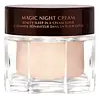 Key Ingredients
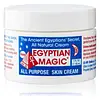
No key ingredients
Benefits
Concerns
Ingredients Side-by-side
Glycerin
Humectant


Water
Skin ConditioningRicinus Communis Seed Oil
Masking


Caprylic/Capric Triglyceride
Masking
Sucrose Stearate
EmollientEthylhexyl Stearate
Emollient

Olus Oil
Emollient
Dipentaerythrityl Hexacaprylate/Hexacaprate
EmulsifyingHydroxystearic/Linolenic/Oleic Polyglycerides
EmollientC20-40 Alcohols
EmulsifyingIsodecyl Neopentanoate
EmollientButylene Glycol
Humectant
Phenoxyethanol
Preservative
Microcrystalline Cellulose
AbsorbentCera Alba
Emollient
Polysorbate 20
Emulsifying
Ethylhexylglycerin
Skin ConditioningChlorphenesin
Antimicrobial
Cellulose Gum
Emulsion StabilisingParfum
Masking


CI 77891
Cosmetic ColorantXanthan Gum
EmulsifyingHydroxypropyl Cyclodextrin
MaskingChondrus Crispus Extract
Skin Conditioning
Squalane
Emollient
Helianthus Annuus Seed Oil
Emollient
PEG-8
HumectantCaramel
Cosmetic ColorantTocopherol
Antioxidant



Retinol
Skin Conditioning




Daphne Odora Callus Extract
Skin ProtectingAscorbyl Palmitate
Antioxidant
Nicotiana Sylvestris Leaf Cell Culture
Skin ConditioningPlumeria Rubra Flower Extract
Skin ConditioningCI 15985
Cosmetic ColorantUbiquinone
Antioxidant
Lecithin
Emollient
CI 19140
Cosmetic ColorantAscorbic Acid
Antioxidant
Citric Acid
Buffering
CI 17200
Cosmetic ColorantAscorbyl Tetraisopalmitate
Antioxidant
Benzoic Acid
Masking
Hexyl Cinnamal
Perfuming

Benzyl Benzoate
Antimicrobial
Linalool
Perfuming
Hydroxycitronellal
Perfuming
Cinnamyl Alcohol
Perfuming
Eugenol
Perfuming
Glycerin, Water, Ricinus Communis Seed Oil, Caprylic/Capric Triglyceride, Sucrose Stearate, Ethylhexyl Stearate, Olus Oil, Dipentaerythrityl Hexacaprylate/Hexacaprate, Hydroxystearic/Linolenic/Oleic Polyglycerides, C20-40 Alcohols, Isodecyl Neopentanoate, Butylene Glycol, Phenoxyethanol, Microcrystalline Cellulose, Cera Alba, Polysorbate 20, Ethylhexylglycerin, Chlorphenesin, Cellulose Gum, Parfum, CI 77891, Xanthan Gum, Hydroxypropyl Cyclodextrin, Chondrus Crispus Extract, Squalane, Helianthus Annuus Seed Oil, PEG-8, Caramel, Tocopherol, Retinol, Daphne Odora Callus Extract, Ascorbyl Palmitate, Nicotiana Sylvestris Leaf Cell Culture, Plumeria Rubra Flower Extract, CI 15985, Ubiquinone, Lecithin, CI 19140, Ascorbic Acid, Citric Acid, CI 17200, Ascorbyl Tetraisopalmitate, Benzoic Acid, Hexyl Cinnamal, Benzyl Benzoate, Linalool, Hydroxycitronellal, Cinnamyl Alcohol, Eugenol

Reviews
Ingredients Explained
These ingredients are found in both products.
Ingredients higher up in an ingredient list are typically present in a larger amount.
Cera alba is beeswax, or the wax used by bees to make honeycombs. It is a texture-enhancer and emollient. A study from 2003 found beeswax to be a stronger emollient than ingredients such as petroleum jelly.
As an emollient, beeswax helps hydrate the skin by creating a barrier on top. This barrier traps moisture in.
Emulsifiers help prevent ingredients from separating. This helps create consistent texture.
The structure of beeswax is mainly long-chain alcohols and the esters of fatty acids.
There are three types of beeswax: yellow, white, and absolute. Yellow is pure beeswax taken from the honeycomb. White beeswax is created by filtering or bleaching yellow beeswax. Absolute beeswax is created by treating beeswax with alcohol. Beeswax used in cosmetics are purified.
Beeswax has been used throughout history and even in prehistoric times. Some common uses for beeswax still used today are making candles, as a waterproofing agent, and polish for leather.
Learn more about Cera Alba
