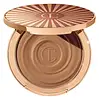
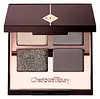
Charlotte Tilbury Beautiful Skin Sun-Kissed Glow Bronzer Versus Charlotte Tilbury Luxury Eyeshadow Palette

What's inside
What's inside
 Key Ingredients
Benefits
Concerns
Ingredients Side-by-side
Dimethicone
Emollient

Triethylhexanoin
MaskingCeresin
Emulsion StabilisingPolymethylsilsesquioxane
Dimethicone Crosspolymer
Emulsion Stabilising
Trimethylsiloxysilicate
Emollient
Polyethylene
Abrasive

Dimethicone/Polyglycerin-3 Crosspolymer
Cleansing
Silica
Abrasive

Mica
Cosmetic Colorant7-Dehydrocholesterol
Emulsion StabilisingC10-18 Triglycerides
Emollient

Sodium Hyaluronate
Humectant




Triolein
Skin Conditioning
Glyceryl Dioleate
Emollient
Dipropylene Glycol
HumectantSodium Citrate
BufferingTocopherol
Antioxidant



CI 77891
Cosmetic ColorantIron Oxides
Dimethicone, Triethylhexanoin, Ceresin, Polymethylsilsesquioxane, Dimethicone Crosspolymer, Trimethylsiloxysilicate, Polyethylene, Dimethicone/Polyglycerin-3 Crosspolymer, Silica, Mica, 7-Dehydrocholesterol, C10-18 Triglycerides, Sodium Hyaluronate, Triolein, Glyceryl Dioleate, Dipropylene Glycol, Sodium Citrate, Tocopherol, CI 77891, Iron Oxides
Talc
Abrasive
Mica
Cosmetic ColorantCalcium Sodium Borosilicate
Octyldodecyl Stearoyl Stearate
Emollient
Dimethicone
Emollient
Zinc Stearate
Cosmetic ColorantCalcium Aluminum Borosilicate
Diisostearyl Malate
EmollientCaprylic/Capric Triglyceride
Masking
Zea Mays Starch
Absorbent
Silica
Abrasive
Hydrogenated Castor Oil Hydroxystearate
Skin Conditioning
Pentaerythrityl Tetraisostearate
Emollient
Potassium Sorbate
Preservative
Chlorphenesin
Antimicrobial
Polyethylene
Abrasive
Isononyl Isononanoate
Emollient1,2-Hexanediol
Skin Conditioning
Caprylyl Glycol
Emollient
Tin Oxide
Abrasive
Caprylyl Methicone
Skin Conditioning
Tetrasodium EDTA
ChelatingZeolite
AbsorbentDimethiconol
Emollient
Sorbic Acid
Preservative
Methylparaben
Preservative

Propylparaben
Preservative
Butylparaben
Masking
BHT
Antioxidant
Trimethylsiloxysilicate
Emollient
Ultramarines
CI 77007
Cosmetic ColorantCI 75470
Cosmetic ColorantCI 77510
Cosmetic ColorantBlue 1 Lake
Cosmetic ColorantCI 42090
Cosmetic ColorantTitanium Dioxide
Cosmetic Colorant
CI 77891
Cosmetic ColorantCI 77742
Cosmetic ColorantIron Oxides
CI 77492
Cosmetic ColorantCI 77499
Cosmetic ColorantCI 77491
Cosmetic ColorantTalc, Mica, Calcium Sodium Borosilicate, Octyldodecyl Stearoyl Stearate, Dimethicone, Zinc Stearate, Calcium Aluminum Borosilicate, Diisostearyl Malate, Caprylic/Capric Triglyceride, Zea Mays Starch, Silica, Hydrogenated Castor Oil Hydroxystearate, Pentaerythrityl Tetraisostearate, Potassium Sorbate, Chlorphenesin, Polyethylene, Isononyl Isononanoate, 1,2-Hexanediol, Caprylyl Glycol, Tin Oxide, Caprylyl Methicone, Tetrasodium EDTA, Zeolite, Dimethiconol, Sorbic Acid, Methylparaben, Propylparaben, Butylparaben, BHT, Trimethylsiloxysilicate, Ultramarines, CI 77007, CI 75470, CI 77510, Blue 1 Lake, CI 42090, Titanium Dioxide, CI 77891, CI 77742, Iron Oxides, CI 77492, CI 77499, CI 77491
Reviews
Ingredients Explained
These ingredients are found in both products.
Ingredients higher up in an ingredient list are typically present in a larger amount.
Ci 77891 is a white pigment from Titanium dioxide. It is naturally found in minerals such as rutile and ilmenite.
It's main function is to add a white color to cosmetics. It can also be mixed with other colors to create different shades.
Ci 77891 is commonly found in sunscreens due to its ability to block UV rays.
Learn more about CI 77891Dimethicone is a type of synthetic silicone created from natural materials such as quartz. It is also known as polydimethylsiloxane.
What it does:
Dimethicone comes in different viscosities:
Depending on the viscosity, dimethicone has different properties.
Ingredients lists don't always show which type is used, so we recommend reaching out to the brand if you have questions about the viscosity.
This ingredient is unlikely to cause irritation because it does not get absorbed into skin. However, people with silicone allergies should be careful about using this ingredient.
Note: Dimethicone may contribute to pilling. This is because it is not oil or water soluble, so pilling may occur when layered with products. When mixed with heavy oils in a formula, the outcome is also quite greasy.
Learn more about DimethiconeMica is a naturally occurring mineral used to add shimmer and color in cosmetics. It can also help improve the texture of a product or give it an opaque, white/silver color.
Serecite is the name for very fine but ragged grains of mica.
This ingredient is often coated with metal oxides like titanium dioxide. Trace amounts of heavy metals may be found in mica, but these metals are not harmful in our personal products.
Mica has been used since prehistoric times throughout the world. Ancient Egyptian, Indian, Greek, Roman, Aztec, and Chinese civilizations have used mica.
Learn more about MicaPolyethylene is a synthetic ingredient that helps the skin retain moisture. It is a polymer.
It is also typically used within product formulations to help bind solid ingredients together and thicken oil-based ingredients. When added to balms and emulsions, it helps increase the melting point temperature.
Silica, also known as silicon dioxide, is a naturally occurring mineral. It is used as a fine, spherical, and porous powder in cosmetics.
Though it has exfoliant properties, the function of silica varies depending on the product.
The unique structure of silica enhances the spreadability and adds smoothness, making it a great texture enhancer.
It is also used as an active carrier, emulsifier, and mattifier due to its ability to absorb excess oil.
In some products, tiny microneedles called spicules are made from silica or hydrolyzed sponge. When you rub them in, they lightly polish away dead skin layers and enhance the penetration of active ingredients.
Learn more about SilicaThis silicone is an emollient. Emollients create a thin film on the skin to prevent moisture from escaping.
It is not soluble in water and helps increase water-resistance in products.
According to a manufacturer, it can blend seamlessly with silicone oils, such as Cyclopentasiloxane.
Learn more about TrimethylsiloxysilicateThis ingredient is a combination of red, black, and yellow iron oxide pigments. This combination of colors is usually found in foundation, because it results in a "skin" color.
The EU typically uses CI numbers for colorants when applicable, such as CI 77489. In the US, iron oxides are regulated as color additives and "iron oxides" is the most commonly used name in US cosmetic practice.
A 2021 paper looked at skincare formulations containing iron oxides and found that they reduced transmission of blue light when measured optically. In simple terms, the pigment particles helped block or scatter part of the visible light spectrum in lab testing and the authors suggest this could translate into better protection against blue-light-related skin effects.
There is also clinical and experimental research showing that tinted products containing iron oxides can reduce visible light-induced pigmentation:
Please note, whether a product reduces visible or blue light depends on things like:
In the EU's CosIng database, iron oxides are only listed as a colorant. CosIng groups ingredients by their main cosmetic role, such as colorant, preservative, or UV filter.
Though studies say iron oxides can "attenuate blue light", they're describing an optical property and not an officially recognized cosmetic function.
So CosIng isn’t contradicting the research. It’s just classifying iron oxides by what they officially are: pigments that add color.
Learn more about Iron Oxides

