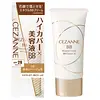
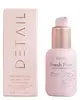
Cezanne Mineral Cover BB Cream N SPF 29 Versus Detail Cosmetics Fresh Filter Natural Finish Foundation


What's inside
What's inside
 Key Ingredients
Benefits
Concerns
Ingredients Side-by-side
Water
Skin ConditioningCyclopentasiloxane
Emollient
Isotridecyl Isononanoate
EmollientButylene Glycol
Humectant

PEG-9 Polydimethylsiloxyethyl Dimethicone
Emulsifying
Glycerin
Humectant
Pentylene Glycol
Skin Conditioning
Dimethicone
Emollient
Diphenylsiloxy Phenyl Trimethicone
Skin Conditioning
Magnesium Sulfate
Aluminum Hydroxide
EmollientSilica Dimethyl Silylate
EmollientVinyl Dimethicone/Methicone Silsesquioxane Crosspolymer

Sorbitan Sesquiisostearate
Emulsifying

Phenoxyethanol
Preservative
Diisostearyl Malate
EmollientDisodium Stearoyl Glutamate
CleansingStearic Acid
Cleansing
Acrylates/Dimethicone Copolymer
Skin Conditioning
Dimethicone/PEG-10/15 Crosspolymer
Tocopherol
Antioxidant





Squalane
Emollient
Lactobacillus
Skin ConditioningCitrus Reticulata Peel Extract
Skin ConditioningSaxifraga Sarmentosa Extract
Skin ConditioningPassiflora Edulis Fruit Extract
Skin ConditioningSodium Hyaluronate
Humectant
Geranium Robertianum Extract
AstringentVitis Vinifera Leaf Extract
Skin ConditioningThymus Serpyllum Extract
Skin ConditioningVaccinium Myrtillus Leaf Extract
AstringentPiper Longum Fruit Extract
MaskingPlantago Major Seed Extract
Skin ConditioningTitanium Dioxide
Cosmetic Colorant

Iron Oxides
Mica
Cosmetic ColorantWater, Cyclopentasiloxane, Isotridecyl Isononanoate, Butylene Glycol, PEG-9 Polydimethylsiloxyethyl Dimethicone, Glycerin, Pentylene Glycol, Dimethicone, Diphenylsiloxy Phenyl Trimethicone, Magnesium Sulfate, Aluminum Hydroxide, Silica Dimethyl Silylate, Vinyl Dimethicone/Methicone Silsesquioxane Crosspolymer, Sorbitan Sesquiisostearate, Phenoxyethanol, Diisostearyl Malate, Disodium Stearoyl Glutamate, Stearic Acid, Acrylates/Dimethicone Copolymer, Dimethicone/PEG-10/15 Crosspolymer, Tocopherol, Squalane, Lactobacillus, Citrus Reticulata Peel Extract, Saxifraga Sarmentosa Extract, Passiflora Edulis Fruit Extract, Sodium Hyaluronate, Geranium Robertianum Extract, Vitis Vinifera Leaf Extract, Thymus Serpyllum Extract, Vaccinium Myrtillus Leaf Extract, Piper Longum Fruit Extract, Plantago Major Seed Extract, Titanium Dioxide, Iron Oxides, Mica
Rosa Rugosa Flower Water
Masking
Cyclopentasiloxane
Emollient
Caprylic/Capric Triglyceride
Masking
Dimethicone
Emollient
PEG-8 Dimethicone
Emulsifying
Glycereth-12
HumectantTrimethylsiloxysilicate
Emollient
Silica
Abrasive

Phenyl Trimethicone
Skin Conditioning
PEG-10 Dimethicone
Skin Conditioning
Betaine
Humectant
Magnesium Stearate
Cosmetic ColorantMagnesium Sulfate
Tremella Fuciformis Polysaccharide
Emulsion Stabilising
Diazolidinyl Urea
Preservative

Centella Asiatica Extract
Cleansing
Tocopheryl Acetate
Antioxidant
Sodium Hyaluronate
Humectant
Niacinamide
Smoothing

CI 77891
Cosmetic ColorantCI 77492
Cosmetic ColorantCI 77491
Cosmetic ColorantCI 77499
Cosmetic ColorantRosa Rugosa Flower Water, Cyclopentasiloxane, Caprylic/Capric Triglyceride, Dimethicone, PEG-8 Dimethicone, Glycereth-12, Trimethylsiloxysilicate, Silica, Phenyl Trimethicone, PEG-10 Dimethicone, Betaine, Magnesium Stearate, Magnesium Sulfate, Tremella Fuciformis Polysaccharide, Diazolidinyl Urea, Centella Asiatica Extract, Tocopheryl Acetate, Sodium Hyaluronate, Niacinamide, CI 77891, CI 77492, CI 77491, CI 77499
Reviews
Ingredients Explained
These ingredients are found in both products.
Ingredients higher up in an ingredient list are typically present in a larger amount.
Cyclopentasiloxane (D5) is a lightweight silicone that mostly acts as an emollient and solvent in cosmetics. Its the reason your products feel silky, fast-spreading, and non-greasy.
Since D5 is volatile, it does its thing and then evaporates off the skin quickly.
The safety profile of this ingredient is reassuring; the US CIR Expert Panel concluded D5 is safe as used in cosmetics and Health Canada concluded that D5 is not harmful to human health or the environment as currently used in cosmetics
There's a study that people mention about D5 in a rat study showing tumors. This study is related to long-term inhalation of high D5 levels.
Regulatory bodies have judged this study to be not applicable in topical skincare since skin absorption of D5 is very low and we're not really inhaling huge amounts of D5.
The only restriction for this ingredient is environmental. The European Chemicals Agency (ECHA) restricted D5 in wash-off cosmetics at or above 0.1% due to their persistence in water.
Learn more about CyclopentasiloxaneDimethicone is a type of synthetic silicone created from natural materials such as quartz. It is also known as polydimethylsiloxane.
What it does:
Dimethicone comes in different viscosities:
Depending on the viscosity, dimethicone has different properties.
Ingredients lists don't always show which type is used, so we recommend reaching out to the brand if you have questions about the viscosity.
This ingredient is unlikely to cause irritation because it does not get absorbed into skin. However, people with silicone allergies should be careful about using this ingredient.
Note: Dimethicone may contribute to pilling. This is because it is not oil or water soluble, so pilling may occur when layered with products. When mixed with heavy oils in a formula, the outcome is also quite greasy.
Learn more about DimethiconeMagnesium Sulfate is a salt. More specifically, it is an epsom salt, or the bath salt used to help relieve muscle aches.
Despite having ‘sulfate’ in the name, it isn’t a surfactant or cleansing agent like sodium lauryl sulfate. Unlike those sulfates, magnesium sulfate doesn’t have the same cleansing or foaming properties (it's simply a type of salt).
In cosmetics, Magnesium Sulfate is used to thicken a product or help dilute other solids. It is a non-reactive and non-irritating ingredient.
One study shows magnesium deficiency may lead to inflammation of the skin. Applying magnesium topically may help reduce inflammation.
You can find this ingredient in sea water or mineral deposits.
Learn more about Magnesium SulfateSodium Hyaluronate is the salt form of hyaluronic acid. It is a long sugar chain that is naturally found in your skin, joints, and connective tissue that maintains hydration and elasticity.
In skincare, it works as a humectant. It pulls water from the environment and deeper layers of skin and binds it to the surface.
Interestingly, the size of the molecule affects its behavior:
Some clinical evidence links low molecular weight versions to improved wrinkle depth, elasticity, anti-inflammatory effects, and barrier repair.
Many serums use a blend of both weights so you can get surface hydration plus longer-lasting and deeper effects.
You'll typically see concentrations between 0.1-2% for this ingredient.
Learn more about Sodium Hyaluronate

