
What's inside
What's inside
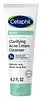 Key Ingredients
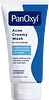
Benefits
Concerns
Ingredients Side-by-side
Water
Skin ConditioningCocamidopropyl Betaine
Cleansing


Distearyl Phthalic Acid Amide
EmollientSodium Methyl Cocoyl Taurate
Cleansing
Sodium Chloride
MaskingCetyl Alcohol
Emollient

Stearyl Alcohol
Emollient
PEG-120 Methyl Glucose Dioleate
Emulsifying
Phenoxyethanol
Preservative
Sodium Hydroxide
BufferingCaprylyl Glycol
Emollient
Ethylhexylglycerin
Skin ConditioningHexylene Glycol
EmulsifyingDisodium EDTA
Isopropyl Alcohol
Solvent


Aloe Barbadensis Leaf Juice
Skin Conditioning


Butylene Glycol
Humectant
Camellia Sinensis Leaf Extract
Antimicrobial




Water, Cocamidopropyl Betaine, Distearyl Phthalic Acid Amide, Sodium Methyl Cocoyl Taurate, Sodium Chloride, Cetyl Alcohol, Stearyl Alcohol, PEG-120 Methyl Glucose Dioleate, Phenoxyethanol, Sodium Hydroxide, Caprylyl Glycol, Ethylhexylglycerin, Hexylene Glycol, Disodium EDTA, Isopropyl Alcohol, Aloe Barbadensis Leaf Juice, Butylene Glycol, Camellia Sinensis Leaf Extract
Benzoyl Peroxide 4%

Carbomer
Emulsion StabilisingDecyl Glucoside
Cleansing
Dimethicone
Emollient

Diethylhexyl Sodium Sulfosuccinate
CleansingGlycerin
Humectant
Palmitic Acid
Emollient
Polyacrylate Crosspolymer-6
Emulsion StabilisingPEG-40 Stearate
Emulsifying
Propanediol
Solvent
Water
Skin ConditioningSilica
Abrasive
Sodium Chloride
MaskingSodium Citrate
BufferingSodium Hydroxide
BufferingSodium Laurylglucosides Hydroxypropylsulfonate
CleansingSorbitan Stearate
Emulsifying
Sorbitol
Humectant
Stearic Acid
Cleansing
T-Butyl Alcohol
Perfuming
Xanthan Gum
EmulsifyingBenzoyl Peroxide 4%, Carbomer, Decyl Glucoside, Dimethicone, Diethylhexyl Sodium Sulfosuccinate, Glycerin, Palmitic Acid, Polyacrylate Crosspolymer-6, PEG-40 Stearate, Propanediol, Water, Silica, Sodium Chloride, Sodium Citrate, Sodium Hydroxide, Sodium Laurylglucosides Hydroxypropylsulfonate, Sorbitan Stearate, Sorbitol, Stearic Acid, T-Butyl Alcohol, Xanthan Gum
Reviews
Ingredients Explained
These ingredients are found in both products.
Ingredients higher up in an ingredient list are typically present in a larger amount.
Chances are, you eat sodium chloride every day. Sodium Chloride is also known as table salt. This ingredient has many purposes in skincare: thickener, emulsifier, and exfoliator.
You'll most likely find this ingredient in cleansers where it is used to create a gel-like texture. As an emulsifier, it also prevents ingredients from separating.
You might see people debate whether Sodium Chloride is comedogenic, but there actually haven't been any comedogenic tests done on it. Either way, the overall formulation of a product matters a lot more than any single ingredient.
You might see this ingredient used in scrubs as a primary exfoliating ingredient.
Learn more about Sodium ChlorideSodium Hydroxide is also known as lye or caustic soda. It is used to adjust the pH of products; many ingredients require a specific pH to be effective.
In small amounts, sodium hydroxide is considered safe to use. However, large amounts may cause chemical burns due to its high alkaline.
Your skin has a natural pH and acid mantle. This acid mantle helps prevent harmful bacteria from breaking through. The acid mantle also helps keep your skin hydrated.
"Alkaline" refers to a high pH level. A low pH level would be considered acidic.
Learn more about Sodium HydroxideWater. It's the most common cosmetic ingredient of all. You'll usually see it at the top of ingredient lists, meaning that it makes up the largest part of the product.
So why is it so popular? Water most often acts as a solvent - this means that it helps dissolve other ingredients into the formulation.
You'll also recognize water as that liquid we all need to stay alive. If you see this, drink a glass of water. Remember to stay hydrated!
Learn more about Water
